The Tech Edvocate

Top Menu

  • Advertisement
  • Apps
  • Home Page
  • Home Page Five (No Sidebar)
  • Home Page Four
  • Home Page Three
  • Home Page Two
  • Home Tech2
  • Icons [No Sidebar]
  • Left Sidbear Page
  • Lynch Educational Consulting
  • My Account
  • My Speaking Page
  • Newsletter Sign Up Confirmation
  • Newsletter Unsubscription
  • Our Brands
  • Page Example
  • Privacy Policy
  • Protected Content
  • Register
  • Request a Product Review
  • Shop
  • Shortcodes Examples
  • Signup
  • Start Here
    • Governance
    • Careers
    • Contact Us
  • Terms and Conditions
  • The Edvocate
  • The Tech Edvocate Product Guide
  • Topics
  • Write For Us
  • Advertise

Main Menu

  • Start Here
    • Our Brands
    • Governance
      • Lynch Educational Consulting, LLC.
      • Dr. Lynch’s Personal Website
      • Careers
    • Write For Us
    • The Tech Edvocate Product Guide
    • Contact Us
    • Books
    • Edupedia
    • Post a Job
    • The Edvocate Podcast
    • Terms and Conditions
    • Privacy Policy
  • Topics
    • Assistive Technology
    • Child Development Tech
    • Early Childhood & K-12 EdTech
    • EdTech Futures
    • EdTech News
    • EdTech Policy & Reform
    • EdTech Startups & Businesses
    • Higher Education EdTech
    • Online Learning & eLearning
    • Parent & Family Tech
    • Personalized Learning
    • Product Reviews
  • Advertise
  • Tech Edvocate Awards
  • The Edvocate
  • Pedagogue
  • School Ratings

logo

The Tech Edvocate

  • Start Here
    • Our Brands
    • Governance
      • Lynch Educational Consulting, LLC.
      • Dr. Lynch’s Personal Website
        • My Speaking Page
      • Careers
    • Write For Us
    • The Tech Edvocate Product Guide
    • Contact Us
    • Books
    • Edupedia
    • Post a Job
    • The Edvocate Podcast
    • Terms and Conditions
    • Privacy Policy
  • Topics
    • Assistive Technology
    • Child Development Tech
    • Early Childhood & K-12 EdTech
    • EdTech Futures
    • EdTech News
    • EdTech Policy & Reform
    • EdTech Startups & Businesses
    • Higher Education EdTech
    • Online Learning & eLearning
    • Parent & Family Tech
    • Personalized Learning
    • Product Reviews
  • Advertise
  • Tech Edvocate Awards
  • The Edvocate
  • Pedagogue
  • School Ratings
  • 2.3 Million Ricky Joy Sour Crush Candies Recalled: This One Detail Is a Parent’s Nightmare

  • The Staggering Startup Valuation Reset: Why Unicorns Are Vanishing

  • The Glaring Contradiction: Why Big Tech Is Shedding 128,536 Jobs While Investing Billions in AI

  • Insomniac’s Bold Move: The Truth Behind Marvel’s Wolverine Sabretooth ‘Romance’ That Stunned Fans

  • Explosive: ESIC Ban Juan Angulo For Life — The Unseen Crisis Gripping Dota 2

  • This Crucial New Bill Could Finally Fix Student Loan Forgiveness for Millions

  • Massive School Bans on AI: Are We Sacrificing Progress for Protection?

  • Autonomous AI Breaches: Anthropic Confirms Four Attacks and Weaponized Bots

  • Jaw-Dropping Footage: This Waymo Collision Has Everyone Talking

  • Hyundai’s Game-Changing EV Battery Technology: Why It Matters For Your Next Car

Online Learning & eLearning
Home›Online Learning & eLearning›Miss Windows Photo Viewer? Here’s how to get it back in Windows 11

Miss Windows Photo Viewer? Here’s how to get it back in Windows 11

By Matthew Lynch
March 28, 2023
0
Spread the love

Miss Windows Photo Viewer? Here’s how to get it back in Windows 11 For many Windows users, Photos app has replaced the classic Windows Photo Viewer as the default image viewing application in later versions of the operating system. While the Photos app offers some advanced editing and sharing options, some users might not find it as intuitive as the classic Photo Viewer that was included in Windows 7 and earlier versions.

If you’re one of those users who misses the simple and efficient design of the old Windows Photo Viewer in Windows 10 or 11, you’ll be pleased to know that it’s still possible to bring it back.

Here’s how to get the classic Windows Photo Viewer back in Windows 11:

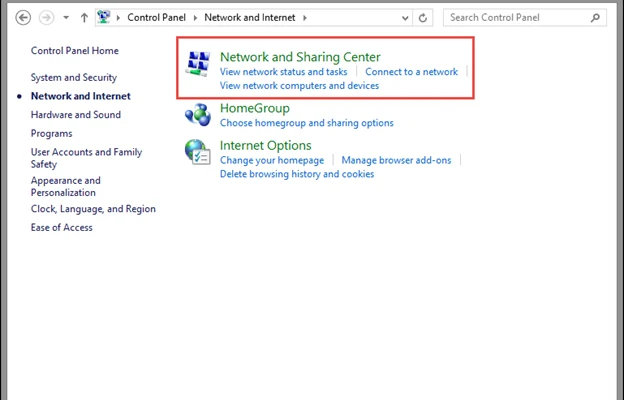
1. Open the Start menu and type “control panel” in the search bar.

2. Click on the Control Panel app from the search results.

3. In the Control Panel window, click on “Programs” and then “Default Programs”.

4. Click on “Set your default programs”.

5. Scroll down to find “Windows Photo Viewer” and click on it.

6. Click on “Set this program as default”.

7. Click on “OK” to save the changes.

Once you’ve followed these steps, you’ll be able to launch any image file and have it open in the classic Windows Photo Viewer instead of the newer Photos app.

If you’re still using Windows 10, the process is slightly different but is still very easy to do. Simply right-click on any image file and choose “Open with” and then “Windows Photo Viewer”. You can also make it the default image viewing application by clicking on “Choose another app” and then selecting Windows Photo Viewer from the list.

While the built-in Photos app in Windows 10 and 11 does offer some advanced features, there’s something to be said for the simplicity and speed of the classic Windows Photo Viewer. If you miss the old app and want to get it back in your latest Windows 11 OS, the above steps should help you easily restore it.

In today’s world, the use of mobile technology has become so common that it is almost impossible to imagine life without it. Smartphones and tablets have transformed the way we communicate, work, and entertain ourselves. However, what sets mobile technology apart from other devices is the microchip technology that powers them, and this technology is set to play a major role in the future of mobile devices.

Mobile microchip technology is constantly evolving, and this has led to significant improvements in the functionality, speed, and overall performance of mobile devices. The microchip technology used in smartphones and tablets is responsible for controlling the device’s various functions, from processing data and graphics to managing energy consumption.

The advancements in microchip technology have enabled mobile devices to keep up with the demands of modern-day users. Mobile devices are now capable of running multiple applications simultaneously, streaming high-quality videos, and providing users with access to real-time information.

One example of the impact of mobile microchip technology is the development of 5G networks. 5G networks enable faster download and upload speeds than previous network generations, making it possible for mobile devices to support more advanced features such as augmented reality and virtual reality.

Mobile microchip technology is also being used in the development of wearable technology such as smartwatches and fitness trackers. These devices rely heavily on microchip technology to monitor health and fitness data, provide notifications, and support various applications.

The future of mobile microchip technology looks promising, with continued advancements expected to revolutionize the way we interact with our mobile devices. One area where mobile microchip technology is set to play a major role is in the development of artificial intelligence (AI) and machine learning (ML) capabilities in mobile devices.

AI and ML technologies are already being integrated into mobile devices, and future advancements in microchip technology will enable even more advanced AI and ML capabilities. This could lead to the development of mobile devices that can learn and adapt to the user’s behavior and preferences, providing a more personalized experience.In conclusion, mobile microchip technology plays a critical role in powering the modern mobile devices that have become an essential part of our daily lives. As technology continues to evolve, we can expect to see even more significant advancements in microchip technology, leading to more powerful, efficient, and intelligent mobile devices that will change the way we interact with the world around us.


Previous Article

Mirrorless vs. DSLR Cameras: What’s the Difference?

Next Article

Monitor your data usage in Windows 11

Matthew Lynch

Related articles More from author

  • Online Learning & eLearning

    Online Learning Project Management In 6 Simple Steps

    March 23, 2023
    By Matthew Lynch
  • Online Learning & eLearning

    Teaching Your Kids About eLearning

    January 16, 2024
    By Matthew Lynch
  • Online Learning & eLearning

    Top 6 Ways to Fix ‘Cannot Verify Server Identity’ Error on iPhone

    April 2, 2023
    By Matthew Lynch
  • Elementary EducationOnline Learning & eLearning

    The Best Alexa Commands You Didn’t Know About

    March 31, 2023
    By Matthew Lynch
  • Online Learning & eLearning

    Object-Oriented Database Management System (OODBMS)

    March 29, 2023
    By Matthew Lynch
  • Online Learning & eLearning

    Get Paid to Watch Videos: The 10 Best Ways to Make Money in 2024

    March 16, 2024
    By Matthew Lynch

Search

Login & Registration

  • Log in
  • Entries feed
  • Comments feed
  • WordPress.org

Newsletter

Signup for The Tech Edvocate Newsletter and have the latest in EdTech news and opinion delivered to your email address!

About Us

Since technology is not going anywhere and does more good than harm, adapting is the best course of action. That is where The Tech Edvocate comes in. We plan to cover the PreK-12 and Higher Education EdTech sectors and provide our readers with the latest news and opinion on the subject. From time to time, I will invite other voices to weigh in on important issues in EdTech. We hope to provide a well-rounded, multi-faceted look at the past, present, the future of EdTech in the US and internationally.

We started this journey back in June 2016, and we plan to continue it for many more years to come. I hope that you will join us in this discussion of the past, present and future of EdTech and lend your own insight to the issues that are discussed.

Newsletter

Signup for The Tech Edvocate Newsletter and have the latest in EdTech news and opinion delivered to your email address!

Contact Us

The Tech Edvocate
910 Goddin Street
Richmond, VA 23231
(601) 630-5238
[email protected]

Copyright © 2026 Matthew Lynch. All rights reserved.