Minecraft: The Indie Phenomenon That Conquered the World
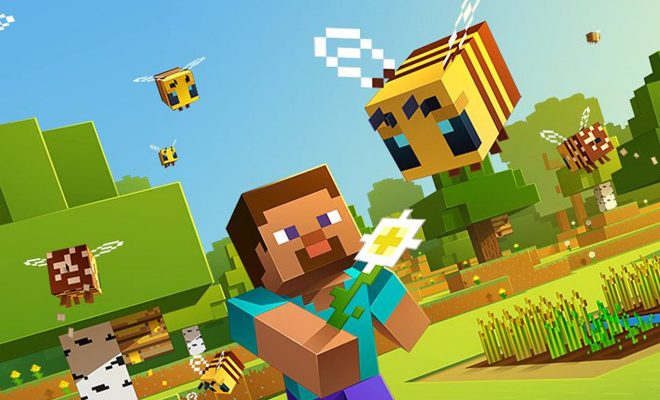
The rollout of Minecraft stands as one of the most unique and organic in video game history. Unlike the big-budget marketing campaigns of AAA titles, Minecraft’s rise to global dominance was driven largely by community engagement and word-of-mouth promotion.
Minecraft began its life in 2009 as a pet project by Swedish programmer Markus “Notch” Persson. The initial “rollout” was simply Persson sharing an early version of the game on a programming forum. This humble beginning would set the tone for Minecraft’s entire development and marketing strategy.
What made Minecraft’s rollout so effective was its embrace of the “release early, release often” philosophy. Persson made the alpha version of the game available for purchase in 2009, long before it was complete. This allowed early adopters to play the game and provide feedback, creating a sense of ownership and investment in the game’s development.
As the game evolved, so did its community. Players began sharing their creations online, creating tutorials, and developing mods that expanded the game’s functionality. This user-generated content became a crucial part of Minecraft’s marketing, showcasing the game’s limitless potential for creativity.
The rollout of Minecraft also benefited greatly from the rise of YouTube and streaming platforms. Content creators found Minecraft to be a perfect subject for videos, whether they were showcasing impressive builds, providing tutorials, or creating narrative-driven content within the game. This organic, community-driven promotion reached audiences that traditional marketing might have missed.
Mojang, the company formed to develop Minecraft, embraced this community-centric approach. They actively engaged with players, incorporated popular mods into official updates, and maintained a development blog that kept the community informed about upcoming features. This transparency and responsiveness fostered a strong sense of loyalty among players.
As Minecraft’s popularity grew, it began to attract attention from educators who saw its potential as a teaching tool. Mojang capitalized on this by creating Minecraft: Education Edition, expanding the game’s reach into classrooms around the world. This move not only opened up new markets but also lent the game additional credibility.
The acquisition of Mojang by Microsoft in 2014 for $2.5 billion marked a new phase in Minecraft’s rollout. With Microsoft’s resources behind it, Minecraft expanded to new platforms and markets. However, Microsoft wisely chose to maintain the community-focused approach that had made the game so successful.
Minecraft’s rollout never really ended; instead, it evolved into an ongoing process of community engagement and continuous development. The game has received regular updates and expansions, each one reigniting interest and bringing players back to the game.
The success of Minecraft’s rollout strategy is evident in its longevity and cultural impact. Over a decade after its initial release, Minecraft remains one of the most popular games in the world, with over 200 million copies sold across all platforms.
The lesson from Minecraft’s rollout is the power of community engagement and iterative development. By involving players in the development process and fostering a strong community, Minecraft created a dedicated fan base that not only purchased the game but became its most effective marketers.