Los Angeles: The New Hub of the Creator Economy in 2026
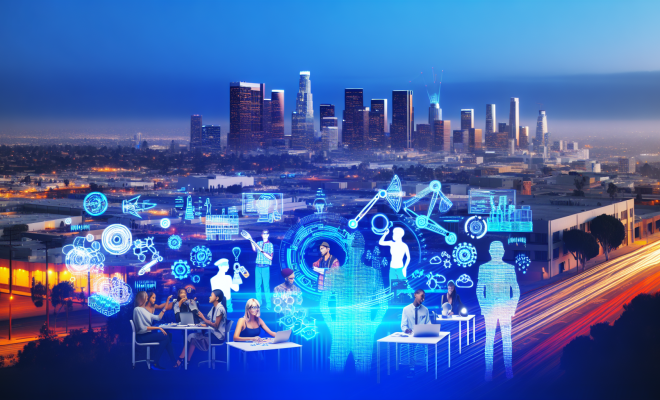
As the digital landscape evolves, Los Angeles is solidifying its status as the epicenter of the creator economy in 2026. With a staggering 171% increase in creator marketing budgets, the city is witnessing an unprecedented surge in opportunities for content creators, influencers, and digital entrepreneurs. This growth is not merely a trend; it represents a significant shift in how brands and creators collaborate, ultimately reshaping the future of marketing.
The Rise of Creator Marketing Budgets
In 2026, businesses are increasingly allocating substantial portions of their marketing budgets to creator partnerships. This shift reflects a broader understanding of the effectiveness of influencer marketing, which has proven to engage audiences more authentically than traditional advertising methods. As brands recognize the value of engaging with creators who have built loyal followings, the financial stakes have risen dramatically.
Infrastructure for Influencers
To support this burgeoning creator economy, major platforms like TikTok, Instagram, and YouTube are enhancing their infrastructure. These platforms are not only improving their algorithms to promote creator content but also providing essential tools and resources that help influencers maximize their reach and engagement.
For instance, TikTok has launched several initiatives designed to empower creators, including enhanced analytics tools and monetization options that allow influencers to earn revenue directly from their content. Similarly, Instagram has rolled out features that enable creators to sell products directly through their profiles, making it easier for brands and influencers to collaborate effectively.
Diversifying Revenue Streams
As the creator economy matures, many influencers are diversifying their revenue streams to reduce reliance on traditional advertising revenue. This diversification is crucial in a competitive landscape where ad revenue can be unpredictable.
- Live Shopping: Creators are increasingly engaging audiences through live shopping events, where they can showcase products and interact with viewers in real-time. This interactive format not only boosts sales but also fosters a sense of community among followers.
- Affiliate Models: Startups like ShopMy and Whatnot offer affiliate marketing platforms that allow creators to earn commissions by promoting products. This model incentivizes influencers to curate their content around specific brands while providing consumers with direct purchasing options.
- AI Tools: Advances in artificial intelligence are revolutionizing content creation. Tools for video editing and virtual influencers are becoming more accessible, allowing creators to produce high-quality content efficiently. This technology not only enhances creativity but also enables influencers to keep pace with the demands of their followers.
Spotify’s Role in the Creator Economy
In addition to visual platforms, Spotify is making significant investments in creator content by expanding its studios in Los Angeles. This expansion is part of a broader strategy to tap into the growing podcast and audio content market, which has become increasingly popular among creators and audiences alike.
As creators flock to Spotify to produce podcasts and audio shows, the platform is also providing valuable resources to help them navigate contracts and intellectual property (IP) issues. Advisors are now available to guide creators through the complexities of content ownership and monetization, ensuring that they can focus on what they do best—creating.
The Competition and New Startups
The competitive landscape of the creator economy is intensifying, with numerous startups emerging to meet the needs of influencers and brands. One notable example is Add2App, a platform that enables quick multi-platform video production. In an environment where time is of the essence, such tools empower creators to produce content that can be shared across various social media channels in a fraction of the time it would traditionally take.
This ability to create and distribute content quickly is a game-changer in an era where trends evolve rapidly. Creators who can adapt and respond to these trends are more likely to succeed in capturing audience attention and maintaining relevance.
Looking Ahead
As we look toward the future, the creator economy in Los Angeles is poised for further growth and innovation. The combination of increasing marketing budgets, enhanced platform infrastructure, and diverse revenue streams is creating an environment ripe for creativity and collaboration.
Ultimately, the success of the creator economy will hinge on the ability of creators to adapt to changing trends while remaining authentic and engaging. Those who can navigate this new landscape will not only thrive but will also redefine the future of content creation and marketing.
In conclusion, Los Angeles is not just a city; it is a new frontier for the creator economy. With the right tools, resources, and support, creators in this vibrant metropolis are set to shape the digital landscape for years to come.