Lorry Drivers Protest Near Paris Over Soaring Fuel Prices in 2026
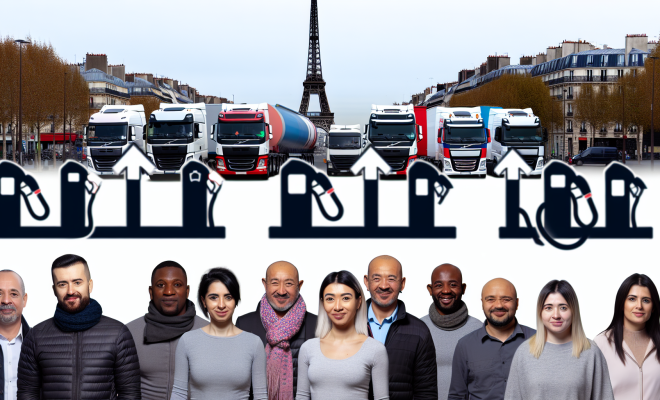
On April 1, 2026, the roads near Paris were transformed into a display of discontent as heavy goods vehicle drivers staged significant protests against soaring fuel prices that are severely impacting the transport sector. This demonstration highlighted the growing frustration among lorry drivers, who are increasingly feeling the pinch of inflated energy costs.
The Scope of the Protests
Protesters formed long lines of lorries, which crawled along major routes surrounding the French capital. Many vehicles bore banners with messages like “lorries stopped – country paralysed,” signaling the disruption caused not only to the transport industry but also to the economy at large.
A Call to Action
The demonstration was organized as a direct response to the alarming rise in fuel prices, which have become a pressing issue for lorry drivers across France. As fuel costs continue to climb, the impact is felt not just by the drivers themselves but also by consumers and businesses that rely on the timely transport of goods.
Economic Implications
The protests underscore the broader economic consequences of rising energy costs. Lorry drivers are warning that continued inflation in fuel prices could lead to elevated transportation costs, which would inevitably trickle down to consumers. This could result in higher prices for goods and services, further straining household budgets.
- Increased operational costs: Many transport companies face shrinking profit margins as they struggle to balance rising fuel costs with the need to remain competitive.
- Potential for job losses: If the situation does not improve, companies may be forced to lay off workers or reduce their fleets.
- Impact on the economy: A paralysed transport sector could lead to delays in supply chains, affecting everything from food supplies to manufacturing.
Government Response
The French government has been monitoring the situation closely, with police deployed to manage traffic and ensure public safety during the protests. Authorities are aware that such demonstrations can escalate if not addressed properly. They have expressed a willingness to engage with transport associations to discuss potential solutions to mitigate the impact of fuel price hikes.
The Broader Context of Fuel Prices
Fuel prices in Europe have been on an upward trajectory, driven by a combination of factors including geopolitical tensions, supply chain disruptions, and global demand fluctuations. The situation has been exacerbated by the ongoing conflict in various regions, leading to concerns over energy security and pricing volatility.
As the war in Ukraine continues to influence global oil markets, many countries are grappling with how to balance energy needs against economic stability. France is not alone in facing such challenges, as other European nations also report similar unrest in the transport sector.
Voices from the Ground
Lorry drivers participating in the protests shared their sentiments about the challenges they face daily. Many expressed frustration over the lack of support from the government, feeling that their voices are often overlooked in policy discussions surrounding fuel and transport regulations.
“We are the backbone of the economy,” said one driver, who wished to remain anonymous. “Without us, goods won’t move, and the country will come to a standstill.” This sentiment was echoed by numerous drivers who participated in the protests, all emphasizing the critical role that transport plays in maintaining economic stability.
Looking Ahead
The protests near Paris may serve as a catalyst for broader discussions about energy pricing and its impact on critical sectors. As the lorry drivers continue to voice their concerns, it raises important questions regarding the sustainability of transport systems in the face of rising costs.
Ultimately, the outcome of these protests may influence future policies aimed at alleviating the burden on transport workers and ensuring the viability of the sector. For now, the protests serve as a stark reminder of the challenges that come with fluctuating fuel prices and the need for a comprehensive approach to energy management and economic resilience.
As discussions continue, one thing remains clear: the voices of lorry drivers are crucial in shaping the dialogue around fuel prices and their repercussions on the economy.