NC Water Utilities Face Mounting Financial Strain in 2024
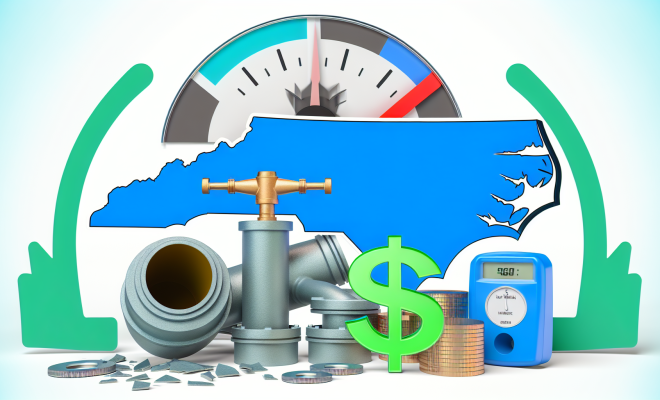
Public water utilities in North Carolina are grappling with significant financial challenges as they navigate aging infrastructure and the urgent need to address contamination issues, particularly from per- and polyfluoroalkyl substances (PFAS). A recent analysis highlights the escalating costs associated with these pressing concerns, prompting experts to call for immediate action to secure the future of clean drinking water in the state.
Aging Infrastructure and the PFAS Crisis
The financial strain on North Carolina’s public water utilities has been exacerbated by the dual challenges of deteriorating infrastructure and stricter regulatory demands. Many systems are still relying on aging pipes and treatment facilities that require substantial investment to update and maintain. A notable example is one water system that has already committed over $80 million to tackle these issues.
The urgency of addressing PFAS contamination has intensified since the Biden Administration implemented a new Environmental Protection Agency (EPA) rule. This regulation mandates that public water systems conduct testing for PFAS within a three-year timeline and comply with set limits within five years. Technologies such as granular activated carbon filters are being explored to meet these standards, but the financial implications are daunting.
National and State-Level Insights
A national analysis conducted by the American Water Works Association emphasizes the need for massive investments in water infrastructure across the country. The report highlights that many utilities are at a breaking point, struggling to finance the necessary upgrades while maintaining affordable service for their customers. In North Carolina, the situation appears particularly dire.
According to a report from the NC Chamber Foundation published in 2025, the state faces a critical funding gap to modernize its water systems. The analysis reveals that public water utilities require billions of dollars to upgrade aging pipes, treatment plants, and to implement new technologies to ensure safe drinking water.
Impact on Small Water Systems
Small water systems, in particular, are feeling the brunt of these financial pressures. Many lack the financial resources or technical expertise needed to comply with new regulations or to upgrade their infrastructure. This vulnerability raises concerns about the long-term viability of these systems and the potential risk to public health if they are unable to provide safe drinking water.
- Limited financial resources: Smaller utilities often operate on tight budgets, making it challenging to allocate funds for necessary upgrades.
- Regulatory compliance: New regulations require significant investments in testing and treatment technologies, which can be particularly burdensome for small systems.
- Public health risks: Inability to address aging infrastructure and PFAS contamination could compromise the safety of drinking water.
Community Responses and Future Prospects
In light of these challenges, communities across North Carolina are beginning to mobilize. Local governments and advocacy groups are raising awareness about the importance of investing in water infrastructure. They are also advocating for state and federal support to help alleviate the financial burden on public water utilities.
Moreover, the urgency to address PFAS contamination has led to increased collaboration between public health officials, environmental organizations, and water utility managers. By working together, these stakeholders aim to develop comprehensive strategies that not only address immediate compliance needs but also pave the way for sustainable long-term solutions.
Government Initiatives and Funding Opportunities
The federal government has begun to recognize the critical state of water utilities and is exploring funding avenues to assist in the necessary upgrades. Programs that provide grants and low-interest loans to water utilities can help alleviate some of the financial pressures they face.
Additionally, the Infrastructure Investment and Jobs Act includes provisions to support water infrastructure projects, providing a potential lifeline for beleaguered utilities. However, experts warn that more sustained investment will be necessary to address the scale of the challenges ahead.
Conclusion
The financial strain on North Carolina’s public water utilities is a complex issue that requires urgent attention. As utilities work to address aging infrastructure and comply with new PFAS regulations, the need for increased investment and collaboration is clear. Without a coordinated effort to secure funding and support, the health and safety of communities relying on these systems could be at risk.
As North Carolina navigates this challenging landscape, it serves as a warning to other states facing similar issues. The time to act is now, and the stakes could not be higher when it comes to ensuring access to safe and clean drinking water for all residents.