Controversial EPA Proposal: Plastic Incinerators May Bypass Clean Air Act
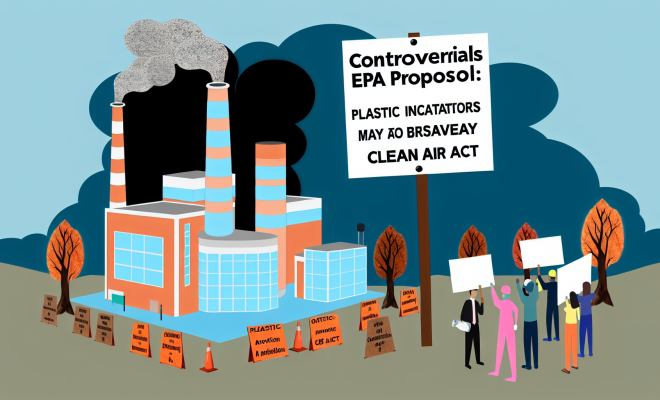
The U.S. Environmental Protection Agency (EPA) is considering a significant regulatory change that could exempt plastic incineration facilities from federal air emission regulations. This proposal could allow pyrolysis plants—often referred to as chemical or advanced recycling facilities—that convert plastic waste into fuel to operate without stringent environmental protections.
The Proposed Regulatory Shift
Under the current framework, pyrolysis plants are subject to the Clean Air Act, which mandates strict air quality standards and pollution controls. However, the EPA has proposed a rule that would remove these federal regulations, effectively leaving the oversight of such facilities to state laws. This shift has raised alarm among environmental advocates, who argue that it could lead to increased air pollution and health risks for nearby communities.
Understanding Pyrolysis Facilities
Pyrolysis is a thermochemical process that breaks down plastic waste at high temperatures in an oxygen-free environment. This method is marketed as a way to recycle plastics by converting them into fuels and other products. Proponents of pyrolysis facilities argue that they can provide a solution to the growing plastic waste crisis while generating energy. However, critics contend that the burning of plastics can release toxic emissions, including dioxins and particulate matter, which pose serious health risks.
Concerns from Environmental Advocates
Critics of the EPA’s proposal include Cynthia Palmer, a representative from Moms Clean Air Force, who calls the plan illegal. She emphasizes that removing air emission regulations for these facilities undermines environmental protections and puts public health at risk. Palmer and others express concerns that without federal oversight, facilities may operate with minimal accountability, leading to increased pollution.
Impact on Public Health and Environment
The implications of this regulatory change could be significant. Without federal mandates, the following issues could arise:
- Increased Air Pollution: Pyrolysis plants may emit harmful pollutants that can exacerbate respiratory conditions and other health issues.
- Lack of Transparency: Without federal reporting requirements, communities may be unaware of the pollution levels in their area.
- Inconsistent State Regulations: The effectiveness of state laws varies widely, leading to potential loopholes that could be exploited by facility operators.
Public health experts have long warned that proximity to industrial facilities—including waste incinerators—can lead to a variety of health problems, particularly in vulnerable populations such as children and the elderly.
Public Response and Upcoming Hearing
The EPA is set to hold a virtual public hearing on the proposed rule on April 6, where stakeholders, including community members, environmental organizations, and industry representatives, will have the opportunity to voice their opinions. Public comment will remain open until May 4, allowing for a period of feedback that could influence the final decision on the regulation.
What’s at Stake
As the EPA considers this proposal, the stakes are high for both environmental policy and public health. The debate encapsulates broader discussions about waste management, energy production, and the role of government in protecting citizens from pollution.
Advocates for stricter regulations argue that the government has a responsibility to prioritize public health and environmental integrity over the interests of the plastic industry. They call for more comprehensive regulations that would require pyrolysis facilities to implement robust pollution control measures and disclose emissions data to the public.
The Future of Plastic Recycling
As the conversation around plastic recycling evolves, it is essential to balance the need for innovative solutions to plastic waste with the imperative to protect human health and the environment. While pyrolysis facilities may offer a method for recycling plastics, the potential for increased pollution cannot be overlooked.
Whether the EPA moves forward with its proposal or opts to maintain strict oversight will likely set a precedent for how similar facilities are regulated in the future. The outcome of this decision will have lasting implications for environmental policy and public health across the United States.