Iran’s Energy Crisis: Oil Prices Soar Amid Geopolitical Tensions
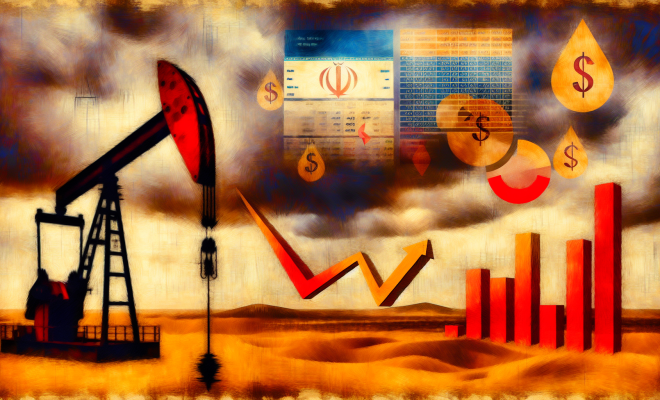
In recent months, the global energy market has been rocked by a series of dramatic developments, with crude oil prices nearing $100 per barrel—a staggering increase of 70% since early January. This surge has sent shockwaves through economies worldwide, raising fears of further inflation and economic instability, particularly as the situation in Iran escalates.
Geopolitical Tensions and Market Reactions
The rise in oil prices has been attributed primarily to escalating tensions involving Iran, particularly concerning the Strait of Hormuz. This critical maritime chokepoint is responsible for approximately 20% of the world’s oil supply, making its security vital for global energy markets. As hostilities have intensified, analysts predict that prices could potentially soar to all-time highs, reaching $150 or more by late March.
Market analysts are closely monitoring the situation, as the threat of a complete closure of the Strait of Hormuz looms large. Such an event would not only disrupt oil flows but could trigger a broader energy crisis, exacerbating inflation rates that are already troubling many economies.
International Response to the Crisis
In response to the soaring prices and the precarious situation in the Middle East, the International Energy Agency (IEA) has decided to intervene by releasing 400 million barrels from strategic reserves. This includes a significant contribution of 172 million barrels from the United States. However, experts caution that this measure may not be enough to stabilize the market in the short term, as it will take at least four months for these reserves to make a meaningful impact.
U.S. President Donald Trump has also announced plans to implement government-backed oil tanker insurance and provide naval escorts to ensure safe passage through the Strait of Hormuz. Energy Secretary Chris Wright has indicated that these escorts could begin by the end of March, while Defense Secretary Pete Hegseth has attempted to downplay concerns surrounding the situation.
Market Skepticism and Economic Consequences
Despite the U.S. government’s efforts to assure stability, market analysts remain skeptical about the effectiveness of these measures. Many believe that the escalating aggression from Iran is likely to overshadow any assurances provided by the White House. The uncertainty surrounding the geopolitical landscape has led to increased volatility in oil prices, contributing to further inflationary pressures across various sectors of the economy.
Inflation Woes
The implications of skyrocketing energy prices extend beyond the oil market. Higher fuel costs have a cascading effect on other sectors, from transportation to manufacturing, ultimately leading to increased prices for consumers. This inflationary environment poses a significant threat to economic recovery efforts in many countries, particularly those still grappling with the aftermath of the COVID-19 pandemic.
- Transportation Costs: As fuel prices rise, the cost of transporting goods increases, leading to higher prices for consumers.
- Manufacturing: Industries reliant on energy for production are faced with increased operational costs, which may be passed on to consumers.
- Consumer Goods: Inflation in energy costs can lead to higher pricing across a range of everyday items, further straining household budgets.
The Path Forward
As the situation in Iran continues to unfold, the global community watches closely, hoping for a resolution that can stabilize both the geopolitical climate and the energy market. The potential for further escalation poses a serious challenge for policymakers, who must navigate the delicate balance between ensuring energy security and addressing domestic economic concerns.
The upcoming months will be critical in determining how the global energy market adapts to these challenges. With uncertainty reigning, stakeholders must remain vigilant and prepared for the potential repercussions of this ongoing crisis.
In conclusion, the current energy crisis, fueled by geopolitical tensions and rising crude oil prices, underscores the interconnectedness of global markets and the profound impact that such disruptions can have on economies and consumers alike. As nations grapple with these challenges, the hope remains that diplomatic efforts can avert further conflict and stabilize the energy landscape.