Mastering Your Walker: A Comprehensive Guide to Mobility
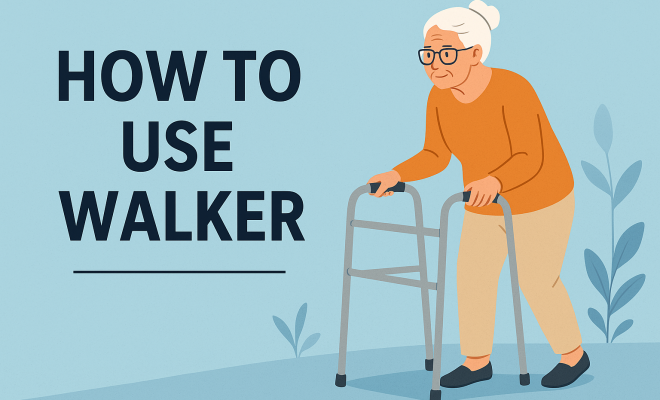
“`html
Using a walker can be a transformative experience for individuals facing mobility challenges. Whether due to age, injury, or illness, learning how to use a walker effectively can enhance independence and improve overall quality of life. In this comprehensive guide, we’ll explore the essentials of using a walker, from choosing the right type to tips for safe navigation around your home and beyond.
1. Understanding the Benefits of a Walker
Walkers provide necessary support for those who may struggle with balance or strength, offering stability to prevent falls. They come in various forms, including standard walkers, wheeled walkers, and rollators, each designed to suit different mobility needs. By distributing weight evenly and providing additional points of contact with the ground, they significantly reduce the risk of falling.
Moreover, using a walker can promote confidence and independence. This added support helps users feel secure enough to engage in daily activities, from grocery shopping to taking leisurely walks in the park. Therefore, knowing how to use a walker correctly is vital for maximizing these benefits.
2. Choosing the Right Walker
Selecting the right walker is crucial for comfort and effectiveness. There are several types available, including:
- Standard Walkers: These have four legs and provide maximum stability. They are ideal for individuals who need substantial support.
- Wheeled Walkers: Featuring two wheels in the front, these allow for easier movement but may not be suitable for those needing maximum stability.
- Rollators: These come with wheels on all four sides and often include a seat and brakes, making them perfect for those who may need to take breaks while walking.
When selecting a walker, consider factors such as height, weight capacity, and the specific mobility challenges faced. A physical therapist can provide further guidance and ensure you choose the right model for your needs.
3. Adjusting Your Walker for Optimal Use
Once you’ve chosen a walker, the next step is proper adjustment. The height of the walker is critical; it should allow you to stand comfortably with your arms relaxed at your sides. Ideally, the handgrips should be at wrist level when your arms are hanging down. This positioning helps maintain good posture and reduces strain on your back and shoulders.
To adjust the height, look for the adjustment buttons or knobs on the walker. Make small changes, trying the walker out after each adjustment to ensure it feels comfortable and stable. Proper fitting can make a significant difference in how effectively you can use the walker.
4. Learning How to Use a Walker Step by Step
Knowing how to use a walker correctly involves several fundamental steps:
- Positioning the Walker: Stand close to the walker, ensuring it’s stable before you begin moving.
- Using Proper Technique: Grip the handles firmly. Shift your weight onto the walker as you take a step forward with your weaker leg, followed by your stronger leg. This motion ensures that you’re always supported.
- Turning and Navigating: For turns, take a small step back and turn your body in the desired direction while moving the walker with you. Always make sure the walker is stable before taking any steps.
Practicing these techniques slowly will build your confidence. It may be beneficial to work with a physical therapist or caregiver during this learning phase.
5. Safety Tips for Walker Use
Safety is paramount when using a walker. Here are some essential tips to keep in mind: (See: CDC on walker safety and use.)
- Clear Your Path: Always ensure the area where you’re walking is free of obstacles, such as rugs or furniture.
- Wear Proper Footwear: Slip-resistant shoes are essential to prevent falls.
- Take It Slow: When you’re getting accustomed to the walker, take your time. Rushing can lead to missteps and falls.
Additionally, it’s wise to practice using the walker in a safe environment, such as your home or a nearby park, before venturing out into more crowded or challenging spaces.
6. Incorporating a Walker into Daily Life
Integrating the walker into your daily routine enhances its utility. Consider using it for various activities such as:
- Household Chores: Use the walker to support yourself while completing tasks like cooking or cleaning.
- Social Activities: Take the walker to social events or gatherings, allowing you to participate comfortably.
- Exercise and Rehabilitation: Walking with a walker can be a part of your physical therapy regimen, helping strengthen your legs over time.
These activities not only aid in physical rehabilitation but also foster a sense of normalcy and independence.
7. Common Mistakes to Avoid
Even with the best intentions, some common mistakes can impede effective walker use. Here are a few to watch out for:
- Using an Unstable Walker: Ensure that the walker is in good condition with all parts secured. A wobbly walker can lead to falls.
- Leaning on the Walker: While the walker is there for support, leaning too heavily can compromise your balance. Always maintain a slight distance.
- Ignoring Discomfort: If using the walker causes pain or discomfort, it’s crucial to reassess its height or consult with a professional.
By avoiding these pitfalls, you can ensure a safer and more effective walking experience.
8. Traveling with a Walker
Traveling can pose unique challenges when using a walker, but with a little preparation, you can navigate new environments. If you plan to use public transportation, check accessibility options ahead of time. Many buses and trains are equipped with features that accommodate mobility aids.
When traveling by car, consider investing in a walker that is lightweight and folds up easily. This will make it easier to transport and store. Always ensure that your walker is secure before you begin your journey, and familiarize yourself with your destination to find accessible routes.
9. When to Seek Professional Help
While many people can effectively use a walker on their own, there are circumstances where seeking professional advice is necessary. If you experience frequent falls, have difficulty adjusting to your walker, or feel persistent pain while using it, consulting with a physical therapist or healthcare professional is advisable.
They can provide personalized guidance and possibly recommend alternative mobility aids or strategies to enhance your walking experience. These professionals can also assess your strength and balance, tailoring exercises to improve your mobility.
10. Tips for Enhancing Your Walker Experience
In addition to understanding the basic functions of using a walker, here are some tips to enhance your overall experience:
- Accessorize Your Walker: Consider adding accessories like a basket or pouch to hold personal items, making it easier to carry essentials while you move.
- Regular Maintenance: Check your walker regularly to ensure it’s in good working condition. Look for cracked parts, loose screws, or worn wheels that could affect performance.
- Practice Maneuvering: Spend time practicing maneuvering your walker in different environments, such as tight spaces or over uneven surfaces, to build confidence.
11. Walker Use Statistics and Trends
Understanding the prevalence and trends in walker use can be enlightening. According to recent studies, the use of walkers has increased by approximately 20% over the past decade, primarily due to the aging population. The Centers for Disease Control and Prevention (CDC) reports that falls are a leading cause of injury among older adults, which has led to increased awareness and adoption of mobility aids.
Furthermore, research indicates that individuals using walkers experience a dramatic reduction in fall-related injuries. A study found that seniors using walkers had a 40% lower risk of fall-related hospitalizations compared to those without mobility aids. (See: NIA guide on walkers for seniors.)
12. Real-Life Success Stories
Hearing from others who have successfully integrated walkers into their lives can be inspiring. Consider the story of Janet, an active 74-year-old who faced a hip replacement. Initially hesitant to use a walker, she found that it allowed her to regain her independence. “I didn’t realize how much I could enjoy my garden again until I had the support of my walker,” she shared.
Another example is Robert, a 66-year-old who suffered a stroke. Using a rollator made daily outings possible again. “It’s not just about walking; it’s about getting back to my life,” he said, emphasizing the importance of mobility for his mental health. These stories illustrate the profound impact that walkers can have beyond just physical support.
13. Frequently Asked Questions
Here are some common questions people have about using a walker:
Q1: How do I know if I need a walker?
A: If you find it difficult to maintain your balance, have recently experienced a fall, or feel unstable when walking, it’s a good idea to consult with a healthcare professional who can assess your situation and recommend whether a walker is appropriate.
Q2: Can I use a walker if I have arthritis?
A: Yes, many people with arthritis find walkers helpful. They can provide support and reduce strain on painful joints. It’s advisable to speak with a healthcare provider to choose the right type of walker that suits your needs.
Q3: Are there walkers designed for outdoor use?
A: Yes, some walkers are specifically designed for outdoor use with features like larger wheels and durable frames. These walkers can handle rougher terrain, making outdoor exploration easier.
Q4: How can I make my walker more comfortable?
A: Adding padded grips and a seat cushion can enhance comfort. Additionally, adjusting the walker to the correct height can make a significant difference in how comfortable it feels during use.
Q5: What should I do if my walker feels unstable?
A: If your walker feels unstable, check for any loose parts or damage. Ensure that all the legs are properly adjusted to the same height. If instability continues, consult a professional for advice or consider a different model.
14. Adjusting to Life with a Walker
Adjusting to life with a walker can be a significant transition. While it may initially feel cumbersome or frustrating, many users find that they quickly adapt. One way to ease this transition is to gradually increase the time spent using the walker each day. Start with short walks around your home, and as you become more comfortable, extend those walks outdoors or to more crowded places.
Social interactions are also crucial during this period. Engaging with family and friends can help ease feelings of self-consciousness. Sharing experiences and concerns with those close to you can foster a supportive atmosphere that encourages continued use of the walker. Don’t hesitate to express your feelings and ask for help when needed. (See: WHO facts on falls prevention.)
15. Physical Therapy and Walker Use
Physical therapy can play a vital role in effectively learning how to use a walker. A trained therapist can assess your mobility, suggest exercises to strengthen your legs and core, and provide personalized instruction on walker use. These sessions can also address any fears you may have about falling or losing balance.
Research has shown that patients who engage in physical therapy alongside using a walker tend to have better outcomes. They often report increased confidence and a lower incidence of falls. Consistent therapy can also teach proper techniques to avoid injury while using the walker, making daily activities feel more manageable.
16. Innovations in Walker Technology
As technology advances, so do the designs and functionalities of walkers. Newer models incorporate features such as built-in smart technology, enabling users to track their walking distance and monitor their heart rate. Some walkers come equipped with LED lights for improved visibility during evening walks, and others feature adjustable speed settings for those who may need a slower pace.
Investing in a modern walker with these advanced features can enhance safety and usability. When considering a walker, look for models that provide not just support but also additional functionalities tailored to your lifestyle needs.
17. Maintaining Your Walker: Best Practices
Like any mobility aid, proper maintenance of your walker is essential for ensuring its longevity and functionality. Regularly inspect the walker for wear and tear, particularly focusing on the wheels and brakes. Clean the walker routinely with a damp cloth to remove dust and dirt, and check for any signs of rust or damage.
For walkers with removable parts, such as seats on rollators, ensure these components are securely attached and in good condition. If you notice any issues, address them promptly, either by performing minor repairs yourself or consulting a professional. Proper maintenance not only ensures safety but also prolongs the lifespan of your walker.
18. Conclusion: Embracing Independence with Your Walker
Learning how to use a walker effectively opens doors to greater independence and improved mobility. By selecting the right walker, adjusting it for comfort, and practicing safe walking techniques, you can navigate your world with confidence. Remember, you’re not alone in this journey — resources and support systems are available to assist you. Embrace this new chapter with an open mind, and enjoy the freedom that comes with increased mobility.
“`
Trending Now
Frequently Asked Questions
What are the benefits of using a walker?
Using a walker offers essential support for individuals facing mobility challenges, enhancing stability and reducing the risk of falls. It promotes confidence and independence, allowing users to engage in daily activities safely, such as grocery shopping or walking in the park.
How do I choose the right walker?
Selecting the right walker depends on individual needs. Consider factors like stability, height, and weight capacity. Standard walkers provide maximum support, wheeled walkers offer easier movement, and rollators include features like seats and brakes for added convenience.
What types of walkers are available?
There are several types of walkers: standard walkers for maximum stability, wheeled walkers for easier movement, and rollators that have wheels on all sides, often featuring seats and brakes. Each type caters to different mobility needs.
How can I safely navigate with a walker?
To navigate safely with a walker, ensure it is adjusted to your height, maintain a steady pace, and use the walker to support your weight. Practice turning and stopping in a safe environment, and avoid uneven surfaces to minimize the risk of falls.
Can a physical therapist help with walker use?
Yes, a physical therapist can provide valuable guidance on choosing the right walker and teach you how to use it effectively. They can tailor advice to your specific mobility challenges and help maximize the benefits of using a walker.
Agree or disagree? Drop a comment and tell us what you think.