The Tech Edvocate

Top Menu

  • Advertisement
  • Apps
  • Home Page
  • Home Page Five (No Sidebar)
  • Home Page Four
  • Home Page Three
  • Home Page Two
  • Home Tech2
  • Icons [No Sidebar]
  • Left Sidbear Page
  • Lynch Educational Consulting
  • My Account
  • My Speaking Page
  • Newsletter Sign Up Confirmation
  • Newsletter Unsubscription
  • Our Brands
  • Page Example
  • Privacy Policy
  • Protected Content
  • Register
  • Request a Product Review
  • Shop
  • Shortcodes Examples
  • Signup
  • Start Here
    • Governance
    • Careers
    • Contact Us
  • Terms and Conditions
  • The Edvocate
  • The Tech Edvocate Product Guide
  • Topics
  • Write For Us
  • Advertise

Main Menu

  • Start Here
    • Our Brands
    • Governance
      • Lynch Educational Consulting, LLC.
      • Dr. Lynch’s Personal Website
      • Careers
    • Write For Us
    • The Tech Edvocate Product Guide
    • Contact Us
    • Books
    • Edupedia
    • Post a Job
    • The Edvocate Podcast
    • Terms and Conditions
    • Privacy Policy
  • Topics
    • Assistive Technology
    • Child Development Tech
    • Early Childhood & K-12 EdTech
    • EdTech Futures
    • EdTech News
    • EdTech Policy & Reform
    • EdTech Startups & Businesses
    • Higher Education EdTech
    • Online Learning & eLearning
    • Parent & Family Tech
    • Personalized Learning
    • Product Reviews
  • Advertise
  • Tech Edvocate Awards
  • The Edvocate
  • Pedagogue
  • School Ratings

logo

The Tech Edvocate

  • Start Here
    • Our Brands
    • Governance
      • Lynch Educational Consulting, LLC.
      • Dr. Lynch’s Personal Website
        • My Speaking Page
      • Careers
    • Write For Us
    • The Tech Edvocate Product Guide
    • Contact Us
    • Books
    • Edupedia
    • Post a Job
    • The Edvocate Podcast
    • Terms and Conditions
    • Privacy Policy
  • Topics
    • Assistive Technology
    • Child Development Tech
    • Early Childhood & K-12 EdTech
    • EdTech Futures
    • EdTech News
    • EdTech Policy & Reform
    • EdTech Startups & Businesses
    • Higher Education EdTech
    • Online Learning & eLearning
    • Parent & Family Tech
    • Personalized Learning
    • Product Reviews
  • Advertise
  • Tech Edvocate Awards
  • The Edvocate
  • Pedagogue
  • School Ratings
  • The Future of Civilization: Economic Trends Reshaping Our World

  • Top Fintech Stocks to Watch: Insights from March 8, 2026

  • Canada’s Economic Landscape Faces Challenges Amid Slowing Population Growth

  • Vancouver Gains Canada’s First Prediction Market as Toronto Startup Makes Strategic Move

  • Anthropic Controversy: Implications for Startups in Defense Technology

  • AI Startup Thinking Machines Lab Faces Leadership Exodus to Meta Amid Rapid Growth

  • UN Highlights Gender Disparities in Legal Rights on International Women’s Day

  • Video Game Workers Unite: A New Union Emerges Amid Labor Rights Challenges

  • NIH’s Controversial Decertification of Research Union Raises Concerns for Early-Career Scientists

  • The Generational Shift: Why Grandparents Are Warmer and More Lenient with Grandchildren

Online Learning & eLearning
Home›Online Learning & eLearning›How to Use vDos to Run Old DOS Programs on Windows

How to Use vDos to Run Old DOS Programs on Windows
By Matthew Lynch
March 26, 2023
0
Spread the love

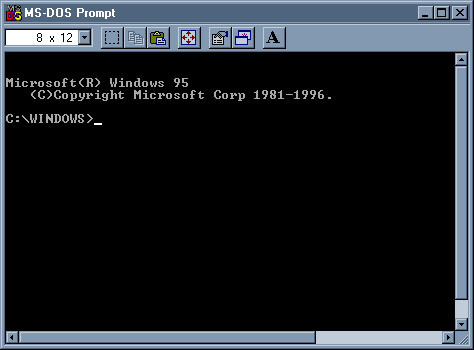
If you are a computer user who has been around for a while, you may remember the days of DOS (Disk Operating System). This was the operating system that powered most PCs in the 1980s and 1990s, before Microsoft Windows dominated the market. While most modern software is no longer compatible with the old DOS environment, there are still many legacy programs that only run on this vintage operating system. If you need to run one of these programs on your modern Windows PC, you can use a tool called vDos to achieve this.

vDos is a free, open-source software that emulates DOS and allows you to run old DOS programs on your modern Windows computer. It provides a complete virtual environment for your old software, which allows for full emulation of the original DOS operating system.

Here is a step-by-step guide on how to use vDos to run old DOS programs on Windows:

1. Download and Install vDos: The first step is to download vDos from the official website. You will see a download link on the homepage, so click on it and then save the installation file to your computer. Once the download is complete, run the installation file and complete the setup wizard.

2. Create a DOS environment: Once you have installed vDos, you need to create a DOS environment for it to run. To do this, open the vDos program and follow the on-screen instructions. You will be prompted to enter a directory path where you want to store your DOS program files. This directory will be used to store all your old program files, so choose a location that is easy to remember and access.

3. Copy your old program files to the vDos directory: Once you have created a DOS environment, you need to copy your old program files to the directory you specified earlier. Use the Windows File Explorer to find the folder containing your old program files and then copy them to the vDos folder. You can also drag and drop them into the vDos window.

4. Run the old program: Once you have copied your program files to the vDos folder, you can now start running your old DOS programs. Open the vDos window and enter the name of the program file you want to run. You can also use the “cd” command to change the directory to the folder containing your program files.

5. Configure vDos: For some older programs, you may need to configure vDos to work properly. To configure vDos, type “CONFIG” into the vDos window and then press Enter. This will bring up a configuration menu where you can adjust various settings to suit your needs.

6. Customize the vDos environment: You can also customize the vDos environment to make it easier to use. For example, you can change the font size, set up shortcut keys, and adjust other settings to better suit your needs.

In conclusion, utilizing vDos is an effective and free method to run your legacy DOS programs without requiring an old PC. The above steps provide a clear guideline on how to install and use vDos without much difficulty. By following these steps, you can bring back the nostalgia of using old DOS programs with ease.


Previous Article

How to Use Two WhatsApp Accounts on ...

Next Article

How to Use Virtual Desktops in Windows ...

Matthew Lynch

Related articles More from author

  • Online Learning & eLearning

    7 Signs You May Need To Outsource Your eLearning Writing

    December 23, 2019
    By Matthew Lynch
  • Online Learning & eLearning

    No One Knew 3D Touch Existed, and Now It’s Dead

    March 28, 2023
    By Matthew Lynch
  • Online Learning & eLearning

    Best Paid Survey Websites In 2024

    March 14, 2024
    By Matthew Lynch
  • Elementary EducationOnline Learning & eLearning

    IT Dictionary for Computer Terms and Tech Definitions on Techopedia

    March 28, 2023
    By Matthew Lynch
  • Digital & Mobile TechnologyOnline Learning & eLearning

    Online Classes that Teach Science, Technology, Engineering, and Math Skills

    May 24, 2021
    By Matthew Lynch
  • Assistive TechnologyDigital & Mobile TechnologyEdTech & InnovationHigher EducationOnline Learning & eLearning

    Flipping the Classroom with Screencasting

    October 23, 2020
    By Matthew Lynch

Search

Login & Registration

  • Register
  • Log in
  • Entries feed
  • Comments feed
  • WordPress.org

Newsletter

Signup for The Tech Edvocate Newsletter and have the latest in EdTech news and opinion delivered to your email address!

About Us

Since technology is not going anywhere and does more good than harm, adapting is the best course of action. That is where The Tech Edvocate comes in. We plan to cover the PreK-12 and Higher Education EdTech sectors and provide our readers with the latest news and opinion on the subject. From time to time, I will invite other voices to weigh in on important issues in EdTech. We hope to provide a well-rounded, multi-faceted look at the past, present, the future of EdTech in the US and internationally.

We started this journey back in June 2016, and we plan to continue it for many more years to come. I hope that you will join us in this discussion of the past, present and future of EdTech and lend your own insight to the issues that are discussed.

Newsletter

Signup for The Tech Edvocate Newsletter and have the latest in EdTech news and opinion delivered to your email address!

Contact Us

The Tech Edvocate
910 Goddin Street
Richmond, VA 23231
(601) 630-5238
[email protected]

Copyright © 2025 Matthew Lynch. All rights reserved.