Master Stop Loss: Your Guide to Risk Management in Trading
“`html
In the realm of trading, the ability to manage risk effectively can make or break your financial success. One of the most powerful tools at your disposal for this purpose is the stop loss strategy. Whether you’re trading stocks, Forex, or cryptocurrencies, understanding how to use a stop loss can help you minimize losses and preserve your capital. In this comprehensive guide, we’ll explore the intricacies of the stop loss strategy, its importance, various types, and practical insights to help you implement it successfully.
1. Understanding the Stop Loss Strategy: What Is It?
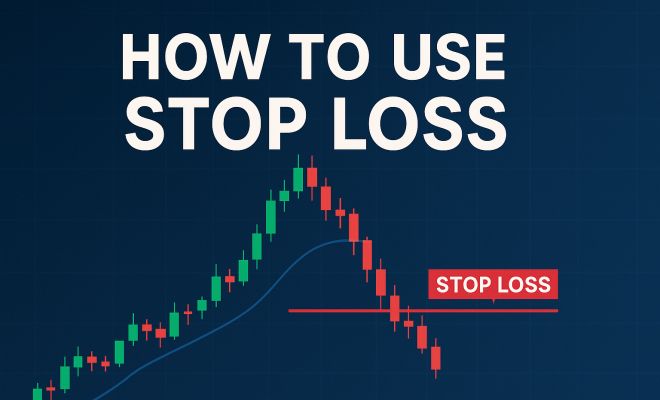
A stop loss is an order placed with a broker to buy or sell an asset once it reaches a certain price. Its primary purpose is to limit an investor’s loss on a position. The stop loss strategy is essential for anyone involved in trading because it helps manage risk and maintain discipline in volatile markets.
When you set up a stop loss, you effectively predefine the level at which you’re willing to exit a trade. This predefined exit point can help mitigate emotional decision-making during periods of market volatility. Instead of panicking and selling at a loss during a downturn, a stop loss allows you to stick to your plan and minimize the emotional rollercoaster often associated with trading.
2. The Importance of Risk Management: Why Use a Stop Loss?
Risk management is the cornerstone of successful trading, and using a stop loss is a key component of this strategy. By placing a stop loss, you protect your capital against unforeseen market movements. The stock market, for example, can be unpredictable, with prices swinging sharply in short timeframes. A stop loss acts as your safety net.
Consider this: if you invest $10,000 in a stock and set a stop loss at a 10% loss, you’re protecting yourself from losing more than $1,000 on that position. This calculated approach enables investors to survive long enough to see their winning trades flourish while avoiding catastrophic losses that could wipe out their accounts.
3. Types of Stop Loss Orders: Which One Should You Choose?
There are primarily three types of stop loss orders: standard stop loss orders, trailing stop loss orders, and guaranteed stop loss orders. Understanding the differences between these can help you select the most suitable option for your trading style.
- Standard Stop Loss Orders: This is the most common type. Once the asset’s price hits the stop loss price, the order becomes a market order, executing at the current market price.
- Trailing Stop Loss Orders: These stop losses move with the asset’s price. For example, if you set a trailing stop loss at 5%, and the price rises, the stop loss level rises as well. This allows you to lock in profits while still protecting against losses.
- Guaranteed Stop Loss Orders: Offered by some brokers, this type guarantees that your order will be executed at the specified stop loss price, regardless of market conditions. However, they may come with a higher premium.
4. How to Set a Stop Loss: The Basics of Implementation
Setting a stop loss is relatively straightforward, but it requires careful consideration of your trading strategy and market conditions. Here’s a step-by-step guide: (See: Stop loss strategies from SEC.)
- Determine Your Risk Tolerance: Before you can establish a stop loss price, you need to know how much risk you’re willing to take on a trade. A common recommendation is to risk no more than 1-2% of your total trading capital on a single trade.
- Identify Support and Resistance Levels: Technical analysis can help you determine optimal stop loss levels. Placing your stop loss below a support level can provide a buffer against losses, while placing it above a resistance level can protect against unexpected price movements.
- Use Technical Indicators: Incorporate indicators like Moving Averages or the Average True Range (ATR) to help define dynamic stop loss levels based on market volatility.
- Review Market Conditions: Always keep an eye on the overall market conditions. In volatile markets, consider widening your stop loss to avoid getting stopped out prematurely.
5. Common Mistakes to Avoid: Ensuring Your Stop Loss is Effective
Even seasoned traders can make mistakes when setting stop loss orders. Here are some common pitfalls to watch out for:
- Setting Stop Losses Too Tight: If your stop loss is too close to the entry point, you risk getting stopped out by normal market fluctuations. Position your stop loss at a level that accounts for volatility.
- Ignoring Market Conditions: Failing to take into account broader market trends can lead to poor stop loss placement. Always assess market sentiment before finalizing your stop loss.
- Psychological Factors: Emotional decision-making can lead to second-guessing your stop loss placement. Stick to your strategy and avoid the urge to adjust your stop loss out of fear or greed.
6. Adjusting Stop Loss Orders: When and How to Modify
Once you’ve set a stop loss, you might find it necessary to adjust it as market conditions change. Here are some scenarios where you should consider modifying your stop loss:
- After Reaching a Profit Target: If your trade moves significantly in your favor, consider moving your stop loss to break even or even above your entry point to lock in profits.
- In Response to Market Volatility: If the market becomes highly volatile, you may need to widen your stop loss to avoid being stopped out unnecessarily.
- Following Changes in Technical Indicators: Keep an eye on key indicators. If they signal that the trend is changing, it may be wise to adjust your stop loss accordingly.
7. Psychological Aspects of a Stop Loss Strategy: Staying Disciplined
The psychological element of trading cannot be overstated. Implementing a stop loss strategy can help you maintain discipline, but it’s essential to address the mental hurdles that can disrupt this discipline. Here are some strategies to stay focused:
- Predefine Your Strategy: Before entering a trade, outline your entire strategy, including entry and exit points. This preparation will reduce the likelihood of making knee-jerk reactions.
- Accepting Losses: Understand that losses are a natural part of trading. Embrace the fact that every trader experiences losses and that they don’t define your overall performance.
- Regular Review: Conduct post-trade analyses to learn from both winning and losing trades. This helps create a feedback loop that reinforces discipline in your trading strategy.
8. Real-World Examples of Stop Loss Strategies: Learning from Experience
To truly grasp how a stop loss strategy works, let’s look at a few real-world examples:
- Case Study: Tech Stock Trade – A trader buys shares of a tech company at $50 and sets a stop loss at $45, which is below a support level. When the stock dips due to market news but bounces back, the trader stays in the game, ultimately selling at $60. The stop loss saved them from a more significant loss.
- Case Study: Forex Trading – In Forex, a trader goes long on EUR/USD at 1.2000, with a trailing stop loss set at 50 pips. As the pair climbs to 1.2100, the stop loss adjusts to 1.2050. When the market reverses, the trader exits at 1.2050, securing a gain while protecting against downside risk.
9. Current Trends and Technologies in Stop Loss Strategies: What’s New?
The trading landscape is continuously evolving, and so are the tools available for implementing stop loss strategies. With advancements in algorithmic trading and artificial intelligence, traders can now employ more sophisticated stop loss mechanisms that analyze market trends in real-time, automatically adjusting stop loss levels based on current volatility.
Moreover, the rise of mobile trading apps means that traders can set, adjust, and monitor their stop loss orders on the go. This accessibility empowers traders to manage their positions more effectively, regardless of where they are.
As markets become increasingly interconnected, traders will need to stay abreast of these trends to optimize their stop loss strategies. With the right tools and knowledge, you’ll enhance your trading experience, minimize losses, and increase your potential for success.
10. Advanced Stop Loss Strategies: Going Beyond the Basics
While standard stop loss methods are effective, advanced traders often utilize more nuanced strategies to refine their risk management. Here are a few advanced techniques:
- Volatility-Based Stop Loss: This approach adjusts the stop loss based on the asset’s volatility. For example, using the Average True Range (ATR), a trader might set a stop loss at a multiple of the ATR below the entry point, ensuring a wider berth during high volatility periods.
- Time-Based Stop Loss: This strategy incorporates a time element, where a trader exits a position if it hasn’t moved favorably within a set timeframe. This is particularly useful in rapidly changing markets where trends can shift quickly.
- Price Action Stop Loss: Here, traders use price action and chart patterns to determine stop loss placement. For example, setting a stop loss below a recent swing low can provide a buffer if the price retraces.
11. Stop Loss Strategies in Different Markets: A Comparative Look
Different markets present unique challenges and opportunities when it comes to stop loss strategies. Here’s how stop loss strategies differ across popular trading markets:
- Stock Market: In stock trading, traders often utilize fundamental analysis alongside technical indicators to place stop losses. High volatility can prompt the use of trailing stops to protect profits.
- Forex Market: Forex trading requires quick decision-making due to its 24-hour nature and high leverage. Traders often prefer trailing stop losses to maximize gains as currency pairs fluctuate rapidly.
- Cryptocurrency Market: Due to the extreme volatility in cryptocurrencies, traders might use wider stop losses compared to traditional markets. Given the unpredictable nature of crypto assets, adopting a more relaxed approach can help avoid frequent stop-outs.
12. Statistics on Stop Loss Effectiveness: What the Data Says
Understanding the effectiveness of stop loss strategies can provide traders with insights into their own practices. Research indicates that:
- Studies show that traders using stop loss orders tend to have a 25% higher chance of maintaining their capital during market downturns compared to those who do not.
- According to a survey conducted by a financial firm, 63% of successful traders utilize stop loss strategies as a key component of their risk management protocols.
- Data suggests that traders who set predefined stop losses before entering a trade are 40% less likely to experience catastrophic losses.
13. Frequently Asked Questions (FAQ)
Here are some common questions traders have about stop loss strategies:
1. What is the best stop loss percentage?
There isn’t a one-size-fits-all answer as it depends on your trading style and the asset’s volatility. However, many traders recommend a stop loss of 1-2% of your total capital for each trade.
2. Can I change my stop loss after placing it?
Yes, you can adjust your stop loss at any time based on market conditions or your trading strategy. Just ensure that your adjustments are in line with your overall trading plan.
3. What happens if the market gaps through my stop loss?
If a market gaps over your stop loss price, your order may be executed at the next available price, which could be significantly different from your specified stop loss. This is known as slippage.
4. Are guaranteed stop losses worth the cost?
Guaranteed stop losses can be beneficial in highly volatile markets as they ensure execution at your desired price. However, weigh the costs against potential benefits based on your trading style.
5. Should I use a stop loss on every trade?
While it’s advisable to use stop losses on most trades to protect your capital, some strategies may rely on different risk management methods. Always assess your risk tolerance and market conditions.
14. Advanced Tools for Stop Loss Strategy Implementation: Leverage Technology
In today’s fast-paced trading environment, utilizing advanced tools can enhance the effectiveness of your stop loss strategy. Here are some technologies and platforms that can aid in better implementation:
- Trading Platforms: Many modern trading platforms come equipped with built-in stop loss features. They allow you to set various types of stop loss orders and customize them based on your trading strategy.
- Automated Trading Systems: Consider automated trading systems or bots that can manage your trades, including setting stop loss orders based on predefined conditions. These systems can react faster than human traders and reduce emotional decision-making.
- Market Sentiment Analysis Tools: Leverage tools that analyze market sentiment to inform your stop loss strategy. By understanding how other traders view the market, you can position your stop losses more effectively.
15. Real-World Implications of Effective Stop Loss Strategies: Case Studies
Examining successful trades can provide valuable insights into the application of stop loss strategies. Here are a couple of case studies that highlight effective use:
- Case Study: A Retail Investor and Market Trends – Jane, a retail investor, purchased shares of a retail company at $100. Recognizing a potential downturn due to market trends, she placed a stop loss order at $95. When the market dipped to $94, her stop loss activated, minimizing her loss. Later, the stock rebounded, illustrating the importance of protecting her capital.
- Case Study: An Institutional Trader – A hedge fund manager sets tight trailing stops on a volatile tech stock. The stock surges from $200 to $250, with a trailing stop of 10%. As the price fluctuates, the stop loss moves to $225. When the market takes a turn, the stock drops to $224, triggering the stop loss and securing profits while minimizing potential losses from a sharp decline.
16. Final Thoughts on Enhancing Your Stop Loss Strategy
To truly excel in trading, understanding and effectively implementing a stop loss strategy is crucial. It’s not just about protecting your capital but also about developing a disciplined approach that can lead to long-term success. Remember to continually evaluate your strategy and adjust as necessary, considering both market conditions and personal trading psychology. With the right mindset and tools, you can navigate the complexities of the financial markets more successfully.
17. Conclusion: Embracing the Stop Loss Strategy
Incorporating a well-planned stop loss strategy into your trading toolkit is essential for long-term success in any market. By understanding the mechanics, implementing best practices, and avoiding common pitfalls, you can manage your risk more effectively. As you continue to refine your trading strategies, remember that the ultimate goal is not just to maximize profits but to protect your capital and trade with confidence.
“`
Trending Now
Frequently Asked Questions
What is a stop loss in trading?
A stop loss is an order placed with a broker to buy or sell an asset once it reaches a certain price. Its main purpose is to limit an investor's loss on a position, helping to manage risk and maintain discipline in volatile markets.
Why is a stop loss important?
A stop loss is essential for risk management in trading. It protects your capital against unforeseen market movements, allowing you to avoid significant losses and stick to your trading plan, especially during market volatility.
How do you set a stop loss?
To set a stop loss, you need to determine the price level at which you are willing to exit a trade to limit your losses. This predefined exit point should align with your risk tolerance and trading strategy.
What are the different types of stop loss orders?
There are several types of stop loss orders, including standard stop loss, trailing stop loss, and guaranteed stop loss. Each type offers different mechanisms for protecting your investment based on market conditions and your trading strategy.
Can stop loss orders prevent all losses?
While stop loss orders are designed to limit losses, they cannot guarantee complete protection. In fast-moving markets, prices may gap past the stop loss level, resulting in larger losses than anticipated. However, they still serve as a crucial risk management tool.
Have you experienced this yourself? We’d love to hear your story in the comments.