Gallup 2026: Bridging the AI Divide in the Workplace
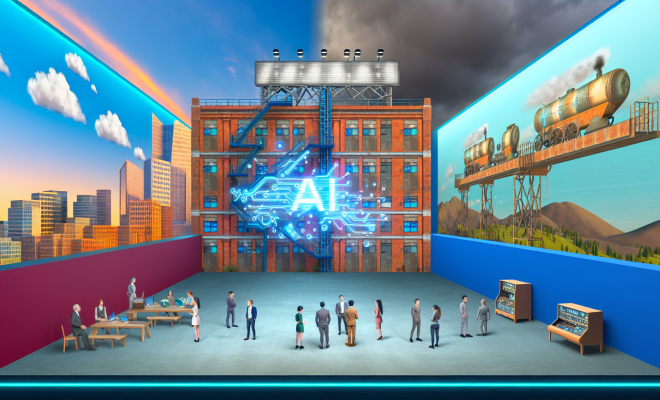
The integration of artificial intelligence (AI) into workplaces across the United States has been a growing trend, with significant implications for productivity and employee sentiment. According to a February 2026 Gallup poll, approximately 40% of U.S. workers report that their organizations have adopted AI technologies. While the shift towards AI is notable, the poll also highlights a divide in acceptance among employees, with many choosing to forgo its use.
The Rise of AI in American Workplaces
The Gallup poll illustrates a clear trend: AI is making inroads into various sectors, with a substantial number of organizations leveraging it to enhance efficiency and productivity. Among those who have embraced AI, two-thirds of respondents reported that the technology has positively impacted their productivity. This sentiment is particularly strong among management and tech sectors, where 70% of leaders indicated favorable outcomes compared to 50% of individual contributors.
Sector-Specific Success Stories
The poll not only reveals the overall adoption rates but also highlights specific roles that have benefited from AI integration. For instance:
- Management: Leaders in management roles are increasingly using AI tools to streamline decision-making processes and enhance team productivity.
- Healthcare: Professionals like social worker Scott Segal have turned to AI for managing patient resources, indicating a shift in how care is delivered.
- Legal Field: Attorneys such as Elizabeth Bloch are utilizing AI, including tools like ChatGPT, to aid in drafting documents and improving workflow efficiency.
These examples underscore the potential of AI to revolutionize traditional job functions, allowing professionals to focus more on strategic tasks rather than routine activities.
Barriers to AI Adoption
Despite the clear benefits reported by many organizations, a significant number of employees remain hesitant to adopt AI technologies. The Gallup poll identifies several key reasons for this reluctance:
- Preference for Traditional Methods: Many employees express a strong preference for completing tasks without the assistance of AI, valuing the personal touch and traditional approaches to their work.
- Ethical Concerns: A notable portion of the workforce is concerned about the ethical implications of AI usage, including potential biases in AI algorithms that could affect decision-making.
- Data Privacy Fears: As organizations gather and analyze vast amounts of data, employees are increasingly wary of how their personal information is handled and protected.
- Job Security Anxiety: The fear of job displacement due to AI automation remains a significant barrier to adoption, with many workers questioning their role in an AI-driven workplace.
This hesitance is reflected in the experiences of individual contributors who feel that their roles may become obsolete as AI continues to evolve.
The Employee Experience: A Mixed Bag
While leaders in many organizations advocate for the integration of AI, the experience of individual contributors can be markedly different. The disparity in perception between management and non-management employees is striking. Leaders tend to view AI as a tool for enhancement, while individual contributors often see it as a potential threat.
This divide suggests that successful AI implementation requires more than just technological adoption; it necessitates a cultural shift within organizations. Ensuring that all employees are onboard and understand the benefits of AI is crucial for fostering a collaborative and innovative work environment.
Strategies for Bridging the AI Divide
To address the concerns surrounding AI adoption, organizations must consider several strategies:
- Education and Training: Providing comprehensive training programs that educate employees about AI tools and their benefits can help alleviate fears and increase confidence in using the technology.
- Transparent Communication: Organizations should maintain open lines of communication regarding how AI is being used, addressing ethical concerns and data privacy issues directly with employees.
- Involvement in Decision-Making: Involving employees in discussions about AI implementation can foster a sense of ownership and reduce anxiety regarding job security.
By actively engaging with employees and addressing their concerns, companies can create a more inclusive environment that embraces AI technology.
Conclusion
The findings from the Gallup poll paint a complex picture of AI adoption in the workplace. While many organizations are reaping the benefits of AI, a significant portion of the workforce remains hesitant to embrace it fully. Bridging the gap between management’s enthusiasm and individual contributors’ concerns is essential for maximizing the potential of AI in the workplace. As companies navigate these challenges, the future of work will undoubtedly be shaped by both technological advancements and the human response to them.