The Tech Edvocate

Top Menu

  • Advertisement
  • Apps
  • Home Page
  • Home Page Five (No Sidebar)
  • Home Page Four
  • Home Page Three
  • Home Page Two
  • Home Tech2
  • Icons [No Sidebar]
  • Left Sidbear Page
  • Lynch Educational Consulting
  • My Account
  • My Speaking Page
  • Newsletter Sign Up Confirmation
  • Newsletter Unsubscription
  • Our Brands
  • Page Example
  • Privacy Policy
  • Protected Content
  • Register
  • Request a Product Review
  • Shop
  • Shortcodes Examples
  • Signup
  • Start Here
    • Governance
    • Careers
    • Contact Us
  • Terms and Conditions
  • The Edvocate
  • The Tech Edvocate Product Guide
  • Topics
  • Write For Us
  • Advertise

Main Menu

  • Start Here
    • Our Brands
    • Governance
      • Lynch Educational Consulting, LLC.
      • Dr. Lynch’s Personal Website
      • Careers
    • Write For Us
    • The Tech Edvocate Product Guide
    • Contact Us
    • Books
    • Edupedia
    • Post a Job
    • The Edvocate Podcast
    • Terms and Conditions
    • Privacy Policy
  • Topics
    • Assistive Technology
    • Child Development Tech
    • Early Childhood & K-12 EdTech
    • EdTech Futures
    • EdTech News
    • EdTech Policy & Reform
    • EdTech Startups & Businesses
    • Higher Education EdTech
    • Online Learning & eLearning
    • Parent & Family Tech
    • Personalized Learning
    • Product Reviews
  • Advertise
  • Tech Edvocate Awards
  • The Edvocate
  • Pedagogue
  • School Ratings

logo

The Tech Edvocate

  • Start Here
    • Our Brands
    • Governance
      • Lynch Educational Consulting, LLC.
      • Dr. Lynch’s Personal Website
        • My Speaking Page
      • Careers
    • Write For Us
    • The Tech Edvocate Product Guide
    • Contact Us
    • Books
    • Edupedia
    • Post a Job
    • The Edvocate Podcast
    • Terms and Conditions
    • Privacy Policy
  • Topics
    • Assistive Technology
    • Child Development Tech
    • Early Childhood & K-12 EdTech
    • EdTech Futures
    • EdTech News
    • EdTech Policy & Reform
    • EdTech Startups & Businesses
    • Higher Education EdTech
    • Online Learning & eLearning
    • Parent & Family Tech
    • Personalized Learning
    • Product Reviews
  • Advertise
  • Tech Edvocate Awards
  • The Edvocate
  • Pedagogue
  • School Ratings
  • This One Privacy Camera Feature Could Change Smart Homes Forever

  • Unprecedented: White House Mandates AI Security Incident Reporting After Troubling Breaches

  • The AI Storm Tracker Predicting Viral Narratives Just Landed $7 Million – Here’s Why It Matters

  • This State Just Unleashed AI to Prescribe Meds — Are We Ready for the Future of Medicine?

  • Outrageous: YouTuber Loses Decade of Work to Single YouTube Channel Ban

  • The CyberLeek Saga: What This New GTA 6 Footage Means For Rockstar

  • The Startling Truth About AI’s Medical Revolution You Need to Know

  • This Crucial Shift in AI in Higher Education Could Upend Your Future

  • Bizarre CloudConnect CRM Vulnerability: Why Thousands of Businesses Are Now Exposed

  • HomeSecure Breach: This is How 5 Million Mortgages Got Hacked

Digital & Mobile Technology
Home›Digital & Mobile Technology›How to Use Sandisk Cruzer Flash Drive

How to Use Sandisk Cruzer Flash Drive
By Matthew Lynch
May 30, 2023
0
Spread the love

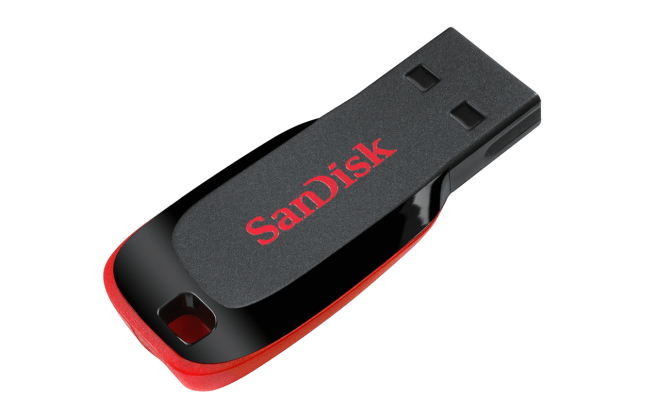
SanDisk Cruzer flash drive is a portable storage device that allows you to store and transfer data quickly and easily. Whether it’s documents, music, photos, or videos, the Cruzer flash drive enables you to move files between computers or share them with others without the need for an internet connection. In this article, we will explore how to use Sandisk Cruzer Flash Drive.

Step 1: Insert the Flash Drive

Insert the SanDisk Cruzer flash drive into an available USB port on your computer. The computer will recognize the device and assign a drive letter automatically. If your computer is running Windows, you will see a pop-up message prompting you to open the drive folder or to enable auto-play.

Step 2: Copying and Pasting Files

Open the folder that contains the files you want to transfer to the flash drive. Click on the file, right-click on it, and select “Copy” from the context menu. Navigate to the flash drive folder, and right-click and select “Paste.”

Step 3: Dragging and Dropping Files

Open the folder that contains the files you want to transfer to the flash drive. Click on the file, drag it to the destination folder of the flash drive, and release the mouse button. You can select multiple files by holding down the “Ctrl” key or “Shift” key while clicking.

Step 4: Unmounting the Flash Drive

When you are done copying or transferring files, it’s essential to unmount the flash drive properly to avoid data loss or file corruption. To do this, locate the flash drive letter in My Computer or File Explorer, right-click, and select “Eject” from the context menu. This action will unmount the flash drive, and you can safely remove it from the USB port.

Step 5: Formatting the Flash Drive

If you want to erase all the data on the SanDisk Cruzer flash drive, you can format it. However, formatting will delete everything on the drive, so make sure you have a backup copy of important files before proceeding. To format, locate the flash drive letter in My Computer or File Explorer, right-click and select “Format” from the context menu. Follow the on-screen instructions to complete the formatting process.

Conclusion:

Using the SanDisk Cruzer flash drive is pretty simple and straightforward. With its portability, you can take your files with you wherever you go and easily transfer them between devices. By following the above steps, you will be able to use the flash drive without any issues. Remember to always unmount the drive before removing it from the computer, and always keep a backup copy of your important files.


Previous Article

How to Use Snap Layouts in Windows

Next Article

How to Use Sprint Phones on MetroPCS ...

Matthew Lynch

Related articles More from author

  • Digital & Mobile Technology

    How to Scan & Email a Document

    May 7, 2023
    By Matthew Lynch
  • Digital & Mobile Technology

    What Can You Do With a Raspberry Pi 400?

    June 26, 2023
    By Matthew Lynch
  • Digital & Mobile Technology

    How to Turn On a Mac

    June 9, 2023
    By Matthew Lynch
  • Digital & Mobile Technology

    The Simple Guide to Annotations: How to Annotate PDFs, Ebooks, Images, and Websites

    September 7, 2023
    By Matthew Lynch
  • Digital & Mobile Technology

    Panasonic HC-V770 Review

    June 11, 2023
    By Matthew Lynch
  • Digital & Mobile Technology

    How to Repair an External Hard Drive

    May 4, 2023
    By Matthew Lynch

Search

Login & Registration

  • Log in
  • Entries feed
  • Comments feed
  • WordPress.org

Newsletter

Signup for The Tech Edvocate Newsletter and have the latest in EdTech news and opinion delivered to your email address!

About Us

Since technology is not going anywhere and does more good than harm, adapting is the best course of action. That is where The Tech Edvocate comes in. We plan to cover the PreK-12 and Higher Education EdTech sectors and provide our readers with the latest news and opinion on the subject. From time to time, I will invite other voices to weigh in on important issues in EdTech. We hope to provide a well-rounded, multi-faceted look at the past, present, the future of EdTech in the US and internationally.

We started this journey back in June 2016, and we plan to continue it for many more years to come. I hope that you will join us in this discussion of the past, present and future of EdTech and lend your own insight to the issues that are discussed.

Newsletter

Signup for The Tech Edvocate Newsletter and have the latest in EdTech news and opinion delivered to your email address!

Contact Us

The Tech Edvocate
910 Goddin Street
Richmond, VA 23231
(601) 630-5238
[email protected]

Copyright © 2026 Matthew Lynch. All rights reserved.