Mastering Running Shoe Laces for Comfort & Performance
“`html
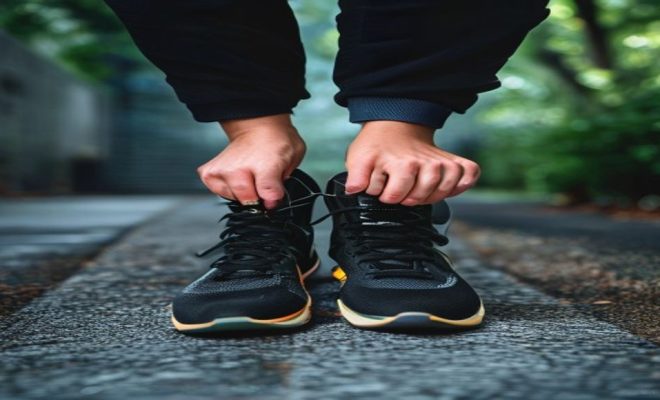
Tying your running shoes might seem like a simple task, but mastering this skill can significantly enhance your comfort, performance, and even prevent injuries. Whether you’re a casual jogger or a seasoned marathoner, understanding how to tie running shoes properly is crucial. This guide will walk you through various methods and techniques to ensure that your laces are secure, your shoes fit comfortably, and your runs are more enjoyable.
1. The Importance of Proper Shoe Tying
Before we jump into the various methods to tie your shoes, let’s explore why it matters. Properly tied shoes not only keep your feet secure but also play a role in your running efficiency. When your shoes are tied too loosely, it may lead to blisters or even injuries due to lack of support. On the flip side, shoes that are tied too tightly can constrict blood flow, causing discomfort.
Moreover, a well-tied shoe enhances your overall running experience. It can help improve your stability on different terrains and allow you to focus on your form and breathing instead of fidgeting with your laces. So, learning how to tie running shoes effectively is about much more than just aesthetics—it has real implications on performance and well-being.
2. Basic Tying Method: The Standard Knot
The standard knot is the most common way to tie running shoes. Here’s a simple step-by-step breakdown:
- Start by crossing one lace over the other, creating an ‘X’.
- Take the lace that is now on top, wrap it around the bottom lace, and pull it through the hole created.
- Tighten the knot by pulling both laces away from the shoe.
- Make a loop with one lace, then wind the other lace around the loop.
- Pull the second lace through the loop you’ve created, and tighten.
This method is effective for most runners, but it can be improved upon for better security.
3. Runner’s Knot: A Secure Alternative
If you find yourself constantly retying your shoes mid-run, the runner’s knot could be your solution. This method is designed to lock the laces in place, preventing them from loosening during your run.
To tie a runner’s knot, follow these steps:
- Begin with the standard knot as described above.
- Before making your final loop, take each lace and thread it through the adjacent eyelet on the same side of the shoe.
- Now, complete the knot by making the loop and pulling the laces through.
- Tighten the knot, and you’ll notice a significant decrease in movement.
This method is particularly beneficial for long-distance runners who want to avoid distractions during their runs.
4. Heel Lock Technique: Preventing Heel Slippage
Heel slippage can be a major annoyance, especially on steep or uneven terrain. The heel lock technique not only secures your heel but also offers additional stability.
Here’s how to execute the heel lock: (See: impact of footwear on running injuries.)
- Start by lacing your shoes as you normally would up to the second-last eyelet.
- Instead of crisscrossing the laces, thread them vertically through the top eyelets on each side.
- Now, cross the laces and feed them through the loops created at the top.
- Pull tight to secure your heel in place.
This method is great for runners who experience heel blisters or discomfort due to excess movement in the heel area.
5. Different Lacing Techniques for Different Foot Types
Every runner has a unique foot shape, and this can affect how your shoes fit. Customizing your lacing technique can address foot-specific issues, enhancing your running experience.
- Narrow Feet: For runners with narrow feet, lacing through every eyelet can help create a snug fit. Try using the runner’s knot for added security.
- Wide Feet: If you have wide feet, skip an eyelet to give your foot more room. This can prevent pinching and discomfort.
- High Arches: Runners with high arches might benefit from the heel lock technique to prevent their heel from lifting inside the shoe.
- Flat Feet: Use a wider lacing pattern to accommodate the arch and provide support.
By understanding your foot type, you can make informed choices about how to tie running shoes that cater to your specific needs.
6. Choosing the Right Laces
Believe it or not, the type of laces you use can have a significant impact on how well your shoes fit and how effectively they stay tied. Laces come in various materials and lengths, each suitable for different running styles.
Flat laces, for instance, tend to stay tied better than round laces, making them popular among serious runners. If you prefer a more traditional look, round laces can work just fine, but you might need to double knot them for security.
Additionally, consider the length of your laces. If they’re too long, they may drag on the ground and become a tripping hazard. A good rule of thumb is to choose laces that allow for a few loops around the ankle but aren’t excessively long.
7. Incorporating Technology: Smart Shoes
As technology continues to evolve, so does the footwear industry. Smart shoes equipped with automatic lacing systems have entered the market, allowing runners to adjust their fit on the go. Brands like Nike and Adidas have released models that use sensors to tighten or loosen your shoes based on your foot’s movement.
These smart shoes, while still on the pricier side, can provide a tailored fit that traditional laces may not achieve. For those serious about performance, investing in a pair of smart shoes might be worth considering. However, it’s still essential to understand the basics of how to tie running shoes, as these systems may occasionally fail or require manual adjustment.
8. Common Mistakes When Tying Running Shoes
Even seasoned runners can make mistakes when it comes to tying their shoes. Here are a few common errors and how to avoid them:
- Not Tightening Properly: Make sure to pull the laces tight enough to secure your foot without cutting off circulation.
- Ignoring Lace Maintenance: Regularly check your laces for fraying or wear. Replace them if they’re damaged to ensure safety and effectiveness.
- Forgetting About Double Knots: If you find your shoes continually coming undone, consider using a double knot technique to keep them secure throughout your run.
- Skipping the Eyelets: Every eyelet serves a purpose. Skipping them can lead to poor fit and increased chances of blisters.
By avoiding these pitfalls, you can enhance your overall running experience.
9. The Future of Running Shoe Technology: What Lies Ahead
As the running industry continues to innovate, we can expect more advancements in how to tie running shoes and shoe technology in general. From enhanced fabrics that conform better to foot shapes to innovative lacing systems that adapt to various terrains, the future looks promising. (See: importance of proper footwear.)
With a growing emphasis on personalization, it’s likely that we’ll see more options for runners to customize their shoes for optimal performance. Whether through advanced lacing techniques or entirely new technologies, staying informed and adaptable will help you make the most of your running experience in the years to come.
10. Statistics on Running Injuries and Shoe Fit
It’s essential to understand the gravity of proper shoe fitting and tying in reducing running injuries. According to a study published in the Journal of Sports Sciences, 79% of runners reported experiencing injuries at some point, with improper shoe fit being a major contributing factor.
Another study focused on novice runners indicated that 70% of them experienced discomfort, primarily due to poorly tied shoes. Runners who reported using secure lacing techniques, such as the runner’s knot, reported a 30% reduction in injuries related to foot movement within the shoe. These statistics highlight the critical role of tying techniques in injury prevention and overall performance.
11. Expert Perspectives on Running Shoe Fit
To gain deeper insights into the role of shoe tying in running, we consulted with Dr. Emily Thompson, a sports physiotherapist with over 15 years of experience. She emphasizes that “the way your shoes are tied can drastically influence your biomechanics. A properly tied shoe aids in better posture and alignment, which are crucial to avoid injuries, especially during long runs.”
Dr. Thompson also mentions that many runners overlook the importance of lacing techniques when changing shoe types or brands. “Each brand may have subtle differences in fit and structure, so adjusting your lacing technique to suit your new shoes can make a world of difference,” she adds.
12. Different Lacing Styles for Specific Needs
In addition to the standard and runner’s knot, there are several other lacing styles worth exploring based on your specific needs:
- Gap Lacing: If you experience pressure on the top of your foot, this technique allows for a more relaxed fit by skipping certain eyelets.
- Lock-Lacing: Similar to the heel lock technique but involves a different approach to securing the laces for enhanced lockdown and stability during high-intensity activities.
- Diagonal Lacing: This method is particularly helpful for those with high arches or unique foot shapes, allowing for a customizable fit across the instep.
13. FAQ on Tying Running Shoes
What’s the best way to tie running shoes to prevent them from coming untied?
The runner’s knot is often recommended for this purpose as it locks the laces in place better than standard knots, reducing the chances of them coming undone during runs.
Can I tie my shoes too tight?
Yes, tying your shoes too tightly can restrict blood flow and cause discomfort. It’s essential to find a balance where your shoes feel secure but not constricting.
Are there specific lacing techniques for trail running?
Absolutely! Trail runners often benefit from heel lock techniques to prevent slippage on uneven surfaces. Additionally, using gap lacing can help accommodate foot swelling during longer runs.
How often should I replace my shoelaces?
Inspect your laces regularly for wear and fraying. If they show signs of damage or if your shoes keep coming untied, it may be time to replace them. Generally, laces can last several months with proper care. (See: shoe fit and running performance.)
What’s the impact of lace material on performance?
The material can affect how well the laces stay tied. Flat laces grip better and are less likely to slip, while round laces may require double knots for security. Choosing the right material can enhance your overall running experience.
14. Lacing Techniques for Special Situations
Shoe tying techniques can also be adapted for specific scenarios that may arise during your running routine. For example, if you’re preparing for a race or a long run, or if you’re running in colder weather, adjusting your lacing can optimize your performance and comfort.
- Race Day Preparation: When gearing up for race day, consider employing a combination of the runner’s knot and heel lock technique to ensure maximum security. This extra tightness can help prevent any unnecessary slippage, which can be distracting during a competitive run.
- Cold Weather Adjustments: If you’re running in colder climates, you might experience foot swelling due to temperature changes. Use gap lacing to allow for a bit more room, which can help improve circulation and keep your feet warm.
- Post-Run Comfort: After your run, if your feet feel sore or swollen, consider loosening your laces or switching to a more relaxed lacing technique for recovery. This adjustment can help promote blood flow and alleviate pressure on sensitive areas.
15. Getting the Right Fit: The Role of Professional Fitting
If you’re serious about running and find yourself frequently dealing with discomfort or injuries, consider visiting a specialty running store for a professional fitting. This service can provide insights that go beyond just how to tie running shoes effectively. Experts can analyze your gait, foot shape, and running style to recommend the best shoe type and size for you.
During a fitting, they may assess your arch type and recommend specific lacing techniques tailored to your unique foot structure. This personalized approach helps ensure that your shoes not only fit well but also support your running form, reducing the risk of injuries.
16. Engaging with the Running Community
Connecting with other runners can provide valuable insights into different lacing techniques and shoe-related experiences. Joining local running clubs or online forums allows you to share and gather information about best practices for tying running shoes.
Community members often exchange tips and personal anecdotes, which can provide inspiration and motivation. Additionally, participating in organized runs or races can provide opportunities to observe how experienced runners tie their shoes, giving you new techniques to try.
In summary, knowing how to tie running shoes may seem trivial, but it can have a profound impact on your comfort, performance, and overall enjoyment of running. By experimenting with different techniques, materials, and technologies, you can find what works best for you. So, lace up, tie those shoes properly, and hit the ground running!
“`
Trending Now
Frequently Asked Questions
What is the best way to tie running shoes?
The best way to tie running shoes is by using the standard knot method, which involves crossing the laces to form an 'X', wrapping one lace around the other, and creating loops for a secure fit. This ensures comfort and prevents your shoes from coming loose during runs.
How do you tie running shoes to prevent blisters?
To prevent blisters while running, make sure your shoes are tied securely but not too tightly. A properly tied shoe provides support without constricting blood flow, helping to minimize friction that can lead to blisters.
What is the runner's knot technique?
The runner's knot is a technique designed for a more secure fit. It involves creating an additional loop with the laces that prevents them from loosening during runs. This method is particularly useful for runners who frequently need to re-tie their shoes.
Why is it important to tie running shoes properly?
Tying running shoes properly is crucial for comfort, performance, and injury prevention. A well-tied shoe enhances stability, allows for better focus on form, and minimizes the risk of blisters or injuries caused by improper support.
Can tying shoes too tightly cause problems?
Yes, tying shoes too tightly can restrict blood flow and cause discomfort during runs. It's important to find a balance where the shoes are secure enough to provide support without being overly tight.
What's your take on this? Share your thoughts in the comments below — we read every one.