Master Backward Skating: 7 Essential Tips for All Levels
“`html
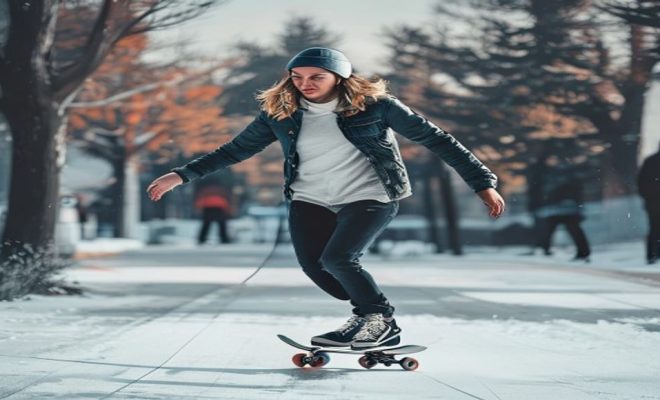
Skating backwards might seem like a daunting skill reserved for the pros, but it’s much more accessible than you might think. Whether you’re a beginner eager to enhance your skating repertoire or a seasoned skater wanting to refine your technique, understanding how to skate backwards is vital. This skill not only adds flair to your skating style but also improves your overall balance and coordination. In this article, we’ll explore seven essential tips to help you master the art of skating backwards and elevate your skating game.
1. Understanding the Basics of Backward Skating
Before diving into practical techniques, it’s important to grasp the fundamentals of skating backwards. Backward skating, or reverse skating, often requires a different set of balance and movement skills than forward skating. In this position, your body naturally shifts weight in a way that feels unfamiliar. Understanding this difference is the first step toward successfully learning how to skate backwards.
In backward skating, your feet will be positioned in a V-shape initially, and you’ll shift your weight from one skate to the other. The center of gravity shifts slightly backward, which can feel unstable at first. It’s essential to practice this weight distribution to gain confidence in your movements. Starting on a flat surface is advisable until you feel comfortable before moving on to more challenging terrains.
2. Choosing the Right Gear
Your choice of skates plays a crucial role in how well you can skate backwards. Using skates that fit properly and provide adequate support is essential. Skates that are too loose can lead to instability, while ones that are too tight may hinder movement. Ensure your skates are snug but not pinching, as comfort is vital when learning new skills.
Additionally, consider wearing protective gear such as wrist guards, knee pads, and a helmet, especially if you’re practicing in an area where falls may occur. This can help alleviate the fear of falling and allow you to focus on your technique. Remember, safety first!
3. Learning the Proper Stance
Once you’re equipped with the right gear, it’s time to work on your stance. Start by standing still on your skates with your feet in a V-shape, heels together and toes pointing outward. This position offers a solid base and helps stabilize your balance. From here, practice gently rocking your weight from one foot to the other while maintaining your V-shape stance.
As you feel more comfortable, shift your weight onto your dominant foot and lift the other foot slightly off the ground. This will help you practice transitioning your weight without losing balance. Remember to keep your knees slightly bent, which adds an extra layer of stability and prepares your body for movement.
4. Mastering the Glide
After getting used to your stance, it’s time to learn the glide, a crucial part of how to skate backwards. Begin by pushing off with your dominant foot while gliding backward. The motion resembles a gentle push followed by letting that foot slide back, allowing your weight to shift appropriately. Your other foot should follow in a straight line behind the leading foot, creating a seamless motion.
As you gain confidence, practice alternating your pushes. For instance, push off with your left foot, glide backward, and then switch to your right. This will help you develop the muscle memory needed for smoother backward skating. Remember, practice makes perfect, so don’t rush this stage. (See: learn more about skating techniques.)
5. Incorporating Turns
Once you’ve nailed the glide, you can start incorporating turns into your backward skating routine. Start by mastering a simple pivot. Practice turning your head and shoulders in the direction you want to turn before shifting your weight. This will help guide your body and maintain balance as you turn.
To perform a turn, gently push with your leading foot and use your back foot to guide the direction of the turn. The key is to remain fluid in your movements, making sure not to jerk or twist your body abruptly, which can throw you off balance. With time and practice, you’ll find it much easier to turn while skating backwards.
6. Building Confidence Through Practice
Confidence is key when learning how to skate backwards. Start with short practice sessions focused on gliding and turning. Gradually increase your practice time as you become more comfortable. Consider finding a friend or joining a skating group that can provide encouragement and tips.
In addition to practicing in safe, flat areas, consider using cones or markers to create a small course. This will give you targets to aim for while practicing your backward skating skills, making the process more engaging and challenging. The more you expose yourself to different skating environments, the more confidence you will gain in your abilities.
7. Advanced Techniques and Tricks
Once you’ve mastered the basics, you can explore more advanced techniques in backward skating. Some popular tricks to try include the backward crossovers, which are essential for gaining speed and executing smooth turns. This technique involves crossing one leg over the other while maintaining your backward motion, creating a fluid transition.
You can also work on performing backward stops, which is crucial for maintaining control. Start by practicing the T-stop, where you drag one skate perpendicular to your direction of movement, using it to slow down and stop efficiently while skating backwards. As you continue to develop your skills, don’t hesitate to incorporate these advanced moves into your routine.
8. Common Mistakes to Avoid
While learning how to skate backwards, there are a few common mistakes that you should be mindful of. One of the biggest pitfalls is leaning too far back. This can lead to loss of balance and increase the likelihood of falling. Always keep your knees slightly bent and your upper body over your skates to maintain a strong center of gravity.
Another mistake many beginners make is skimming the ground with their skates instead of lifting them slightly off the surface. This can cause friction and slow you down. Learn to find the right balance between lifting your skates and keeping them close to the ground to optimize your speed and control.
9. The Importance of Backward Skating in Skating Sports
Backward skating isn’t just a fun trick; it’s a fundamental skill in many skating sports, including figure skating, hockey, and roller derby. In figure skating, backward skating allows for transitions between moves and enhances overall performance quality. In hockey, players often skate backwards to check opponents and maintain positioning.
As such, mastering how to skate backwards provides you with a multifaceted skill set that can improve your performance across various disciplines. By continuing to practice and refine this skill, you not only become a more versatile skater but also open up new possibilities for creative expression on the rink. (See: importance of physical activity.)
10. Exercises to Improve Backward Skating
To further enhance your ability to skate backwards, it’s beneficial to incorporate specific exercises into your training routine. Here are a few that can help:
- Wall Pushes: Stand about a foot away from a wall or railing. Place your hands on it and practice pushing off with one foot while gliding backward. This can help build confidence and improve your balance.
- Backward Slalom: Set up cones or markers in a zigzag pattern. Practice weaving in and out while skating backwards. This not only improves your control but also enhances your ability to change directions quickly.
- Single-Leg Glides: Try gliding on one foot while the other is lifted slightly off the ground. Alternate between legs. This exercise strengthens your core and improves balance, both crucial for skating backwards.
11. The Role of Core Strength
Your core muscles play a pivotal role in maintaining balance and control while skating. A strong core can significantly improve your backward skating skills. Incorporate core-strengthening exercises like planks, sit-ups, and yoga into your routine. Having a solid core helps stabilize your body, making it easier to shift your weight and maintain balance as you skate backwards.
12. Understanding the Psychology of Skating Backwards
Learning how to skate backwards is not just about physical ability; it’s also a mental challenge. Overcoming the psychological barriers can sometimes be more difficult than mastering the physical techniques. It’s common to experience fear or anxiety when trying something new, especially when it involves moving in a direction you can’t see. To combat this:
- Visualization: Visualize yourself skating backwards confidently. Picture the movements you need to make and the feeling of gliding smoothly.
- Positive Reinforcement: Celebrate small victories. Each time you make progress, no matter how minor, acknowledge your improvement.
- Mindfulness: Stay present while practicing. Focus on your breath and the sensations in your body, which can help reduce anxiety about falling.
13. Frequently Asked Questions (FAQ)
What age is best to start learning how to skate backwards?
There’s no specific age to start learning how to skate backwards, but younger skaters may find it easier to pick up new skills due to their agility and balance. However, with the right guidance and practice, skaters of any age can learn this skill effectively.
How long does it typically take to learn to skate backwards?
The time it takes to learn how to skate backwards varies from person to person. Some may feel comfortable within a few sessions, while others might take weeks or even months. Consistent practice is key.
Are there specific types of skates better suited for backward skating?
Yes, figure skates or high-top hockey skates provide better ankle support, which can be helpful for maintaining balance while skating backwards. Ensure the skates fit well and are suited for your skating style.
What should I do if I fall while skating backwards?
First and foremost, stay calm. Falling is a natural part of learning. Try to fall sideways or backward to protect yourself. Roll as you hit the ground to minimize impact. Practice falling safely on flat surfaces to reduce the fear of falling.
Can I practice backward skating on any surface?
While it’s best to practice on smooth, flat surfaces, you can also try it on different terrains as your skills improve. Just be cautious of rough or uneven surfaces that could lead to falls. (See: explore the resurgence of roller skating.)
What should I do if I find myself struggling with backward skating?
If you find yourself struggling, take a step back and reassess your technique. Sometimes it helps to practice in front of a mirror, allowing you to see your movements and correct any form issues. Consider working with a coach or more experienced skater who can provide personalized feedback and encouragement.
Are there any online resources or communities for skaters?
Absolutely! There are numerous online forums, websites, and social media groups dedicated to skating. These communities often share tips, techniques, and videos, offering a support network that can be invaluable while learning how to skate backwards. Websites like YouTube have countless tutorials that can provide visual guidance as well.
Can backward skating help improve my forward skating as well?
Definitely! Learning how to skate backwards enhances your balance, coordination, and overall agility, which are all transferable skills that can improve your forward skating. The practice of switching between different skating directions encourages greater overall control and responsiveness on the rink.
Should I incorporate backward skating into my regular practice routine?
Incorporating backward skating into your routine is a great idea. Even if you’re primarily focused on forward skating, practicing backwards can enhance your overall skating abilities. It keeps your skills sharp and adds a fun variety to your practice sessions.
Are there any other skills that are beneficial to learn alongside backward skating?
Yes, skills such as stopping techniques, turning, and even basic jumps or spins can complement your backward skating practice. Each of these skills contributes to your overall versatility as a skater, making the entire experience more enjoyable and dynamic.
Learning how to skate backwards can be both a rewarding and enjoyable experience. With the right techniques, practice, and mindset, you’ll find yourself gliding gracefully in no time. So, strap on those skates and hit the rink—there’s a whole world of backward skating waiting for you!
“`
Trending Now
Frequently Asked Questions
How do you skate backwards for beginners?
To skate backwards as a beginner, start by positioning your feet in a V-shape and practice shifting your weight from one skate to the other. Begin on a flat surface to build confidence in your balance and movements before progressing to more challenging terrains.
What gear do I need to skate backwards?
For skating backwards, it’s crucial to have properly fitting skates that provide adequate support. Additionally, wearing protective gear such as wrist guards, knee pads, and a helmet can help prevent injuries while you practice this new skill.
Is skating backwards difficult?
Skating backwards can be challenging initially, as it requires a different set of balance and movement skills compared to forward skating. However, with practice and understanding the fundamentals, it becomes more accessible and can enhance your overall skating ability.
What are the benefits of skating backwards?
Skating backwards improves your overall balance and coordination, adds flair to your skating style, and can enhance your agility on the rink. It’s a valuable skill that diversifies your skating repertoire.
Can you learn to skate backwards on your own?
Yes, you can learn to skate backwards on your own by practicing the basic techniques, such as weight shifting and maintaining a V-shape with your feet. Starting on a flat surface and gradually progressing can help you gain confidence and skill.
Have you experienced this yourself? We'd love to hear your story in the comments.