How to remove algae from fish tank
“`html
Algae in a fish tank can be more than just an eyesore; it can disrupt the balance of your aquatic ecosystem. Many fish enthusiasts face the challenge of maintaining a clean, clear tank while providing a healthy environment for their aquatic friends. If you’ve been struggling with algae bloom and wondering how to remove algae from fish tank effectively, you’re in the right place. In this article, we’ll explore eight proven ways to tackle algae growth, ensuring your tank remains a vibrant home for your fish.
1. Understanding Algae Growth
Before you can effectively remove algae from your fish tank, it’s crucial to understand what causes its proliferation. Algae are simple, photosynthetic organisms that thrive in environments with excess nutrients and light. Common types of algae include green algae, brown algae, and blue-green algae, each requiring different approaches for removal.
Algae thrive on a few key factors: too much light, overfeeding your fish, and high nutrient levels in the water. When your tank’s nitrogen and phosphorus levels rise, often due to decomposing food or waste, algae can bloom. Therefore, understanding these underlying problems is essential in your quest to maintain a clean aquarium.
Interestingly, the type of substrate and the presence of organic materials can also contribute to algae growth. For instance, gravel substrates can harbor more waste than sand, leading to an increase in nutrient levels when not properly maintained. Additionally, introducing driftwood or rocks can provide surfaces for algae to cling to, further complicating the issue if not managed correctly.
Another interesting aspect to consider is the role of CO2 levels in algae growth. In heavily planted tanks, CO2 is often a limiting factor for both plants and algae. If CO2 is introduced through injection or fertilizers, it can encourage plant growth, giving them an advantage over algae. This balance is crucial for your aquarium’s health.
2. Regular Water Changes
One of the most effective ways to remove algae from fish tank is to perform regular water changes. This practice helps to decrease nutrient levels in the water, which can contribute to algae growth. Ideally, you should change about 10% to 20% of your tank’s water weekly, depending on the tank size and the number of fish.
When performing a water change, ensure you’re using dechlorinated water to prevent harming your fish. You can also use a gravel vacuum to clean the substrate and remove uneaten food and waste that contribute to nutrient overload. This simple habit can significantly reduce algae growth over time.
Statistics show that regular water changes can reduce algae growth by up to 50%, creating a more stable environment for your aquatic life. Maintaining a routine not only keeps algae at bay but also helps to balance pH levels and remove toxins that can harm fish.
It’s also worth noting that the frequency of water changes might need to be increased if you have more bioload in the tank. Tanks with higher fish populations or those that house messy eaters will require more diligent water changes to keep algae in check.
3. Control Lighting Conditions
Excessive lighting is a notorious trigger for algae blooms. Algae utilize light to grow, so managing how much light your tank receives can help immensely. Ideally, limit your aquarium lighting to about 8 to 10 hours per day. Consider using a timer to maintain consistent lighting intervals.
Additionally, position your tank away from direct sunlight. Natural light can exacerbate algae growth, leading to unsightly green films or patches. If your fish tank is near windows, you might want to consider aquarium shades or curtains to minimize the impact of sunlight.
Research has shown that certain wavelengths of light can promote algae growth more than others. LED lights in the blue spectrum, for example, are particularly beneficial for plant growth but can also trigger algae proliferation. Opting for full-spectrum lighting can help maintain a balance between plants and algae. (See: Understanding algae growth in aquariums.)
Consider also experimenting with different light intensities. Sometimes reducing the intensity of the light can help limit algae growth without compromising the health of your plants. Dimming your lights or using lower wattage bulbs can be a simple yet effective strategy.
4. Introduce Live Plants
Interestingly, introducing live plants into your aquarium can be a natural solution to remove algae from fish tank. Plants compete with algae for nutrients and light, effectively reducing the latter’s growth potential. Fast-growing plants such as hornwort or water sprite can help absorb excess nutrients in the water.
Furthermore, live plants provide shelter and breeding grounds for fish, improving the overall health of your tank’s ecosystem. However, be mindful of plant maintenance; dead or decaying plant matter can add nutrients back into the water, potentially leading to more algae growth. Consistent trimming and care are essential.
Moreover, certain plant species like Anacharis and Elodea have been shown to effectively outcompete algae for essential nutrients, making them excellent choices for algae control. If you’re considering adding plants, look for species that suit your tank’s conditions, including light availability and water parameters.
In addition to their nutrient-absorbing capabilities, plants also help oxygenate the water, which can benefit the fish and other aquatic life in your tank. A diversified plant selection can create a more balanced ecosystem, thus further limiting algae growth.
5. Reduce Fish Feeding
Overfeeding your fish is a common mistake that can lead to increased algae in your tank. Uneaten fish food decomposes and releases nutrients into the water, creating a fertile ground for algae. To combat this, consider adjusting your feeding habits. Feed your fish only what they can consume in a few minutes, and remove any leftover food promptly.
If you’re unsure how much to feed, observe your fish closely during feeding time. Adjust portions as necessary, and consider incorporating fasting days into your feeding routine once a week. This practice not only helps control algae growth but can also improve fish health.
In fact, studies indicate that a controlled feeding routine can lead to a 30% reduction in algae growth, emphasizing the importance of mindful feeding. An added benefit is that your fish will likely be healthier and more active, as overfeeding can lead to obesity and other health issues.
It’s also worth incorporating a variety of foods into your fish’s diet. Different food types can have varying nutrient profiles, which can influence water chemistry. A well-balanced diet contributes to the overall health of your fish while minimizing waste that could feed algae.
6. Utilize Algae-Eating Fish
Adding algae-eating fish to your aquarium can be a practical and entertaining way to combat algae. Species like the Siamese algae eater, otocinclus, and certain types of snails can help keep your tank clean. These organisms consume algae, reducing the need for manual removal methods.
However, it’s essential to research and ensure compatibility with your existing fish. Some species might not be suitable for your tank’s environment or could become aggressive. Always aim for a balanced aquarium where all inhabitants can thrive together.
Consider also including shrimp species like Amano shrimp, known for their voracious appetite for algae. These creatures not only manage algae but also add an interesting dynamic to your aquarium, as they are active scavengers. Just keep in mind that they need enough hiding spots to feel secure in your tank.
In addition to their algae-cleaning abilities, these algae-eaters can help maintain the tank’s overall cleanliness by feasting on leftover food and other organic matter. This not only helps reduce algae growth but can also contribute to a healthier environment for all your aquatic life. (See: Maintaining a healthy aquarium environment.)
7. Manual Removal Techniques
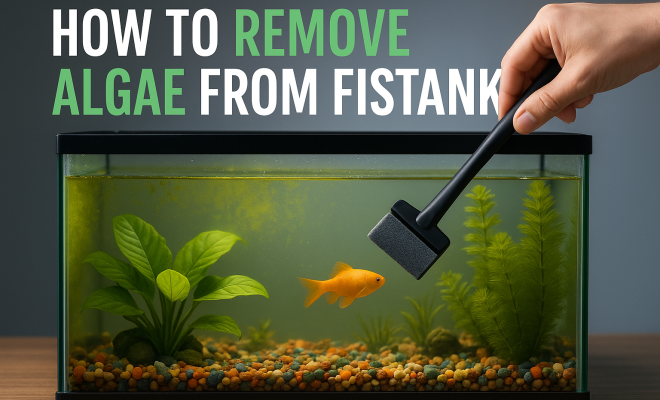
Sometimes, taking a hands-on approach is necessary to remove algae from fish tank effectively. Regularly inspect your tank and manually scrub surfaces where algae are present. Use an aquarium-safe algae scraper or sponge to clean the glass and decorations, taking care not to disturb your fish or plants excessively.
For stubborn patches of algae, you might want to consider using a siphon or a dedicated algae vacuum. This device can help you remove algae without causing too much disturbance. Remember to clean your tools regularly to prevent the spread of algae spores to other tanks.
Another effective method is to use a toothbrush designated for aquarium use to gently scrub off algae from decorations and plants. It’s a simple tool that many fish keepers overlook but can be incredibly effective in maintaining cleanliness. Just be cautious around delicate plants!
It’s also advisable to establish a regular cleaning schedule. Setting aside a specific day each week to inspect and clean your tank can help you stay on top of any algae issues before they become severe. This habit can save you time and effort in the long run.
8. Chemical Treatments: Use with Caution
If all else fails and your algae problem persists, you might consider chemical treatments. Products designed to remove algae can be effective but should be used judiciously. Many chemicals can affect your fish and plants, so it’s essential to read labels carefully and follow dosage instructions.
Some common chemical treatments include algaecides or phosphate removers. However, keep in mind that these should not be your first line of defense. They’re best used in conjunction with other methods, such as water changes and reducing light exposure, to ensure a holistic approach to algae management.
Additionally, consider using treatments that are specifically formulated for the type of algae you’re dealing with. For example, certain products target green algae more effectively, while others are better suited for brown algae. Always keep an eye on your tank’s inhabitants when introducing any new chemicals, as the stresses from chemical treatments can sometimes lead to adverse effects.
Before using chemical treatments, it’s worth exploring non-chemical solutions, as they often provide a more balanced approach to maintaining your aquarium’s ecosystem. A combination of manual methods and natural solutions can yield better long-term results than relying solely on chemicals.
9. Creating a Balanced Ecosystem
Beyond individual methods for controlling algae, creating a balanced ecosystem is essential for preventing future outbreaks. A well-planned aquarium setup can naturally minimize algae growth. This involves understanding the interactions between fish, plants, and microorganisms.
Consider the bioload of your tank — the total impact of the fish and plants on the ecosystem. A heavily stocked tank may require more frequent maintenance and care. Conversely, a well-balanced tank with the right number of fish and plants can maintain nutrient levels and reduce algae growth effectively.
Additionally, introducing beneficial bacteria into your tank can enhance your biological filtration system. These bacteria break down organic matter, further reducing the nutrients available for algae. Regularly testing your water parameters will also help you keep track of changes in your ecosystem, allowing you to adjust your maintenance routine as necessary.
10. FAQ: Common Questions About Algae Removal
What are the different types of algae found in fish tanks?
The most common types of algae encountered in fish tanks include: (See: Impact of nutrients on algae proliferation.)
- Green Algae: Often appears as a green film or fuzz on surfaces and decor.
- Brown Algae: Typically found in newly set up tanks; it appears as a brownish film.
- Blue-Green Algae: Actually a type of bacteria that can form thick mats on surfaces.
How can I tell if my tank has an algae problem?
Signs of an algae problem include cloudy water, visible green or brown patches on surfaces, and a noticeable smell. If you observe rapid growth or a film over your water surface, it’s likely time to take action.
Are there any natural ways to prevent algae growth?
Yes! Along with adding live plants and algae-eating fish, maintaining proper water parameters, limiting light exposure, and avoiding overfeeding are all natural ways to keep algae growth at bay.
How often should I clean my fish tank?
Regular maintenance should include weekly water changes (10-20%), along with monthly deep cleaning sessions where you scrub surfaces and clean equipment. Adjust your cleaning frequency based on tank conditions and algae growth.
Can I use vinegar to clean my fish tank?
While vinegar is a common household cleaner, it’s best to avoid using it in your fish tank due to its acidity and potential harm to fish and plants. Instead, focus on aquarium-safe cleaning tools and solutions designed specifically for aquatic environments.
What is the role of pH in algae growth?
The pH level of your aquarium can influence algae growth. Most algae prefer a neutral to slightly alkaline environment (pH 7.0-8.0). Regularly checking and maintaining your pH can help control algae growth and keep your fish healthy. Sudden changes in pH can stress fish and promote algae blooms, so aim for stability.
What are some signs that my algae-eating fish are not healthy?
If your algae-eating fish are not eating effectively, appear lethargic, or have unusual markings or discoloration, these can be signs of illness. Ensuring they have a varied diet that includes algae as well as other foods is essential for their health.
How do I identify the specific type of algae in my tank?
Identify the type of algae by observing its color, texture, and growth patterns. Green algae often appears as a film or fuzz, brown algae can look like a dusty coating, and blue-green algae typically forms thick mats. You can also consult a local fish store or online forums for identification assistance.
While algae can be a persistent problem in aquariums, there are numerous ways to tackle the issue. By understanding the causes of algae growth and employing a combination of preventive measures, you can effectively remove algae from fish tank and maintain a healthy home for your aquatic pets. Regular maintenance, careful feeding practices, and strategic tank management will not only keep your tank looking great but will also ensure your fish lead happy, healthy lives.
“`
Trending Now
Frequently Asked Questions
What causes algae to grow in a fish tank?
Algae growth in a fish tank is primarily caused by excess nutrients and light. Factors like overfeeding fish, high nitrogen and phosphorus levels from waste, and inadequate maintenance can lead to algae blooms. Additionally, the type of substrate and organic materials present can contribute to nutrient levels, further promoting algae growth.
How do I remove algae from my fish tank naturally?
To remove algae naturally, maintain proper light exposure, reduce feeding, and perform regular water changes. Introduce live plants to compete with algae for nutrients, and consider using algae-eating fish or snails. Additionally, ensure that your tank's filtration system is functioning effectively to help control algae growth.
What are the different types of algae in fish tanks?
Common types of algae found in fish tanks include green algae, brown algae, and blue-green algae. Each type requires different removal methods. Green algae often appear as a film, brown algae can cover surfaces, and blue-green algae can be more problematic, often indicating an imbalance in the tank's ecosystem.
How can I prevent algae blooms in my aquarium?
Preventing algae blooms involves managing light exposure, controlling nutrient levels, and maintaining regular tank cleaning. Limit feeding, use a quality filtration system, and regularly test water parameters. Introducing live plants can also help by absorbing excess nutrients and competing with algae for resources.
Is algae harmful to fish in a tank?
While some algae are harmless, excessive algae growth can disrupt the balance of your aquarium ecosystem, leading to unhealthy water conditions. High levels of algae can deplete oxygen and block light for aquatic plants, potentially harming fish and other inhabitants. It's essential to manage algae growth to ensure a healthy tank environment.
What did we miss? Let us know in the comments and join the conversation.