Build a Custom Window Seat: Comfort, Style & Storage
“`html
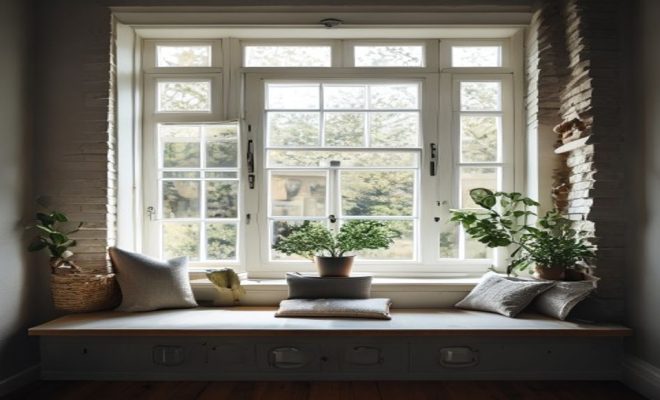
A window seat can transform the ambiance of any room, blending practicality with comfort and style. Whether you’re looking to create a cozy reading nook or a functional storage area, understanding the intricacies of window seat design will help you maximize both aesthetics and functionality. In this guide, we’ll explore how to make a window seat that meets your needs, offers comfort, and elevates your home’s decor.
1. Understanding the Benefits of a Window Seat
Before diving into the practicalities of building a window seat, it’s essential to understand its benefits. A well-designed window seat can serve various purposes:
- Maximized Space: In smaller homes or rooms, window seats can utilize otherwise wasted space, providing extra seating without sacrificing valuable floor area.
- Natural Light: A window seat brings the outdoors in, allowing natural light to flood the space, which can enhance your mood and overall well-being.
- Versatile Functionality: From serving as a reading nook to a place for kids to play, window seats can adapt to your lifestyle needs.
- Increased Home Value: A well-designed window seat can be a selling point for potential buyers, adding charm and character to your property.
2. Choosing the Right Location
The first step in window seat design is selecting the ideal location. Consider the following factors:
- Natural Light: Opt for locations that enjoy ample sunlight during the day. East-facing windows are great for morning light, while west-facing windows can warm up afternoon spaces.
- View: Position your seat where you can enjoy the best views, whether it’s a bustling street, a serene garden, or a city skyline.
- Room Function: Ensure the window seat complements the room’s primary function, such as a living room, bedroom, or kitchen.
Measure the area carefully to ensure that the seat will fit comfortably without obstructing pathways or doorways. Think about how you will use the space, and visualize how the window seat will enhance your daily routine.
3. Designing Your Window Seat
Now comes the fun part: designing your window seat. Here are some options to consider:
- Built-in vs. Freestanding: Built-in window seats offer a seamless look, while freestanding options can be moved around for flexibility.
- Size and Shape: The dimensions of your window seat should reflect its purpose. A long and wide seat can accommodate multiple people, while a smaller, cozy nook can be perfect for one.
- Materials: Choose materials that match your home’s aesthetic. Wood offers warmth, while metal provides a modern touch. Upholstery can add comfort and style through colors and patterns.
Consider incorporating storage solutions, like drawers or benches, beneath the seat. This can help keep the area tidy and organized, making it both functional and visually pleasing.
4. Building Your Window Seat
Once you have a design, it’s time to get down to the nitty-gritty of construction. Here’s a simplified process:
- Gather Materials: You’ll need wood for the frame, comfortable cushions, and fabric for upholstery. Make sure to get high-quality materials for durability.
- Create a Frame: Measure and cut the wood to create a sturdy frame that fits snugly beneath the window. Use screws and wood glue for added strength.
- Add a Support Base: Attach a plywood base to the frame to support the seat cushions.
- Upholster the Seat: Cut the foam to size and cover it with fabric. Secure the fabric to the base, ensuring a tight fit without wrinkles.
- Finishing Touches: Paint or stain the wood to match your decor. You can also add decorative elements, such as pillows or throws, for comfort.
If you’re not handy with tools, consider hiring a professional carpenter or a handyman. A quality build will ensure your window seat lasts for years. (See: What is a window seat?.)
5. Decorating Your Window Seat
Your window seat design isn’t complete without some thoughtful decor. The right touches can elevate the space:
- Cushions and Pillows: Use a variety of sizes and textures to create a cozy atmosphere. Opt for weather-resistant fabrics if the seat is exposed to sunlight.
- Throws and Blankets: Adding a warm blanket can make your window seat even more inviting, especially during cooler months.
- Plants: Incorporating plants can enhance the natural feel of your window seat. Choose low-maintenance options that thrive in indirect light.
Consider your color scheme and overall room decor when selecting these items. Cohesive design will make your window seat a seamless part of the room.
6. Functional Ideas for Your Window Seat
While the aesthetic is essential, functionality should also be a priority. Here are some multifunctional ideas that maximize your window seat’s potential:
- Reading Nook: Add a small bookshelf nearby to create a dedicated reading corner. Consider adjustable lighting for late-night reading.
- Storage Solutions: Use the space beneath the seat for storage bins or drawers to keep books, toys, or blankets organized.
- Workspace: Transform your window seat into a small workspace by adding a small desk or folding table.
Flexibility is key; think about how your needs may change over time and design accordingly.
7. Maintaining Your Window Seat
A window seat will require some upkeep to keep it looking great. Here are some maintenance tips:
- Clean Regularly: Dust and vacuum the cushions and surrounding areas to prevent buildup.
- Check for Damage: Regularly inspect the seat for wear and tear, especially if it’s used frequently. Repair any issues promptly to extend its lifespan.
- Protect from Elements: If your window seat is exposed to sunlight or moisture, consider using UV-resistant fabrics and water-repellent finishes on wooden components.
By committing to regular maintenance, you can ensure that your window seat remains a beautiful and functional part of your home.
8. Incorporating Technology into Your Window Seat Design
In today’s tech-savvy world, integrating technology into your window seat can enhance its functionality. Here are some trends to consider:
- Charging Stations: Install power outlets or USB ports in the design to keep your devices charged while you relax.
- Smart Lighting: Use smart bulbs to control the lighting from your phone. This can create the perfect ambiance for reading or watching the sunset.
- Audio Systems: Consider adding built-in speakers for music or podcasts to create a more immersive experience.
These tech integrations can make your window seat a truly modern oasis.
9. Current Trends in Window Seat Design
As with any home decor element, window seat design trends evolve over time. Here are a few current trends that are gaining popularity:
- Minimalist Designs: Simple, clean lines and neutral colors are becoming more prevalent, focusing on functionality and open space.
- Eclectic Styles: Mixing textures and patterns can create a personalized look. Combine different fabrics for cushions and throws to reflect your style.
- Nature-Inspired Elements: Incorporating natural materials like reclaimed wood and stone can create a warm, inviting atmosphere.
Staying informed about these trends can help you design a window seat that feels contemporary and appealing. (See: Healthy Homes Initiative.)
10. Window Seat Design Examples
To get your creativity flowing, let’s explore some inspiring examples of window seat designs:
- Classic Bay Window Seat: A traditional bay window seat, upholstered in a soft fabric, can serve as a charming spot to enjoy a morning coffee while basking in sunlight.
- Modern Minimalist Window Seat: A sleek, floating window seat made of natural wood with minimalist cushions can provide a clean, contemporary look that works well in modern homes.
- Corner Window Seat: Utilizing a corner space, this design wraps around two walls, providing ample seating and storage with built-in shelves above.
- Outdoor Window Seat: Incorporating an outdoor area, a weather-resistant window seat can create a seamless flow from indoor to outdoor living, perfect for enjoying nature.
- Reading Nook Window Seat: Featuring built-in bookshelves and soft lighting, this design creates an inviting reading nook, perfect for book lovers.
Each of these designs illustrates how a window seat can serve different purposes while enhancing the beauty of the space.
11. Statistics on Window Seats and Home Value
Investing in a window seat design not only improves your home’s aesthetics but also its value. Here are some key statistics:
- According to real estate experts, homes with well-designed and functional window seats can see a property value increase of up to 10%.
- A survey by the National Association of Realtors revealed that 85% of homebuyers consider natural light to be a crucial factor in their home-buying decision.
- In cities where space is limited, like New York City, a well-placed window seat can set a property apart, attracting buyers willing to pay a premium for unique features.
These statistics highlight the potential return on investment that a thoughtfully designed window seat can provide.
12. Expert Perspectives on Window Seat Design
Getting insights from experts in home design can provide valuable knowledge for your window seat project. Here are some perspectives:
- Interior Designers: Many interior designers suggest that window seats should complement the overall style of the home. They recommend using colors and materials found elsewhere in the room to create a cohesive look.
- Architects: Architects advise homeowners to think about the view and the sun’s path when designing a window seat. The placement should maximize daylight and provide a pleasant view.
- Real Estate Agents: Real estate professionals emphasize the importance of functionality—suggesting that potential buyers appreciate window seats that offer storage or additional seating.
13. FAQs about Window Seat Design
If you’re considering adding a window seat to your home, you probably have some questions. Here are common inquiries and their answers:
- What is the best height for a window seat? Typically, window seats are designed to be 18 to 20 inches high, similar to standard chairs, to ensure comfort.
- Can I add heating or cushions to my window seat? Absolutely! Adding a heating pad beneath the cushion can make the seat cozy during winter months.
- How do I ensure my window seat is weather resistant? Use marine-grade materials for outdoor window seats and choose UV-resistant fabrics to prevent fading.
- Is it possible to DIY a window seat? Yes, many homeowners successfully create their own window seats with the right tools and materials. Plenty of tutorials are available online for guidance.
- What style of window seat is best for my home? The style should reflect your overall home decor. Consider whether you want a modern, rustic, traditional, or eclectic design.
These FAQs can help clarify some of the most common concerns and guide your design process. (See: How natural light affects our health.)
14. Incorporating Color and Patterns
Color and patterns can have a significant impact on the overall ambiance of your window seat. When selecting upholstery, consider the following:
- Color Psychology: Different colors evoke various feelings. Soft blues and greens can create a calming environment, while vibrant reds and yellows can add energy and warmth.
- Patterns: Using patterned fabrics can add depth and character to your window seat. Stripes can elongate the space while florals can inject a touch of nature.
- Mix and Match: Don’t be afraid to mix patterns as long as they share a color palette. This technique can create a vibrant and inviting look.
Take a cue from your existing decor to ensure that the window seat harmonizes with the rest of the room.
15. Creating a Cozy Atmosphere
To make your window seat an inviting retreat, think about how to create a cozy atmosphere. Here are some tips:
- Layering Textiles: Combine different textures through cushions, throws, and even rugs. This layering adds depth and warmth to the space.
- Lighting: Use soft, ambient lighting to create a warm glow. Consider string lights or a small lamp on a side table for added coziness.
- Personal Touches: Display items that reflect your personality, such as framed photos or favorite books, to make the space feel more personal.
16. Accessibility Considerations
When designing a window seat, accessibility is an important factor to consider. Here are some guidelines:
- Height: Ensure that the seat is at a comfortable height for everyone who might use it. Consider lower seating options for children or those with mobility challenges.
- Space Around the Seat: Leave adequate space around the window seat to allow easy access, especially if it’s in a high-traffic area.
- Safety Features: If children or pets will use the space, ensure the seat is sturdy and consider adding safety features, such as rounded edges.
17. Window Seat Design for Different Room Types
Your choice of window seat design can vary significantly depending on the room type. Here are some ideas for popular spaces:
- Living Room: A spacious window seat in the living room can serve as additional seating during gatherings. It can be designed to complement your existing furniture and decor.
- Bedroom: A window seat in a bedroom can serve as a perfect reading nook or a quiet spot to enjoy the morning sun, contributing to a serene atmosphere.
- Kitchen: In kitchens, a window seat can create a cozy spot for breakfast or casual dining, especially in homes with open floor plans.
- Home Office: If you have a home office, a window seat can double as a small brainstorming space where you can relax and recharge.
A window seat is more than just a design feature; it’s a unique space that adds character and functionality to your home. With careful planning and a bit of creativity, you can create a stunning window seat design that will be enjoyed for years to come. So, gather your materials and get started on this rewarding project!
“`
Trending Now
Frequently Asked Questions
What are the benefits of having a window seat?
A window seat maximizes space by utilizing otherwise wasted areas, provides natural light that can enhance your mood, offers versatile functionality as a reading nook or play area, and can increase your home's value by adding charm and character.
How do I choose the right location for a window seat?
Select a location that receives ample natural light, offers a pleasant view, and complements the room's function. Measure the area to ensure the seat fits comfortably without obstructing pathways or doorways.
What materials are best for building a window seat?
Ideal materials for a window seat include sturdy wood for the frame, comfortable upholstery for cushions, and durable finishes that can withstand wear. Consider materials that match your home decor and provide comfort.
Can a window seat be used for storage?
Yes, a window seat can be designed to include storage space underneath the seat. This functional aspect allows you to keep items like blankets, books, or toys neatly tucked away while maximizing the use of space.
How do I style a window seat?
Style your window seat with comfortable cushions, decorative throws, and even a small side table for drinks or books. Incorporating plants or artwork nearby can enhance the ambiance and make the space inviting.
Agree or disagree? Drop a comment and tell us what you think.