Elevate Your Veggie Tray: From Afterthought to Party Star
“`html
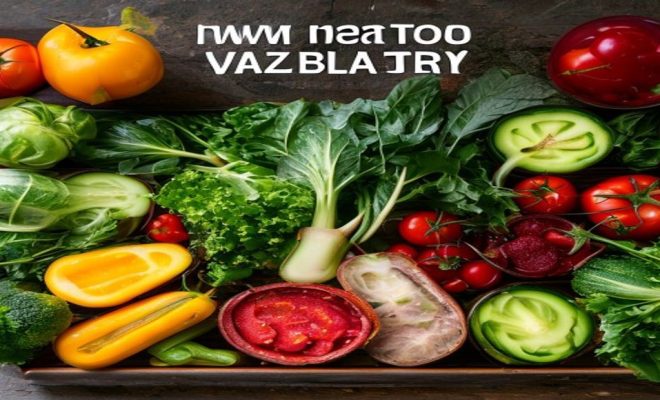
When you’re planning a party or even just a casual get-together, the humble vegetable tray often feels like an afterthought, doesn’t it? It’s that reliable, healthy option you throw together because, well, someone has to bring something green. But what if I told you that your next vegetable tray could be the star of the show? Forget those tired, pre-packaged assortments with wilting celery sticks and sad baby carrots. We’re talking about elevating the vegetable tray from a mere obligation to a vibrant, appealing, and utterly delicious centerpiece that guests will actually rave about.
Creating an exceptional vegetable tray isn’t just about chopping up some produce and arranging it. It’s about thoughtful selection, smart preparation, and creative presentation. It’s about understanding textures, colors, and flavors, and how they work together to create an experience. Think beyond the usual suspects and embrace a wider world of edible delights. From exotic dips to unexpected veggie pairings, these ten vegetable tray ideas are designed to inspire you, make your hosting life easier, and leave your guests genuinely impressed. Let’s ditch the bland and embrace the brilliant, transforming your next veggie platter into something truly memorable.
1. The Classic Crowd-Pleaser, Elevated: Beyond the Basics
Let’s start with the familiar, but with a significant upgrade. The classic vegetable tray often features carrots, celery, and perhaps some broccoli and bell peppers. There’s nothing inherently wrong with these, but they can quickly become monotonous. To elevate this foundational concept, focus on variety in both color and texture. Instead of just orange carrots, include purple and yellow varieties. Swap standard green bell peppers for a mix of red, yellow, and orange. Add snap peas for their satisfying crunch, and perhaps some crisp radishes for a peppery bite and vibrant hue. Cherry tomatoes, in various colors, are always a welcome addition.
The key here isn’t to reinvent the wheel, but to refine it. Ensure all your vegetables are impeccably fresh, thoroughly washed, and cut uniformly for a polished look. Blanching certain vegetables, like broccoli florets or asparagus spears, for a minute or two can enhance their color and tender-crisp texture. For dips, move past bottled ranch. A homemade Greek yogurt dip with fresh dill and lemon, a creamy hummus, or a roasted red pepper dip will instantly elevate the entire offering. Presentation also matters: arrange veggies in distinct sections, perhaps fanned out or spiraled, rather than just piled haphazardly. A beautiful serving platter can make all the difference.
2. Mediterranean Mezze Marvel: A Taste of the Old World
Transport your guests to the sun-drenched shores of the Mediterranean with a mezze-inspired vegetable tray. This concept naturally lends itself to an abundance of fresh vegetables and flavorful dips. Think beyond just raw crudités and incorporate marinated elements. Cherry tomatoes, cucumber slices, and bell pepper strips are essential, but add artichoke hearts (marinated or fresh), Kalamata olives, and perhaps some dolmades (stuffed grape leaves) for an authentic touch. Roasted red peppers, either homemade or from a jar, are another fantastic addition.
For dips, hummus is a must, but consider adding a vibrant baba ghanoush (smoked eggplant dip) or a tangy tzatziki (cucumber-yogurt dip). A small bowl of good quality olive oil for drizzling, perhaps with a sprinkle of za’atar, can tie everything together. Don’t forget some warm pita bread or crunchy pita chips for scooping up all that deliciousness. A sprinkle of fresh parsley or mint over the tray adds both color and aroma, making this vegetable tray idea feel truly special and inviting.
3. Garden Harvest Gathering: Seasonal and Local Focus
Embrace the bounty of the season with a vegetable tray that highlights fresh, local produce. This approach not only ensures the best flavor but also supports local farmers. Visit your local farmers’ market and let the seasonal availability guide your choices. In spring, you might find tender asparagus, sweet snap peas, and delicate radishes. Summer brings an explosion of colorful bell peppers, heirloom tomatoes, and crisp cucumbers. Fall offers a range of root vegetables like carrots and parsnips, which can be roasted and served warm or at room temperature, alongside Brussels sprouts.
The beauty of a seasonal tray is its inherent freshness and superior taste. Pair these pristine vegetables with simple, complementary dips that don’t overpower their natural flavors. A light vinaigrette, a fresh herb dip, or even just a high-quality sea salt with some good olive oil can be perfect. The presentation can be rustic and charming, reflecting the farm-to-table aesthetic. This type of vegetable tray isn’t just a snack; it’s a celebration of nature’s offerings, demonstrating a thoughtful approach to food that guests will appreciate. (See: Nutrition information from the CDC.)
4. Rainbow Rhapsody: A Feast for the Eyes
Who says healthy can’t be stunning? A rainbow-themed vegetable tray is a visual masterpiece that will undoubtedly draw attention. The goal here is to arrange vegetables in a vibrant spectrum of colors, making the tray as appealing to the eyes as it is to the palate. Think red bell peppers, cherry tomatoes, and radishes; orange carrots and sweet potatoes (lightly steamed); yellow bell peppers and corn (off the cob, in a small bowl); green cucumbers, broccoli, snap peas, and edamame; blue/purple cabbage (finely shredded) or purple carrots; and even white cauliflower or jicama sticks.
The arrangement is crucial for this vegetable tray idea. Create distinct bands or concentric circles of color. This requires careful cutting and thoughtful placement. For dips, keep them neutral in color, like a white bean dip or a classic hummus, so they don’t detract from the rainbow effect. A sprinkle of fresh herbs can add a touch of green and freshness. This tray is particularly fantastic for children’s parties, as the playful colors can encourage even picky eaters to try new things. It’s a testament to the fact that healthy eating can be incredibly beautiful and fun.
5. Roasted & Raw Revival: The Best of Both Worlds
While raw crudités are a staple, incorporating some roasted vegetables adds an incredible depth of flavor and texture to your vegetable tray. Roasting brings out the natural sweetness in vegetables and gives them a tender-crisp quality that’s wonderfully satisfying. Imagine sweet potato wedges, asparagus spears, Brussels sprouts, or even broccoli florets, lightly tossed in olive oil, salt, and pepper, then roasted until caramelized. These can be served warm or at room temperature alongside your fresh raw selections.
The contrast between the crisp freshness of raw vegetables (like bell peppers, cucumbers, and cherry tomatoes) and the tender, savory notes of roasted ones creates a more complex and engaging eating experience. For dips, consider something robust that pairs well with both profiles, such as a smoky romesco sauce, a spicy harissa yogurt dip, or a rich balsamic glaze for drizzling. This approach elevates the humble vegetable tray into a more sophisticated appetizer, demonstrating versatility and a culinary touch that goes beyond simple chopping.
6. The Asian-Inspired Adventure: Fresh and Zesty
Take your vegetable tray in an exciting new direction with an Asian-inspired theme. This opens up a world of fresh flavors and interesting textures. Think crisp jicama sticks, refreshing cucumber spears, vibrant red bell pepper strips, and tender-crisp blanched snap peas or asparagus. Edamame, either in the pod or shelled, is a fantastic protein-rich addition. Thinly sliced carrots, perhaps julienned, and even some crunchy bok choy leaves can be included. Consider adding some water chestnuts or bamboo shoots for an authentic touch of crunch.
The dips are where the Asian influence truly shines. A creamy peanut dipping sauce, a sesame-ginger vinaigrette, or a sweet chili sauce would be perfect. You could also offer a simple soy sauce mixed with a dash of rice vinegar and a sprinkle of sesame seeds. For an extra flourish, garnish the tray with toasted sesame seeds or fresh cilantro. This vegetable tray idea is light, refreshing, and offers a delightful departure from traditional Western flavors, making it a unique and memorable offering.
7. Spicy Southwestern Sensation: A Kick of Flavor
If you’re looking to add some heat and bold flavors to your appetizer spread, a Southwestern-themed vegetable tray is an excellent choice. This concept encourages the use of vibrant vegetables and zesty dips. Think colorful bell pepper strips (red, yellow, orange), jicama sticks for crunch, and even some sliced radishes. Cherry tomatoes, black olives, and corn (fresh or lightly steamed, served in a small bowl) fit perfectly here. Consider adding strips of grilled or roasted poblano peppers for a smoky, mild heat.
The dips are crucial for this theme. A chunky guacamole, a vibrant salsa (perhaps a corn and black bean salsa), or a creamy chipotle ranch dip will really bring the flavors home. You could also include a small bowl of lime wedges for a fresh squeeze. For a little extra texture, offer some baked tortilla chips or even some homemade seasoned pita chips. This vegetable tray idea is incredibly flavorful and satisfying, perfect for a casual gathering or a game day spread, offering a delightful kick that guests will love. (See: Healthy eating guidelines from NIH.)
8. Fruit & Veggie Fusion: Sweet and Savory Harmony
Why limit yourself to just vegetables when you can combine them with the natural sweetness of fruit? A fruit and veggie fusion tray offers a delightful balance of sweet and savory, making it incredibly appealing. Imagine crisp cucumber slices, bell pepper strips, and celery alongside juicy grapes, sweet melon cubes (cantaloupe, honeydew), fresh berries (strawberries, blueberries), and perhaps even some apple slices (tossed in lemon juice to prevent browning). Cherry tomatoes can bridge the gap between sweet and savory, offering a burst of flavor.
The key to a successful fusion tray is thoughtful pairing. Choose fruits and vegetables that complement each other in flavor and texture. For dips, consider lighter options that won’t compete with the natural sweetness. A simple honey-lime yogurt dip, a light cream cheese fruit dip, or even just a plain Greek yogurt with a drizzle of honey would work beautifully. This vegetable tray idea is particularly refreshing and makes for a fantastic option for brunches, showers, or any occasion where you want something a little different and delightfully fresh.
9. Pickled & Fermented Fun: Tangy and Gut-Healthy
For something truly unique and incredibly flavorful, consider a vegetable tray that incorporates pickled and fermented elements. This adds a fantastic tangy punch and a wonderful textural contrast. Alongside your fresh crudités like carrots and cucumbers, include a selection of pickled vegetables. Think homemade quick-pickled onions, dill pickles (sliced into spears), pickled green beans, or even some spicy pickled carrots. Fermented options like kimchi or sauerkraut (served in small bowls) can also be a surprising and delicious addition for the adventurous palate.
The tangy, briny flavors of these additions mean you might not even need heavy dips. A light, creamy dip like a dill yogurt sauce, or a simple mustard-based dip, could complement them well. The visual appeal of jars or bowls of colorful pickled items can also be quite charming. This vegetable tray idea is not only packed with flavor but also offers gut-healthy benefits, appealing to those looking for something a bit more gourmet and health-conscious. It’s a conversation starter and a testament to thinking outside the traditional veggie box.
10. The Deconstructed Salad Bar: Interactive and Customizable
Turn your vegetable tray into an interactive experience by offering a ‘deconstructed salad bar’ style platter. Instead of pre-mixing everything, present a variety of individual components that guests can mix and match to create their perfect bite. This encourages engagement and caters to individual preferences. Offer bowls of mixed greens (like spring mix or romaine hearts), cherry tomatoes, cucumber slices, bell pepper strips, shredded carrots, red onion slivers, and perhaps some roasted chickpeas or sunflower seeds for crunch.
Crucially, provide an assortment of dressings and dips in separate small bowls. Think a classic vinaigrette, a creamy Caesar, and a lighter lemon-tahini dressing. You could even include some crumbled feta or goat cheese in a separate dish. This approach gives guests creative control, making the vegetable tray feel less like a pre-determined offering and more like a customizable culinary adventure. It’s especially great for gatherings where you want to encourage a bit of culinary exploration and conversation around the food.
Beyond the Platter: Innovative Presentation Techniques
We’ve talked a lot about the ingredients and themes, but the way you present your vegetable tray can make an enormous difference. It’s not just about the food; it’s about the art of display. Think about your serving vessels. A rustic wooden board can be perfect for a Mediterranean or Garden Harvest theme, while a sleek white ceramic platter might better suit a Rainbow Rhapsody. Don’t limit yourself to flat surfaces; varying heights can add drama and visual interest. Try using small ramekins or shot glasses for individual servings of dips, or even to hold slender vegetables like carrot sticks or asparagus spears upright. (See: Healthy diet facts from WHO.)
Consider the arrangement itself. Instead of just piling veggies, create patterns. Spirals, concentric circles, or even radiating lines can turn a simple assortment into a work of art. Use small edible garnishes like fresh herb sprigs (parsley, cilantro, mint), lemon wedges, or even edible flowers to add pops of color and freshness. Don’t underestimate the power of lighting – a well-lit tray looks infinitely more appealing. If you’re hosting an outdoor event, keep the tray cool and covered to maintain freshness, perhaps by placing it on a bed of ice if it’s a particularly hot day.
The Science of Snacking: Why Veggies are a Party Powerhouse
Beyond looking great and tasting delicious, vegetable trays are nutritional powerhouses. Offering a vibrant veggie spread isn’t just a polite gesture; it’s a smart choice for your guests’ health and their overall party experience. Packed with vitamins, minerals, and fiber, vegetables provide sustained energy without the sugar crash associated with many other party snacks. They’re naturally low in calories and high in water content, helping guests feel satisfied without overdoing it.
From a psychological perspective, having healthy options readily available can actually encourage guests to make better choices. People often appreciate having a lighter alternative, especially if they know they’ll be indulging in other richer foods later. Plus, the array of colors on a well-designed vegetable tray is inherently appealing, signaling freshness and vitality. It’s a subtle way to show you care about your guests’ well-being, while still providing an incredibly enjoyable eating experience. Think of it as guilt-free grazing that everybody can appreciate.
Expert Tips for Next-Level Vegetable Tray Ideas
To truly master the art of the vegetable tray, here are a few pro tips that can take your offering from good to unforgettable:
- Prep Ahead, Always: Most vegetables can be washed, peeled, and cut a day in advance. Store them in airtight containers with a damp paper towel to maintain crispness. This significantly reduces last-minute stress.
- The Ice Bath Trick: For extra crispness, especially with watery vegetables like cucumbers, bell peppers, or even radishes, give them an ice bath for 15-20 minutes after cutting. Pat them thoroughly dry before arranging.
- Flavor Infusion: Don’t be afraid to lightly season your raw vegetables. A sprinkle of flaky sea salt, a crack of black pepper, or a light mist of good olive oil can enhance their natural flavors.
- Dip Diversity: Always offer at least two to three different dips to cater to various tastes. Aim for a creamy option, a zesty option, and perhaps something with a kick. Labeling them is a nice touch, especially for homemade ones.
- Consider Allergies/Dietary Needs: Be mindful of common allergies or dietary restrictions. Offer a gluten-free dip, a dairy-free option, or clearly label ingredients if you know you have guests with specific needs.
- Temperature Matters: Most raw vegetables and dips are best served chilled. Roasted vegetables can be served warm or at room temperature, but avoid serving anything too hot on a mixed tray.
- Sustainability Savvy: Try to source local and organic produce when possible. This not only tastes better but is also better for the environment. Minimize single-use plastics in your presentation.
Frequently Asked Questions About Vegetable Trays
- Q: How far in advance can I prepare my vegetable tray?
- A: Most vegetables can be washed, peeled, and cut 1-2 days in advance. Store them separately in airtight containers in the refrigerator, ideally with a damp paper towel to keep them fresh and crisp. Assemble the tray no more than a few hours before serving for optimal appearance and texture.
- Q: What are the best dips for a vegetable tray?
- A: The “best” dips depend on your theme and personal preference, but popular choices include hummus (classic, roasted red pepper, garlic), Greek yogurt dips (dill, ranch, tzatziki), creamy avocado dip (guacamole), spinach artichoke dip (served cold), white bean dip, or a simple vinaigrette. Offering a variety ensures there’s something for everyone.
- Q: How do I keep vegetables from drying out or wilting on the tray?
- A: Proper storage before assembly is key (airtight containers, damp paper towel). Once assembled, cover the tray with plastic wrap and keep it refrigerated until just before serving. For outdoor events, consider placing the serving platter on a larger tray filled with ice to keep everything cool.
- Q: Can I include fruit on a vegetable tray?
- A: Absolutely! Our “Fruit & Veggie Fusion” idea specifically suggests this. Fruits like grapes, berries, melon, and apple slices (tossed in lemon juice to prevent browning) pair wonderfully with many vegetables and add a delightful sweet contrast. Just ensure the flavors complement each other.
- Q: What’s a good way to make a vegetable tray more appealing to kids?
- A: Kids love color and fun shapes! The “Rainbow Rhapsody” idea is perfect. Use cookie cutters to make star or animal shapes from cucumber or bell peppers. Offer fun, mild dips like a sweet potato hummus or a mild ranch. Arrange veggies in a playful way, like a smiley face or a garden scene.
- Q: How much vegetable tray should I prepare per person?
- A: As a general rule for appetizers, plan for about 4-6 pieces of vegetable per person. If the vegetable tray is one of many appetizers, you can lean towards the lower end. If it’s a primary healthy snack, aim for the higher end. Always err on the side of having a little extra.
As you can see, the possibilities for transforming a simple vegetable tray are truly endless. By thinking creatively about selection, preparation, and presentation, you can turn this often-overlooked appetizer into a vibrant, delicious, and memorable part of any gathering. Don’t be afraid to experiment with new vegetables, homemade dips, and different cultural inspirations. Your guests (and your taste buds) will thank you for it!
“`
Trending Now
- our breakdown of a visitors guide to northshore, new zealand
- our breakdown of what’s on a high school transcript? understanding the components
- “5 Evidence-Based Strategies to Improve Math Fluency in Middle School Classrooms”
- this guide on the role of fine motor skills in kindergarten readiness and academic success
Frequently Asked Questions
What are some ideas for a vegetable tray?
To create an impressive vegetable tray, consider using a variety of colorful vegetables such as purple and yellow carrots, a mix of bell peppers, snap peas, radishes, and cherry tomatoes. Incorporate unique dips and unexpected pairings to elevate the experience and make the tray visually appealing.
How do you make a vegetable platter look appealing?
To enhance the visual appeal of your vegetable platter, focus on using a variety of colors and textures. Arrange vegetables in an artistic way, interspersing different shapes and sizes. Adding garnishes like herbs or edible flowers can also elevate the presentation.
What vegetables should be included in a vegetable tray?
A well-rounded vegetable tray should include a mix of crunchy and colorful options. Consider using carrots, bell peppers, cucumbers, cherry tomatoes, snap peas, and radishes. You can also add unique varieties like purple carrots or heirloom tomatoes for added interest.
How can I make my vegetable tray healthier?
To create a healthier vegetable tray, focus on fresh, whole vegetables and pair them with nutritious dips like hummus or yogurt-based dressings. Avoid processed dips and include a variety of raw vegetables to maximize nutritional value.
What dips go well with a vegetable tray?
When serving a vegetable tray, consider offering a range of dips such as hummus, tzatziki, guacamole, or a yogurt-based ranch dip. These options complement the freshness of the vegetables and provide a flavorful contrast.
Agree or disagree? Drop a comment and tell us what you think.