Master the Art of the Perfect Homemade Hamburger
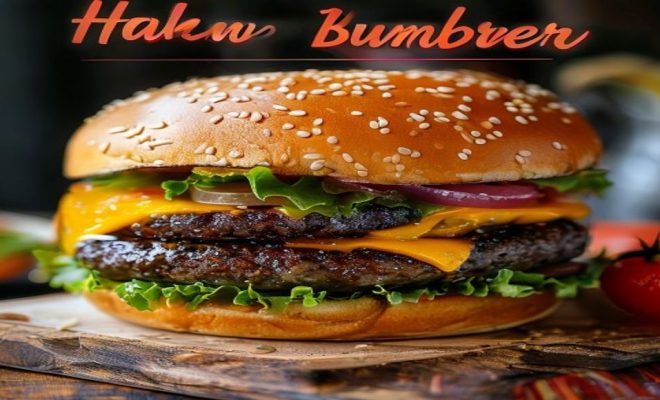
“`html
There’s something undeniably appealing about a well-made hamburger. Juicy, flavorful, and endlessly customizable, they can be the centerpiece of a summer barbecue or a quick weeknight dinner. But have you ever wondered how to make a hamburger that stands out from the crowd? Whether you’re a novice cook or an experienced grill master, honing the art of hamburger-making can elevate your culinary skills and impress your guests. Here’s a comprehensive look at how to make a hamburger that’s not only delicious but also caters to personal tastes and dietary preferences.
1. The Basics of Hamburger Composition
Before diving into the specifics of how to make a hamburger, it’s essential to understand its basic components: the patty, the bun, and the toppings. Each element plays a crucial role in the overall experience. The patty is typically made from ground beef, but alternatives like turkey, chicken, or even plant-based options have become increasingly popular. The bun should complement the patty without overwhelming it, and toppings can range from classic lettuce and tomato to gourmet options such as avocado or specialized sauces. Related reading: top grills for 2023.
When choosing your ground meat, look for an 80/20 meat-to-fat ratio for juicy, flavorful patties. The fat in the meat helps keep the patty moist during cooking, which is particularly vital if you prefer your burgers cooked to medium doneness. Additionally, selecting high-quality meat from a reputable source can significantly enhance the flavor of your hamburger.
2. Choosing the Right Equipment
To make the perfect hamburger, the equipment you use can make a big difference. A grill is often the go-to for many enthusiasts, but stovetops and griddles can work just as well. If you opt for grilling, consider using a charcoal grill for that authentic smoky flavor, or a gas grill for convenience and control over the cooking temperature.
Don’t underestimate the importance of a good spatula and a meat thermometer. A sturdy spatula is essential for flipping your patties without breaking them apart, while a thermometer will help ensure your hamburger reaches the desired doneness without being overcooked. For those who prefer a more controlled cooking process, a cast-iron skillet can lend a perfect sear to your patties.
3. Crafting the Perfect Patty
Now that you know the basics and have the right tools, it’s time to focus on crafting the perfect patty. Start by gently mixing your ground meat with seasonings—salt and pepper are usually sufficient, but you can also experiment with garlic powder, onion powder, or Worcestershire sauce for added flavor. Be careful not to overmix; doing so can lead to tough patties.
Next, divide the meat into equal portions and shape them into patties. Aim for about ¾-inch thickness, allowing them to cook evenly. An excellent tip is to create a slight indentation in the center of each patty. This helps them cook uniformly and prevents them from puffing up during grilling. Remember, the key here is to handle the meat as little as possible to maintain tenderness.
4. Seasoning: The Secret Ingredient
One of the most significant factors in how to make a hamburger truly memorable is the seasoning. While many people default to simply salt and pepper, experimenting with different spices can take your burgers to the next level. Consider a blend of smoked paprika, cumin, and chili powder for a southwestern kick, or Italian herbs for a Mediterranean flavor profile.
Moreover, don’t shy away from incorporating specialty sauces into your ground meat mixture. Some chefs swear by adding a spoonful of mayonnaise or Dijon mustard directly into the meat for added moisture and flavor. The right seasoning not only enhances the taste of the patty but also complements the toppings and other ingredients you choose.
5. Cooking Techniques: Grill, Fry, or Bake?
When it comes to how to make a hamburger, the method of cooking can significantly affect the final product. Grilling is the most traditional approach, offering that unique charred flavor and delicious grill marks. However, pan-frying allows you to retain more juices and can produce a lovely crust on the outside of your patty. (See: Healthy eating guidelines from CDC.)
For the best results, preheat your grill or skillet to a high temperature before adding the patties. This searing process locks in the juices and enhances the flavor. Aim to cook your patties for about 3-4 minutes on each side for medium-rare, adjusting the time according to your desired doneness. Remember to let the patties rest for a few minutes after cooking; this allows the juices to redistribute, resulting in a juicier burger.
6. Bun Selection: The Foundation of Your Burger
Choosing the right bun is just as crucial as making a perfect patty. A good hamburger bun should be sturdy enough to hold up against the juicy patty and toppings without falling apart. Classic choices include sesame seed and brioche buns, but you might also consider whole wheat or gluten-free options to cater to different dietary needs.
To elevate your burger, consider toasting the buns on the grill or in a skillet. This process adds a delightful crunch while also creating a barrier against moisture, preventing sogginess. Don’t forget that the size of the bun should match the patty; a bun too large or too small can disrupt the balance of flavors and textures.
7. Creative Toppings: Go Beyond the Basics
Once you’ve mastered how to make a hamburger, it’s time to get creative with toppings. While lettuce, tomato, and onions are classic choices, why not experiment with gourmet ingredients? Consider adding caramelized onions, sautéed mushrooms, or even blue cheese for a new flavor dimension. Avocado and fried eggs are also trendy options that can add richness and creaminess.
In addition to traditional condiments like ketchup and mustard, you can explore specialty sauces such as sriracha mayo, garlic aioli, or barbecue sauce. These little touches can take your hamburger from ordinary to extraordinary. Remember, the key is to balance flavors; if your patty is rich and fatty, consider lighter toppings to ensure a harmonious blend. recommended grilling options offers useful background here.
8. Saving Leftovers: Making the Most of Your Burger
What if you’ve made too many burgers, or simply want to enjoy your creation later? Proper storage and reheating can ensure that your homemade hamburgers stay delicious even after the first serving. Refrigerate leftover patties within two hours of cooking, and store them in an airtight container.
When you’re ready to enjoy your leftovers, reheating can be done in various ways. For the best results, consider using the oven. Preheat it to 350°F and place the patties on a baking sheet, covering them with foil to retain moisture. Heat for about 10-15 minutes, or until warmed through. While the microwave is quicker, it can lead to a rubbery texture. Therefore, the oven method is preferred for maintaining the juiciness and taste of your hamburger.
9. Healthier Hamburger Alternatives
As you explore how to make a hamburger, you might also consider healthier alternatives. With growing dietary consciousness, many people are seeking options that align with their wellness goals. Leaner meats, such as ground turkey or chicken, offer lower calories while still providing protein. Additionally, plant-based patties made from ingredients like black beans, lentils, or chickpeas are fantastic options for vegetarians and vegans.
For those watching their carb intake, you can swap out traditional buns for lettuce wraps or portobello mushrooms. These alternatives not only reduce calories but also add unique textures and flavors to your burger experience. Remember, the key is to experiment with both flavors and ingredients, ensuring you find a combination that suits your dietary preferences without sacrificing taste.
10. Making it a Meal: Sides and Pairings
No hamburger is complete without the perfect sides. Classic choices like French fries and onion rings are always a hit, but you might want to consider healthier options like sweet potato fries or a fresh salad. Pairing your burger with a refreshing drink can also enhance the overall meal experience. Craft beers, sodas, or homemade lemonade can complement the flavors beautifully. (See: New York Times hamburger recipe.)
For an added touch, think about serving your hamburgers with unique accompaniments, such as coleslaw, pickles, or grilled vegetables. These sides not only elevate the meal but also introduce different textures and flavors that can make your burger night memorable. As you continue to hone your skills in how to make a hamburger, don’t hesitate to experiment with new ideas and combinations to keep things exciting.
11. Elevating Your Hamburger with Gourmet Ingredients
If you’re looking to impress your guests or just treat yourself to a gourmet burger, consider incorporating high-quality ingredients. For example, using grass-fed beef can provide a richer flavor and is often considered a healthier option due to its higher omega-3 fatty acid content compared to grain-fed beef. You could also experiment with different types of cheese, like aged cheddar, smoked gouda, or even burrata, for a creamy, decadent touch.
Don’t forget about specialty toppings like truffle aioli, pickled jalapeños, or even fried green tomatoes. Each of these additions can create a unique flavor profile that distinguishes your burger from standard fare. Try incorporating seasonal ingredients as well, like fresh herbs or heirloom tomatoes, to take advantage of local produce and enhance freshness.
12. Exploring Different Cuisines: International Hamburger Styles
One of the exciting aspects of hamburgers is their versatility across different cuisines. Take a trip around the world by exploring various regional styles of hamburgers. For instance, a Hawaiian burger might include grilled pineapple, teriyaki sauce, and a slice of ham, while a Mexican-inspired burger could feature guacamole, jalapeños, and pepper jack cheese. In Australia, the “burger with the lot” includes everything from a fried egg to beetroot, adding an unexpected twist to the traditional hamburger experience.
These international variations not only introduce new flavors but also help you appreciate the cultural significance of burgers in different regions. You can host a themed burger night where each guest creates their own version based on international inspirations, allowing for a fun and collaborative cooking experience.
13. Common Mistakes to Avoid When Making Hamburgers
Even seasoned cooks can make mistakes when it comes to making hamburgers. One common error is overworking the meat when forming patties, which can lead to a dense texture. Remember, handle the meat as little as possible to keep it tender. Another mistake is pressing down on the patties while they’re cooking; this releases juices and can lead to a dry burger. Instead, let the patties sear and develop a crust before flipping.
Additionally, many people forget to season the patties adequately before cooking. A sprinkle of salt and pepper on the outside just before grilling can enhance the flavor tremendously. Lastly, be cautious with your cooking times. Using a meat thermometer is the best way to ensure proper doneness without overcooking. Aim for 160°F for well-done burgers, but if you prefer medium-rare, pull them off the heat at around 130°F. For more on this, see 2023 grill buying guide.
14. Hamburger FAQs
Still have questions about how to make a hamburger? Here are some frequently asked questions that may help clear up any confusion:
- What type of meat is best for burgers? Ground beef with an 80/20 meat-to-fat ratio is commonly recommended for juicy burgers. However, you can also use ground turkey, chicken, or plant-based alternatives based on your preference.
- How long should I cook my hamburger? Cooking times can vary based on thickness and desired doneness. Generally, cook for about 3-4 minutes per side for medium-rare. Use a meat thermometer for accuracy.
- Can I freeze hamburger patties? Yes, hamburger patties can be frozen. Wrap them tightly in plastic wrap and place them in an airtight container to prevent freezer burn. They can be stored for up to three months.
- What toppings are best for a hamburger? Toppings are subjective, but some popular choices include lettuce, tomato, cheese, onions, pickles, and various condiments. Get creative and add unique toppings that resonate with your personal taste!
- How do I prevent my burger from falling apart? Avoid overworking the meat when forming the patties and ensure that they are shaped firmly but not too tightly. Also, chilling the patties for 30 minutes before cooking can help them hold their shape.
15. How to Make a Hamburger: Additional Tips and Tricks
Now that you have the basics down, here are some extra tips to elevate your hamburger-making game: (See: Scientific insights on hamburgers.)
- Experiment with Marination: If you have time, marinating your ground meat can infuse additional flavors. Consider a marinade with soy sauce, garlic, and ginger for an Asian twist or a blend of olive oil, lemon juice, and herbs for a Mediterranean flair.
- Use a Burger Press: For those who want perfectly shaped patties every time, a burger press can help. It ensures uniform thickness and size, leading to consistent cooking results.
- Grill Marks: If you want beautiful grill marks on your patties, rotate them 90 degrees halfway through cooking on each side. This technique creates an appealing visual presentation.
- Serve with Variety: When hosting burger parties, consider setting up a topping bar. Offer various cheeses, sauces, and veggies, allowing guests to customize their burgers to their liking.
- Check for Doneness: While a meat thermometer is the best way to check doneness, you can also do a simple cut test. A well-done burger will have clear juices, while medium-rare will have a slight pink center.
16. Pairing Wines and Beers with Your Hamburger
Choosing the right beverage can enhance your hamburger experience. A bold red wine, such as Cabernet Sauvignon, pairs well with beef’s rich flavors, while a lighter wine like Pinot Noir suits turkey or veggie burgers. When it comes to beer, a hoppy IPA complements spicy toppings, while a smooth stout can balance the richness of a cheeseburger. There’s a fuller look at grill cleaning tips.
Don’t forget about unique pairings, like a fruity wheat beer with grilled chicken burgers or a crisp lager that can refresh your palate after a bite of a spicy burger. The right drink can elevate the entire meal, making it memorable.
17. Environmental Considerations When Making Burgers
As we enjoy our hamburgers, it’s also important to think about sustainability. Consider sourcing ingredients locally to reduce your carbon footprint. Buying grass-fed beef or plant-based options can be more environmentally friendly than conventionally raised meats. Additionally, using organic produce supports sustainable farming practices.
When cooking, try to minimize waste by using leftover toppings and experimenting with vegetable scraps. For example, you can use leftover grilled veggies in a salad or as a topping for your next burger. Thinking about these factors can make your delicious hamburger-making experience more eco-conscious.
18. Mastering the Art of Burger Presentation
Don’t overlook the presentation of your burger. A visually appealing plate can enhance the dining experience. Use fresh herbs as garnishes or arrange your burgers on a wooden board for a rustic touch. Consider stacking your ingredients high for an impressive look and serve with colorful sides.
Using unique plates can also add flair. You might even want to use slate or marble slabs for a modern twist. Remember, we eat with our eyes first, so make your hamburgers not just tasty but also Instagram-worthy!
19. Conclusion: Mastering the Art of Hamburger Making
Making the perfect hamburger is an art form that combines the right ingredients with cooking techniques and creativity. As you experiment with flavors, ingredients, and cooking methods, you’ll find your own unique style that reflects your tastes and preferences. Remember, the joy of cooking comes not just from the final product, but from the experience of creating and sharing delicious food with others. So grab your tools, gather your ingredients, and get ready to master how to make a hamburger that you and your loved ones will cherish for years to come!
“`
Trending Now
Frequently Asked Questions
What ingredients do you need to make a hamburger?
To make a hamburger, you'll need a patty, bun, and toppings. The patty is usually made from ground beef, ideally with an 80/20 meat-to-fat ratio for juiciness. Buns should complement the patty, while toppings can include lettuce, tomato, avocado, or sauces to enhance flavor.
How do you choose the right meat for hamburgers?
For the best hamburgers, select ground meat with an 80/20 meat-to-fat ratio. This balance ensures juicy and flavorful patties. High-quality meat from a reputable source can significantly enhance your burger's taste, whether you opt for beef, turkey, chicken, or plant-based alternatives.
What cooking equipment is best for making hamburgers?
The best equipment for making hamburgers includes grills, stovetops, and griddles. Grilling provides an authentic smoky flavor, particularly with charcoal grills. Gas grills offer convenience and temperature control, while stovetops and griddles can also produce delicious results.
What are some popular hamburger toppings?
Popular hamburger toppings range from classic options like lettuce and tomato to gourmet choices such as avocado, bacon, cheese, and specialty sauces. Customizing toppings allows you to cater to personal tastes and create a unique flavor experience.
How do you cook a hamburger to medium doneness?
To cook a hamburger to medium doneness, aim for an internal temperature of 160°F (71°C). Use a meat thermometer to check the temperature, and remember that using ground meat with a good fat content helps maintain moisture and flavor during cooking.
What did we miss? Let us know in the comments and join the conversation.