Surge in Mental Health Calls Amid Rising Tensions in Iran
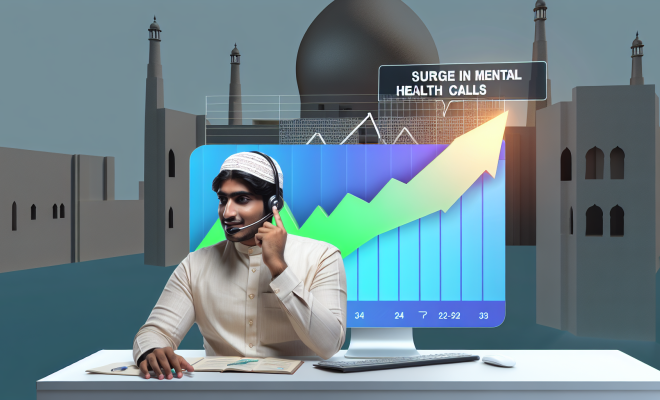
The recent escalation of hostilities involving the United States, Israel, and Iran, which began on February 28, 2026, has not only affected international relations but has also had a profound impact on the mental health of residents across the United States. As conflict continues to unfold, mental health providers are reporting a notable increase in calls, reflecting the widespread anxiety and concern felt by many individuals and families.
Geopolitical Tensions and Their Ripple Effects
The conflict has created a cascade of effects that extend far beyond military engagement. From fluctuations in the stock market to rising gasoline prices, the ramifications of the situation in Iran are being felt in various aspects of everyday life. More alarmingly, these geopolitical tensions are manifesting in the mental health of the public, leading to an increase in the demand for mental health services.
Rising Demand for Mental Health Services
Local mental health providers have reported a significant surge in calls since the onset of hostilities. Many individuals seeking help express heightened anxiety and stress, particularly those with loved ones stationed overseas or those connected to military communities. The uncertainty and fear surrounding the conflict have amplified feelings of insecurity and concern.
- Families with members in the military are particularly affected, as they grapple with the reality of potential deployments.
- Individuals with ties to Iran or the broader Middle East may experience heightened emotional distress due to personal connections.
- General populations are also feeling the strain, with many reporting anxiety related to the economic impacts of the conflict.
Impact on Community Mental Health
The rising tide of anxiety and stress can be attributed to several factors. The 24-hour news cycle keeps the conflict at the forefront of public consciousness, leading to continuous exposure to distressing news. This can exacerbate feelings of helplessness and fear, making it difficult for individuals to find peace in their daily lives.
Many mental health professionals argue that the implications of such conflicts can create a sense of collective trauma. The community’s mental health is intricately connected to global events, and as tensions rise, so too do the psychological ramifications for those affected.
Understanding the Connection Between Global Events and Mental Health
Research has shown that significant global events can lead to increased mental health service utilization. The current situation serves as a potent reminder that geopolitical conflicts have far-reaching effects that can penetrate the fabric of everyday life. The emotional fallout is not limited to those directly involved in the conflict; rather, it extends to families, friends, and communities that feel the impact.
The relationship between global affairs and individual well-being highlights the need for mental health resources that are responsive to current events. Providers are now tasked with addressing not only individual issues but also the broader societal implications of such crises.
Strategies for Coping with Anxiety
As mental health providers navigate this increase in demand, they are also emphasizing the importance of coping strategies for those affected by the conflict. Here are some recommended approaches:
- Stay Informed, But Limit Exposure: While it is essential to stay updated on current events, constant exposure to distressing news can heighten anxiety. Limiting news intake can help mitigate feelings of overwhelm.
- Practice Mindfulness: Techniques such as mindfulness and meditation can assist individuals in grounding themselves and reducing anxiety.
- Connect with Others: Sharing feelings with friends, family, or support groups can provide comfort and a sense of community during turbulent times.
- Seek Professional Help: Individuals struggling to cope should consider reaching out to mental health professionals for support and guidance.
Looking Ahead
As the conflict in Iran continues to evolve, the mental health of the community remains a critical concern. The increased demand for mental health services serves as a stark reminder of the interconnectedness of global events and individual well-being. It is essential for mental health providers to prepare for ongoing challenges and to develop resources that address the unique needs arising from these geopolitical tensions.
Communities must also recognize the importance of mental health awareness and support during such crises. By fostering an environment that encourages open dialogue about mental health, communities can help alleviate the burden of anxiety and stress experienced by many.
Ultimately, the lessons learned from this conflict may pave the way for a more robust mental health infrastructure that responds not only to individual needs but also to the broader social implications of global events.