Build a Custom Cat Tree: DIY Guide for Happy Felines
“`html
Creating a cat tree DIY project can be a rewarding experience for you and your feline friend. Not only does it provide your cat with a dedicated space for play, climbing, and lounging, but it also allows you to customize the design to fit your home and your cat’s personality. In this comprehensive guide, we’ll explore the essential steps, materials, and design ideas for building a cat tree that your kitty will adore.
1. Understanding the Importance of a Cat Tree
Before diving into the construction of a cat tree DIY, it’s essential to understand why these structures are vital for your cat’s well-being. Cats are natural climbers and need vertical space to feel secure. A well-designed cat tree provides that verticality while also offering scratching surfaces, which are crucial for their claws.
Not only is a cat tree a playground, but it also serves as a sanctuary where your cat can observe its environment from a safe height. This can reduce stress and anxiety, especially in multi-pet households. Additionally, creating a cat tree DIY means you can tailor it specifically to your cat’s size, preferences, and your home’s aesthetics.
2. Planning Your Cat Tree Design
Once you recognize the importance of a cat tree, the next step is to plan your design. Consider the available space in your home and your cat’s habits. Do they prefer to jump high, or do they favor more horizontal spaces? Sketch a layout that incorporates various levels, ramps, and perches to keep things interesting.
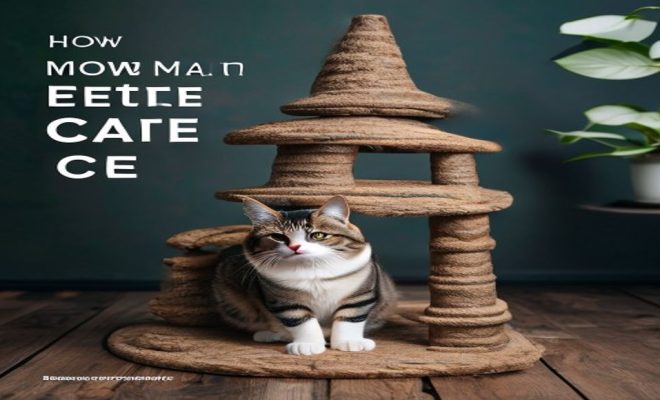
Think about the materials you want to use. Common choices for cat tree DIY include plywood for the base, sisal rope for scratching posts, and soft fabrics for covered areas. Remember to design with stability in mind; a wobbly cat tree can be dangerous. A sturdy base is crucial to ensure your creation can withstand enthusiastic play.
3. Gathering the Right Materials
Choosing the right materials is critical for building a durable and safe cat tree. Here’s a list of essential items you’ll need:
- Plywood: For the base and platforms.
- 2×4 lumber: To create a sturdy frame.
- Sisal rope: For scratch posts.
- Carpet or fabric: To cover perches and surfaces.
- Wood screws and brackets: For assembly.
- Non-toxic glue: To secure fabric and other elements.
- Tools: A saw, drill, measuring tape, and sander.
Make sure to use non-toxic materials, as cats often chew on their furniture. If you’re unsure about specific materials, consult with a local pet store or a carpenter to find the best options.
4. Measuring and Cutting Your Materials
Once you have your materials, it’s time to measure and cut them to size. Precision is key here; incorrect measurements can lead to a shaky structure. Start by measuring the base—this should be large enough to support the weight of the entire tree. A good rule of thumb is to make it at least 2 feet by 3 feet.
After you’ve determined the dimensions for your base, cut the plywood and lumber accordingly. Make sure to sand down any rough edges to prevent injuries to your cat. It’s also a great idea to test fit each piece before assembling them fully. This ensures everything aligns and fits properly.
5. Assembling the Cat Tree
Now comes the fun part: assembling your cat tree DIY! Start with the base and attach the vertical supports using strong brackets or screws. It’s vital to ensure that the vertical pieces are securely fastened, as they will carry the weight of the entire structure.
Once the frame is secure, you can add the platforms. Consider adding various heights to create more interest. Each platform can be covered in soft fabric or carpet for comfort. Don’t forget to install scratching posts by wrapping sisal rope around the vertical supports—this will satisfy your cat’s scratching instincts and keep your furniture safe.
6. Adding the Final Touches
With the basic structure complete, it’s time to add those finishing touches that will make your cat tree feel like home. Consider adding cozy hideaways, hammocks, or even dangling toys. You can create a cozy nook by cutting a hole in a box and attaching it securely to one of the platforms. (See: Animal bites and their prevention.)
For aesthetic appeal, use different fabrics or paints to match your home decor. Just ensure that any paint or glue used is non-toxic. Adding a blanket or a favorite cat toy can make the tree feel more inviting for your furry friend.
7. Safety Considerations
Safety should never be overlooked when creating a cat tree DIY. Ensure that all screws and nails are countersunk, meaning they are flush with the surface to prevent your cat from getting hurt. Regularly inspect your cat tree for wear and tear, making repairs as necessary.
Be mindful of the height of your cat tree. While cats love to climb, a very tall structure might pose a risk of falling. It’s advisable to keep the tree below 5 feet unless it’s securely anchored to a wall. If you have kittens or elderly cats, consider their climbing abilities when designing the tree.
8. Maintaining Your Cat Tree
After investing time and effort into your cat tree DIY, it’s essential to maintain it for longevity. Regularly clean the surfaces to remove cat hair and debris. If you notice any frayed rope or fabrics, replace them immediately to prevent accidents.
Consider reapplying sisal rope when it begins to wear out. Regular maintenance not only keeps your cat tree looking fresh but also ensures it remains a safe haven for your pet. Allocating a day every few months for maintenance can go a long way in keeping your DIY cat tree in great condition.
9. Inspiration and Ideas for Your Cat Tree DIY
Looking for inspiration? There are countless designs available online, from simple to elaborate structures. Some popular themes include multi-level towers with bridges, trees that mimic natural environments, and even integrated litter box areas. Don’t hesitate to blend different elements to create something entirely unique!
Consider the personality of your cat while designing. If they love to perch and observe, create more elevated spaces. If they’re more of a climber, include ramps or ladders. The sky’s the limit when it comes to creativity, and your cat will appreciate the thought you put into their new playground.
10. Budgeting for Your Cat Tree DIY
A cat tree DIY project can vary widely in cost. Depending on the materials you choose and the complexity of your design, budgets can range from under $100 to several hundred dollars. Consider the following factors when budgeting for your project:
- Material Quality: Higher-quality materials might cost more upfront but can lead to a more durable and stable structure.
- Tools: If you already own tools, your costs will be lower. However, if you need to purchase or rent tools, this can add to your overall budget.
- Design Complexity: The more elaborate the design, the more materials and effort it will require. A simple design with fewer levels will be less expensive than a multi-tiered structure.
By planning your budget carefully, you can ensure that your DIY cat tree fits within your financial means while still being a fun and enjoyable project.
11. Expert Tips for a Successful DIY Cat Tree
To enhance your cat tree DIY project, consider some expert tips that can ensure your structure not only looks great but also functions well for your feline friends:
- Stability is Key: Always prioritize stability when designing. Add additional support by using cross-bracing on higher platforms to prevent wobbling.
- Variety in Textures: Cats enjoy different textures under their paws. Use various materials like carpet, faux fur, and sisal rope to create a stimulating environment.
- Location, Location, Location: Place the cat tree near windows for natural sunlight or in areas where your cat loves to hang out. Cats often prefer spots where they can observe human activities.
- Interactive Elements: Incorporate elements like feathers, jingling bells, or even treat dispensers to engage your cat and keep them entertained.
12. Frequently Asked Questions (FAQ)
What size should I make my cat tree?
The size of your cat tree depends on your available space and the number of cats you have. A good rule of thumb is to ensure that the base is stable and large enough to support the height of the tree. Ideally, the tree should be at least three feet tall for most cats.
How can I make my cat tree more attractive to my cat?
To make your cat tree appealing, incorporate various textures, levels, and hideaways. Use catnip-infused materials, dangling toys, and cozy nooks to entice your cat to explore and enjoy their new playground.
Is it safe for my cat to climb to high levels?
While most cats are natural climbers, it’s essential to ensure safety features are in place. Avoid making your cat tree excessively tall; keep it under five feet unless securely anchored. Watch your cat’s behavior to ensure they’re comfortable with the height. (See: Healthy cats and their environment.)
What materials are best for a DIY cat tree?
Non-toxic materials are essential for your cat’s safety. Plywood, solid wood, sisal rope, and carpet are excellent choices. Avoid any materials that can splinter or have harmful chemicals. Always double-check labels for safety.
How do I clean my cat tree?
Regular cleaning involves vacuuming the surfaces to remove hair and debris. For deeper cleaning, consider using a mild soap solution on removable fabric covers or vacuuming the entire structure. Ensure that all cleaning agents are safe for pets.
13. Final Thoughts on Your DIY Cat Tree Journey
Creating a cat tree DIY is not just about building a physical structure; it’s about enhancing your cat’s quality of life and exploring your creativity. Whether you choose a simple design or an elaborate multi-level tower, the effort you invest will be rewarded with joy and happiness from your furry friend.
Don’t rush through the process. Take your time to plan, gather materials, and assemble your cat tree thoughtfully. Each cat has its own preferences and quirks, and by customizing your design, you’re showing your affection in a unique way. Happy building!
14. Exploring Advanced Features for Your Cat Tree
If you’re feeling ambitious and want to take your DIY cat tree to the next level, consider adding some advanced features that can enhance your cat’s enjoyment and the overall functionality of the tree.
Multi-Level Platforms
Incorporating multiple levels is a fantastic way to make your cat tree more engaging. You might build platforms at varying heights and connect them with ramps or bridges. This setup not only gives your cat more space to explore but also mimics the natural climbing environment of trees, providing an excellent form of exercise.
Hideaways and Cubes
Many cats enjoy having their own little hideaways where they can feel secure. You can easily create enclosed spaces by using cardboard boxes or wood panels. Make sure to leave openings for your cat to enter and exit easily. You can even design these hideouts to look like mini houses or caves, adding an element of fun.
Integrated Scratchers
Integrate scratching surfaces into your design to prevent your cat from scratching your furniture. Use sisal-wrapped posts, or create scratching panels by attaching carpet remnants to vertical sections of your cat tree. This gives your cat a designated area to satisfy their scratching instincts while keeping other surfaces safe.
Play Areas
Adding play areas with hanging toys or tunnels can encourage your cat to engage in playful behavior. You can attach feather toys or balls on strings from the platforms or install a small tunnel leading to a secondary platform. This will not only entertain them but also encourage physical activity, which is essential for their health.
Cat Grass Pots
Include a small planter at the top of your cat tree with cat grass or other cat-safe plants. Cats love to nibble on grass, and having a designated spot can provide them with a healthy treat. This also adds a touch of greenery to your home and can make the cat tree look more aesthetically pleasing.
15. Environmental Considerations When Building a Cat Tree
Building a cat tree DIY doesn’t just benefit your cat; it can also be environmentally friendly if you choose your materials wisely. Here are a few considerations:
Sustainable Materials
Look for reclaimed wood or eco-friendly materials when you’re gathering supplies. Many home improvement stores carry sustainable options that are safe for pets and kinder to the environment. This not only gives your cat tree a unique look but also reduces your carbon footprint. (See: How to make a cat tree guide.)
Non-Toxic Paints and Finishes
If you plan to paint or finish your cat tree, select non-toxic paints or stains. Traditional paints can contain harmful chemicals that may be released over time, impacting your pet’s health. Look for plant-based or low-VOC (volatile organic compounds) options to ensure safety for both your cat and the environment.
Recycling Materials
Consider using old furniture or other repurposed materials for your cat tree. An old bookshelf can be converted into a multi-level cat tree with a little creativity. This reduces waste and can lead to a unique design that fits your style.
16. Fun with Themes: Customizing Your Cat Tree
Customizing your cat tree to fit a particular theme can make the build even more enjoyable. Here are some ideas for themed cat trees:
Treehouse Theme
If you want to create a treehouse vibe, use wood stain to give your cat tree a natural look. Add faux leaves or branches, and drape fabric to mimic a canopy. This creates a beautiful focal point and gives your cat a cozy environment to enjoy.
Modern Minimalism
If you prefer a sleek, modern aesthetic, opt for a minimalist design. Use clean lines and neutral colors, and keep the structure simple. Incorporate geometric shapes and maybe a few stylish cushions for comfort without overwhelming the visual space.
Adventure Land
Create a jungle or adventure-themed cat tree using bright colors and various textures. Add faux vines, small animal figures, or even a small waterfall feature using safe materials. This can create an exciting environment that stimulates your cat’s senses.
17. Conclusion: The Joy of Crafting Your Cat Tree DIY
Taking on a cat tree DIY project allows you to engage with your pet in a creative way while providing them with a space to thrive. The experience goes beyond just crafting; it’s about understanding your cat’s needs, preferences, and creating a space that enriches their life. The process can be filled with challenges, but the joy your cat will experience when using the tree is worth every effort.
Remember to take your time, involve your cat in the design process as much as possible, and most importantly, have fun with it. Your creativity and dedication will undoubtedly result in a cat tree that’s not only functional but also a cherished part of your home.
“`
Trending Now
- the complete explanation
- this guide on what’s on a high school transcript? understanding the components
- this guide on “5 evidence-based strategies to improve math fluency in middle school classrooms”
- this guide on how nonverbal communication impacts conflict resolution
Frequently Asked Questions
What materials do I need to make a cat tree?
To build a cat tree, you will need plywood for the base, sisal rope for scratching posts, soft fabrics for covered areas, and sturdy supports. Additionally, consider using wood glue, screws, and carpet for added comfort and stability.
How do I design a cat tree for my cat?
When designing a cat tree, consider your cat's habits and preferences. Sketch a layout that includes various levels, ramps, and perches. Ensure the design fits your available space and provides stability to prevent wobbling during play.
Why do cats need a cat tree?
Cats need a cat tree because it provides vertical space for climbing, scratching surfaces for their claws, and a safe place to observe their environment. This can reduce stress and anxiety, especially in homes with multiple pets.
Can I customize a DIY cat tree?
Yes, a DIY cat tree can be fully customized to fit your cat's size, preferences, and your home decor. You can choose the design, materials, and features to create a unique structure that your cat will love.
What are the benefits of building a cat tree?
Building a cat tree offers several benefits, including providing a safe playground for your cat, reducing stress, and fulfilling their natural climbing instincts. It also allows you to create a personalized space that matches your home’s style.
Have you experienced this yourself? We’d love to hear your story in the comments.