Mastering Airbnb Reviews: A Comprehensive 2022 Guide
“`html
Leaving a review on Airbnb isn’t just a formality; it’s an integral part of the platform’s ecosystem. Whether you’re a guest who wants to express appreciation or a host eager to share your experience, understanding how to effectively leave a review can significantly impact future interactions. In this guide, we will break down the ins and outs of leaving a review on Airbnb, exploring not just the steps involved but also the importance and implications of your feedback.
1. The Importance of Reviews on Airbnb
Reviews play a pivotal role in the Airbnb community. They serve as a form of social proof, guiding potential guests in their decision-making process. According to a 2021 study by Airbnb, listings with at least five reviews receive 50% more bookings than those without. This statistic highlights how crucial your feedback can be in shaping not only the host’s reputation but also the overall experience for future travelers.
Moreover, reviews contribute to a sense of trust and safety. When guests leave a review on Airbnb, they’re helping build a community where transparency reigns. This is particularly important in a platform where users often stay in private homes rather than hotels. The more genuine and detailed the reviews, the better the experience for everyone involved.
In fact, a survey from 2022 indicated that 88% of travelers consider reviews as a critical factor when choosing accommodation. This statistic emphasizes that your thoughts and experiences are far-reaching, potentially influencing hundreds of future guests.
2. When to Leave a Review
Timing is everything. You can leave a review on Airbnb after your stay has ended, but you have a limited window – specifically, 14 days from the day of checkout. As a guest, ideally, you should take a moment to reflect on your experience right after your trip while the details are still fresh in your mind. This ensures that your review captures the nuances of your stay.
For hosts, the timing can sometimes feel more complicated. However, it’s customary to leave a review for guests shortly after they check out, ideally before they leave their review for you. This not only helps establish a good rapport but also encourages guests to reciprocate, which can be beneficial for your listing.
Additionally, consider the impact of leaving reviews promptly. In a fast-paced marketplace, timely feedback can serve to quickly inform other users, enhancing the value of your input. Guests who see recent reviews might feel more confident in making a booking decision.
3. How to Leave a Review on Airbnb
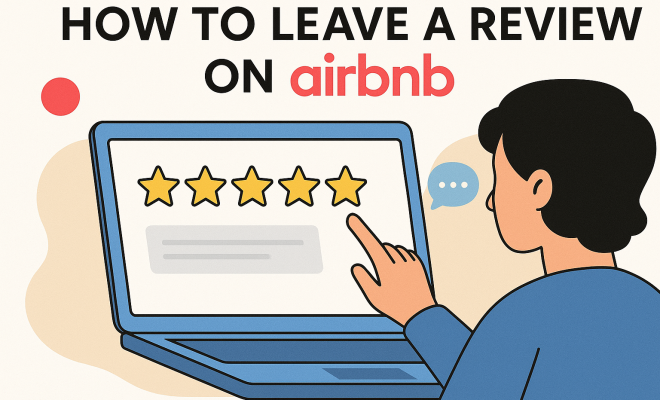
Leaving a review on Airbnb is a straightforward process, but it’s essential to know the steps. Here’s how you can do it:
- Log In: Open the Airbnb app or website and log into your account.
- Navigate to Your Trips: Go to your profile and click on “Trips”.
- Select Your Stay: Find the specific trip you want to review.
- Click on ‘Leave a Review’: Follow the prompts to leave feedback for the host. You’ll rank your experience from one to five stars and add written comments.
- Submit: Once you’re satisfied, submit your review.
It’s important to note that once submitted, you cannot edit your review, so take your time to ensure it accurately reflects your experience. There’s a fuller look at constructive feedback strategies.
If you’re using the mobile app, the layout may differ slightly. Be sure to familiarize yourself with the app’s interface to ensure a smooth review process. The Airbnb platform is designed to be user-friendly, making it easy for you to share your thoughts on your experience.
4. Writing an Effective Review
When you leave a review on Airbnb, clarity and honesty should be your guiding principles. Start by highlighting what you liked about your stay. Perhaps the location was perfect, or the host went above and beyond. Specifics matter; mentioning particular amenities or describing interactions with the host adds credibility to your review. (See: trust and safety in travel.)
However, don’t shy away from providing constructive criticism. If something didn’t meet your expectations, share it, but do so respectfully. Instead of a blanket statement like “the place was dirty,” consider saying, “I noticed some dust in the corners; perhaps more frequent cleaning would help.” This approach not only informs the host but also shows potential guests you’re offering an honest opinion.
Additionally, structure your review for readability. Use short paragraphs and bullet points if necessary. A well-organized review makes it easier for potential guests to scan and digest your feedback, increasing the likelihood that they’ll find your insights useful.
5. Common Mistakes to Avoid
Even experienced users can make mistakes when leaving a review on Airbnb. One common pitfall is being overly vague. Comments like “it was great” don’t provide any actionable insights for future guests. Instead, focus on details that may help someone else make an informed decision.
Another mistake is letting personal biases affect your review. If a host was polite but the location was noisy, don’t penalize the host for factors beyond their control. Be mindful to separate personal feelings from objective evaluations of the service and amenities provided.
Also, avoid focusing solely on a single issue. If your stay was mostly enjoyable but had a minor inconvenience, ensure that your review reflects the overall experience rather than emphasizing the negative. A balanced perspective gives future guests a more accurate depiction of what they can expect.
6. The Role of Responses to Reviews
Hosts have the opportunity to respond to guest reviews, and this interaction can enhance the overall experience for future travelers. A thoughtful response can demonstrate a host’s commitment to improving and valuing guest feedback. When you leave a review on Airbnb, keep in mind that your comments might prompt a meaningful exchange that can enhance community trust.
For hosts, responding to reviews—both positive and negative—can significantly influence how future guests perceive their property. A positive acknowledgment of a great review can build rapport, while a well-articulated response to criticism can help mitigate any negative perceptions.
Moreover, a host’s response can underscore the importance of guest feedback. For example, if several guests mention an issue, a host’s response can indicate that they are actively working to resolve it, which can encourage potential guests to book despite that concern.
7. Understanding Airbnb’s Review Policy
Airbnb has a unique review policy that emphasizes transparency and integrity. Under this policy, both guests and hosts have a chance to leave their reviews, which are made public for the community to see after both parties have submitted their feedback, or after the 14-day window expires.
Additionally, Airbnb prohibits retaliatory reviews. If a guest leaves a negative review, the host cannot retaliate with an equally negative review simply because they didn’t like the feedback. This policy is crucial in fostering a fair environment where honest feedback is encouraged.
It’s also worth noting that Airbnb monitors reviews for compliance with their content policy. Reviews that violate guidelines—such as being defamatory or inappropriate—might be removed, highlighting the need for constructive and respectful feedback.
8. How Reviews Impact Your Future Experiences
Leaving a review on Airbnb can have long-term implications for both guests and hosts. For guests, a history of leaving thoughtful reviews can build a positive reputation on the platform, leading to better treatment from hosts. When hosts see a guest has taken the time to provide feedback, they’re more likely to treat that guest with care during their stay. (See: importance of reviews on Airbnb.)
On the flip side, for hosts, a collection of positive reviews can help elevate their listing in Airbnb’s search algorithm, making it easier for potential guests to find them. It can also lead to more bookings and possibly even higher prices due to increased demand for their property. Thus, the impact of reviews extends beyond immediate feedback—it can shape the entire trajectory of user experiences on the platform.
Additionally, many hosts use reviews as marketing tools. A selection of glowing testimonials can be featured prominently in listings, enticing new guests to book. This means your review could actually help hosts gain recognition and build their business. See also performance feedback tips.
9. Leveraging Reviews for Improvement
Both guests and hosts can learn from the review process. As a guest, reading previous reviews can help set your expectations and allow you to choose accommodations that fit your needs. If multiple guests mention a specific aspect—like a noisy street or a lack of heating—it’s wise to take that into consideration.
For hosts, reviews serve as invaluable feedback. They provide insights into what aspects of their service are working and what needs improvement. This continuous loop of feedback can help hosts refine their offerings and create a better experience for future guests. By actively considering guest reviews, hosts can adapt and grow, turning feedback into actionable insights that lead to enhanced service.
Furthermore, some hosts might even survey guests post-stay to gather additional insights that may not have been included in the review. This proactive approach can lead to a cycle of continuous improvement.
10. FAQs About Leaving a Review on Airbnb
What should I include in my Airbnb review?
Your review should include details about your experience, including the property’s condition, the host’s communication, and any amenities that stood out. Specific examples can help other guests understand what to expect.
Can hosts see my review before it’s posted?
No, hosts cannot see your review until you have submitted it. Once both parties have left their reviews or the review period expires, then both reviews become visible to the public.
How important are reviews for hosts?
Reviews are critical for hosts as they contribute to their overall rating and visibility on the platform. A higher rating often leads to more booking opportunities and can influence pricing strategies.
Can I change my review after submitting it?
No, once your review is submitted, you cannot edit it. It’s crucial to review your feedback carefully before finalizing it. We covered peer feedback benefits for students in more detail.
What if I had a bad experience and don’t want to leave a review?
It’s your choice whether to leave a review or not. However, sharing your experience—good or bad—can help future guests make informed decisions. If you choose not to leave a review, consider discussing the issues directly with the host to give them a chance to address your concerns.
How can a host respond to my review?
Hosts can respond publicly to your review, which allows them to thank you for positive feedback or address any negative comments. This response can be beneficial for future guests to see how the host handles feedback.
11. Tips for Guests: Getting the Most Out of Your Review Experience
As a guest, writing a review can be more than just sharing your experience—it can be a learning opportunity for you, too. Here are some additional tips to maximize the impact of your review:
- Reflect on Your Expectations: Before writing, think about what you expected versus what you experienced. This can help put your review in context and provide useful insights for others.
- Be Mindful of Your Tone: While it’s important to be honest, focusing on a positive and constructive tone can encourage more thoughtful dialogue. This can lead to better experiences for both hosts and future guests.
- Consider the Audience: Remember that your review is not just for the host but also for potential guests who may have similar needs or concerns. Tailoring your feedback to help others can enhance its value.
- Use Photos if Possible: If you’re reviewing a particularly stunning view or an aspect of the property that stands out, consider sharing photos. Visuals can complement your review and offer more context.
12. Impact of Reviews on Airbnb’s Algorithm
Airbnb utilizes a complex algorithm to rank listings and display them to users. Reviews play a significant role in this algorithm. Properties with higher ratings and more reviews tend to appear higher in search results. This visibility can lead to increased bookings and, consequently, higher overall revenue for hosts.
Statistics show that listings with a rating of 4.5 stars or more receive nearly 80% of all bookings. This showcases just how essential it is for hosts to maintain a high standard of service and earn glowing reviews. On the flip side, a few negative reviews can drastically decrease visibility and booking rates.
Furthermore, Airbnb’s algorithm also considers the recency of reviews. A listing with recent positive reviews will rank better than one with older feedback. This encourages hosts to continuously improve their offerings and ensure guest satisfaction.
13. How to Handle Negative Reviews as a Host
If you’re a host and receive a negative review, it’s essential to approach the situation with a calm and constructive mindset. Here are some strategies to effectively handle negative feedback:
- Respond Promptly: Addressing the review quickly can demonstrate to potential guests that you take feedback seriously. A timely response can also alleviate concerns for future guests.
- Apologize and Acknowledge: If the reviewer experienced an issue that you can correct in the future, acknowledge their feedback and apologize for the inconvenience. This can help turn a negative experience into a positive one.
- Explain but Don’t Excuse: If there were extenuating circumstances that led to the negative experience, it’s okay to explain them. Just make sure it doesn’t come off as making excuses.
- Invite Further Communication: Encourage the reviewer to reach out to you directly for further discussion. This shows you’re willing to resolve issues and improve.
14. Final Thoughts on Leaving a Review on Airbnb
In summary, knowing how to leave a review on Airbnb is essential for fostering a vibrant, trustworthy community. Whether you’re a guest sharing your experience or a host looking to improve, your feedback is invaluable. So next time you have an experience to share, remember that your review could be the guiding light for someone else’s adventure. Taking the time to write a thoughtful review not only helps the Airbnb community, but also enhances your own experience as a user of the platform.
“`
Trending Now
Frequently Asked Questions
How do I leave a review on Airbnb?
To leave a review on Airbnb, log into your account after your stay, navigate to your trips, and select the reservation you'd like to review. You have 14 days from checkout to submit your feedback, which can include ratings and comments about your experience.
What is the importance of leaving a review on Airbnb?
Leaving a review on Airbnb is crucial as it provides social proof for potential guests, influences booking decisions, and helps build trust within the community. Reviews can directly impact a host's reputation and the overall experience for future travelers.
When can I leave a review on Airbnb?
You can leave a review on Airbnb within 14 days after your checkout date. It’s best to write your review soon after your stay to capture the details while they are still fresh in your mind.
Why should I leave a review for my Airbnb stay?
Leaving a review for your Airbnb stay helps other travelers make informed decisions, contributes to the host's reputation, and fosters a sense of community. Your feedback can significantly influence the experiences of future guests.
What happens if I don't leave a review on Airbnb?
If you choose not to leave a review on Airbnb, your experience will not be reflected in the host's profile or shared with future guests. This may limit the information available to others and miss the opportunity to provide valuable feedback.
Have you experienced this yourself? We'd love to hear your story in the comments.