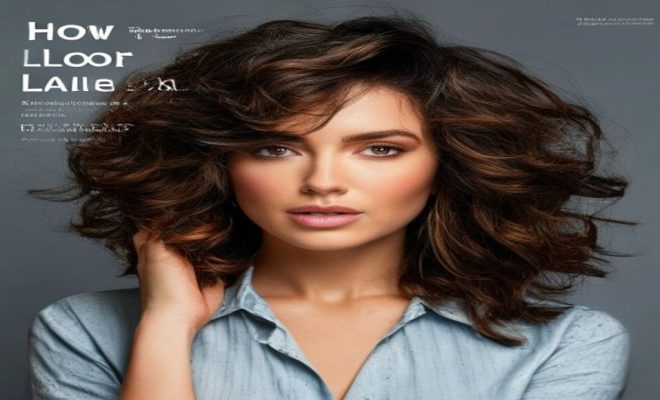
Master the Art of Layering Hair for Volume & Texture
“`html
Layering hair is more than just a trend; it’s an art form that can transform your look while enhancing volume and texture. Whether you’re aiming for a subtle shift in style or a dramatic reimagining of your locks, understanding the various layering hair techniques can help you achieve your desired outcome.
1. Understanding Hair Layers
At its core, layering involves cutting hair at different lengths to create dimension and movement. This technique can be applied to any hair type or length, from short bobs to long waves. The basic premise is simple: shorter layers on top create volume, while longer layers underneath help maintain length. This interplay can add texture and make your hair appear fuller.
Layering serves multiple purposes. It can remove weight from thick hair, enhance curl definition for wavy or curly hair, and add shape to styles that might otherwise look flat. For many, layers offer a balance between versatility and manageability, making it easier to style and maintain.
2. Choosing the Right Technique
Not all layering techniques are created equal. The selection depends on your hair type and the look you’re aiming for. For example, slide cutting is often favored for fine hair to avoid creating too much bulk, while blunt cutting might be more suitable for thicker strands. Consulting with an experienced stylist can help you choose the most effective method for your specific needs.
Some popular layering techniques include:
- Long Layers: Ideal for adding movement to longer hair without sacrificing length.
- Face-Framing Layers: These are shorter layers around the face that help soften features and can flatter any face shape.
- Shaggy Layers: Characterized by choppy, disconnected layers that create a casual, effortless look.
- Textured Layers: This technique involves varying the lengths of layers more significantly, creating a rugged, bohemian vibe.
3. Preparing for the Cut
Before diving into a haircut, it’s crucial to assess your hair’s health and texture. Healthy hair holds layers better, so consider a trim to remove split ends. Additionally, establishing a baseline of how you usually wear your hair will help the stylist understand your preferences. Bringing in photos of styles you admire can also provide a visual reference.
Consider your lifestyle when choosing layers. If you frequently style your hair, a more dynamic layering technique might suit you. Conversely, if you’d prefer low-maintenance hair, stick with longer, softer layers that require less frequent upkeep.
4. The Cutting Process
The actual cutting process requires skill and precision. Start with clean, dry hair to give an accurate representation of how the hair naturally falls. Stylists often use a combination of techniques during a haircut, including point cutting for soft edges and blunt cutting for strong, defined shapes.
For long layers, a stylist might hold sections of hair at an angle and cut to create a fluid look that seamlessly blends with the rest of the hair. Face-framing layers often require careful consideration of the individual’s face shape, ensuring that each layer enhances the overall aesthetic.
5. Maintenance of Layered Hair
Once your layers are cut, maintaining them is essential to keep your style looking fresh. Regular trims every six to eight weeks can prevent split ends and keep the shape intact. Additionally, using the right hair products can enhance the texture and movement of your layers.
For those with curly hair, a curl cream or mousse can help define each layer. Straight hair may benefit from a volumizing spray to boost body and lift at the roots. Always consider the styling tools you use; a good quality round brush can make all the difference when blow-drying layered hair. (See: Understanding different haircut techniques.)
6. Layering Techniques for Different Hair Types
Each hair type has its unique set of challenges when it comes to layering. Fine hair often requires techniques that avoid adding too much volume, while thick hair can handle more dramatic layers. For curly hair, layering can help manage bulk while maintaining the shape of the curls.
For instance, with fine hair, a stylist might opt for long, blended layers that create the illusion of thickness without overwhelming the natural texture. In contrast, thick hair may benefit from shorter layers that provide lift and movement. Understanding your hair’s texture is key to implementing the right layering hair techniques.
7. Trendy Layering Styles
Layering is not just about cutting; it’s also about style. Popular trends right now include curtain bangs mixed with layered cuts and textured bobs that incorporate choppy layers for a more lived-in look. These styles are ideal for adding personality while still being easy to manage.
Another trend gaining traction is the ’90s resurgence of the classic shag haircut. This style utilizes lots of disconnected layers that create a rock-and-roll vibe. Whether you’re looking for something polished or relaxed, layering techniques can adapt to suit any trend.
8. Common Mistakes to Avoid
While layering can be transformative, there are some common pitfalls to watch out for. One major mistake is choosing a layering technique that doesn’t complement your hair type. For example, using too many layers on fine hair can lead to a frizzy appearance, while over-layering thick hair can make it look unruly.
Additionally, failing to communicate effectively with your stylist can result in unwanted outcomes. Always be clear about your vision and consider asking for their professional input. Layering hair is a collaborative experience, and with the right communication, you can achieve a hairstyle that reflects your personality and lifestyle.
9. Layering Hair Techniques for Special Occasions
Layering techniques can also be tailored for special occasions. If you have a wedding, graduation, or a big night out, consider opting for a more extravagant layered look. This could mean adding volume through layers that are enhanced by curls or waves, providing a romantic and elegant touch.
For instance, soft, tousled layers can be complemented with a half-up, half-down style for a bridal look, or you might choose tight, structured curls in the layers for a more formal evening affair. Incorporating accessories, like hairpins or flowers, can elevate the look even further, allowing the layers to frame your face beautifully.
10. Expert Perspectives on Layering
Industry professionals have varied opinions on the best layering techniques, with many emphasizing the importance of personalized approaches. According to celebrity hairstylist Jen Atkin, “The best layers are those that work with your natural hair texture.” This perspective highlights the need for tailoring techniques to suit individual characteristics.
Other stylists recommend considering your hair’s texture and face shape when deciding on layering. For example, stylist Chris McMillan insists on integrating face-framing layers for a softer overall look, as they can highlight your best features. It’s always beneficial to seek expert advice to help navigate the often confusing world of hair layering.
11. Statistics on Hair Layering Trends
Layering hair techniques have seen a resurgence recently, with a survey from the Professional Beauty Association revealing that over 60% of women opt for layered cuts as their go-to style. Trends indicate that younger generations gravitate toward layered styles for their versatility, with 70% of millennials favoring layered hair for its adaptability to different hairstyles.
Moreover, social media platforms have a significant role in shaping hair trends. According to a study by Influencer Marketing Hub, Instagram posts featuring layered styles received 40% more engagement than other hair-related content. This shows that visuals play a powerful role in influencing hair fashion choices. (See: Health effects of hair treatments.)
12. Layering Techniques for Short Hair
Short hair can also benefit immensely from layering. Techniques like the ‘textured bob’ utilize choppy layers to create a modern, edgy look while maintaining a classic style. Using layering in short hair helps to create movement that can make the hair appear fuller, which is particularly important for those with fine or thinning hair.
Another popular short hairstyle using layering is the pixie cut. Here, layering can add depth and dimension, breaking the traditional boundaries of a blunt cut. By incorporating uneven layers, the pixie cut can be styled in various ways, from sleek looks to tousled waves.
13. FAQs About Layering Hair Techniques
What are some tips for maintaining layered hair?
To maintain layered hair, ensure regular trims every 6-8 weeks to keep the shape fresh. Use the right products suited for your hair type, such as volumizing sprays for fine hair or curl creams for curly textures to enhance your layers.
Can layering hair make it look thinner?
Layering can sometimes make hair look thinner if done incorrectly, especially on fine hair. It’s essential to communicate with your stylist about your concerns and choose the right technique that enhances thickness without overwhelming your hair.
Are there specific hair types that benefit more from layering?
Yes, layering typically benefits thick and curly hair the most, as it can remove bulk and enhance shape. Fine hair can also benefit from layers, but the approach needs to be more delicate to avoid losing volume.
Can I layer my own hair at home?
While it’s possible to layer your hair at home, it’s recommended to seek a professional stylist for the best results. If you choose to do it yourself, ensure you have sharp scissors and follow safety precautions to avoid any mishaps.
What tools are necessary for cutting layers?
For cutting layers, having sharp hair scissors is essential. A comb can help section the hair, and a mirror is crucial to ensure balanced cutting. Some opt for thinning shears to create softer layers, but these should be used judiciously.
14. Layering and Hair Health
Considering the health of your hair is crucial when thinking about layering. Layers can help make damaged hair look healthier by removing split ends and adding volume, but they can also expose dry or brittle strands if not done correctly. Hydrating your hair regularly with deep conditioners can help maintain moisture levels, which is especially important for layered hair.
Incorporating hair masks into your routine can also strengthen your strands and make them more resilient to styling. Look for products rich in proteins and vitamins, which can rejuvenate your hair and prepare it for the demands of layering.
15. Layering Techniques for Different Lengths
Layering is versatile and can be adapted to various hair lengths. For short hair, such as bobs and pixies, layering can add movement and shape, allowing for a play between lengths that can create depth. Medium-length hair benefits from layered cuts that frame the face and enhance natural waves or curls. (See: Expert tips on cutting hair at home.)
Long hair, on the other hand, can be transformed with subtle or dramatic layers that give it a particular flair. Long layers can provide a waterfall effect, while shorter layers can create dynamic bounce and style. Each length has its unique approach to layering, making it essential to understand how to manipulate the technique to fit your desired style.
16. Layering Techniques in Different Cultures
Layering hair isn’t just a Western concept; many cultures around the world have their own interpretations and techniques for layering hair. For example, in East Asia, layered cuts are often used in traditional styles to create softness and flow, with specific techniques passed down through generations.
In Africa, layered hairstyles can embody cultural significance and identity, with many women incorporating braids and layers that reflect their heritage. Understanding these cultural nuances can deepen your appreciation for the art of layering and inspire you to explore various styles.
17. Layering Hair Myths Debunked
There are several myths surrounding hair layering that can lead to confusion. One common myth is that layering is only for certain hair types, which is untrue. Almost all hair types can benefit from layering, as long as the correct technique is applied.
Another myth is that layered hair is always high maintenance. While some layered styles might require more styling time, others can be relatively low maintenance, especially if they are designed to grow out gracefully. It’s all about finding the right style that fits your lifestyle and maintenance preferences.
18. Future Trends in Layering Hair Techniques
As the beauty industry evolves, so do layering techniques. The future may see more personalized approaches to layering, with stylists using advanced technology to analyze hair health and texture before providing tailored recommendations. Innovations in hair products will likely play a big role in how layers are maintained and styled, with more options available that cater to individual needs.
Furthermore, sustainability in hair care is becoming a priority, and brands are expected to introduce eco-friendly products that enhance layered hairstyles without compromising the health of the hair or the environment.
By understanding and mastering these layering hair techniques, you’ll be well on your way to achieving the hairstyle of your dreams. Whether you choose to go for soft, blended layers or bold, choppy ones, layering offers limitless opportunity for creativity and self-expression.
“`
Trending Now
Frequently Asked Questions
What are the benefits of layering hair?
Layering hair offers numerous benefits, including added volume and texture, enhanced curl definition for wavy or curly hair, and a balanced shape that prevents flatness. It also helps remove weight from thick hair, making it easier to manage and style.
What are the different techniques for layering hair?
There are several techniques for layering hair, including long layers for movement, face-framing layers to soften features, shaggy layers for a casual look, and textured layers for a bohemian vibe. The choice of technique depends on your hair type and desired outcome.
How do I prepare for a hair layering cut?
Before getting a hair layering cut, it's essential to consult with an experienced stylist who can assess your hair type and desired look. Communicate your preferences clearly and consider bringing reference photos to help convey your vision.
Can layering hair work for all hair types?
Yes, layering can be adapted to suit all hair types and lengths, from short bobs to long waves. The key is to choose the appropriate layering technique based on your specific hair type to achieve the best results.
Will layers make my hair look thicker?
Yes, layering can create the illusion of thicker hair by adding dimension and movement. Shorter layers on top can enhance volume, while longer layers underneath maintain length, making your hair appear fuller and more textured.
What did we miss? Let us know in the comments and join the conversation.