How to hang Christmas lights outside
“`html
As the holiday season approaches, many of us look forward to the sight of beautifully lit homes that bring a festive spirit to our neighborhoods. If you’ve ever wondered how to hang Christmas lights outside without a hitch, you’re in the right place. Whether you’re a seasoned pro or a first-time decorator, this guide will cover everything you need to know to make your home shine and sparkle for the holidays.
1. Choosing the Right Lights
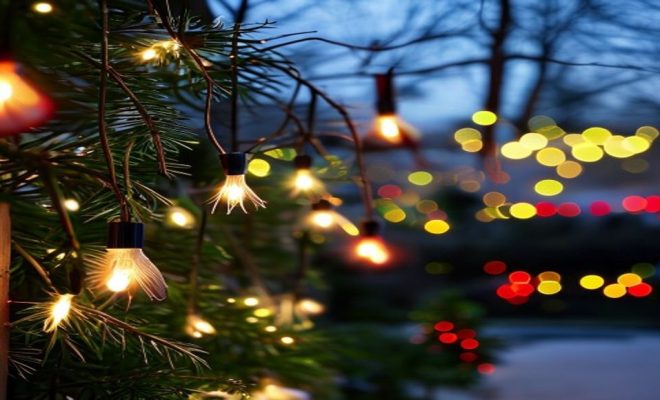
The first step in learning how to hang Christmas lights is selecting the right type of lights for your home. There are numerous options available, each with unique features. Traditional incandescent lights are warm and inviting but consume more energy and have a shorter lifespan compared to LED lights. LED lights, on the other hand, are energy-efficient, long-lasting, and come in a variety of colors and styles.
When choosing lights, consider the color temperature as well. Warm white lights create a cozy ambiance, while cool white lights give a more modern and crisp look. Additionally, think about the style of your home when selecting colors – classic white lights suit traditional homes, while colorful lights might complement a more whimsical or modern aesthetic.
Don’t forget about the size of your lights. Mini lights are great for trees and shrubs, while larger bulbs can make a statement on your roofline. If you’re feeling adventurous, try a combination of different sizes and styles to create depth and interest in your display.
In recent years, there has been a rise in popularity for smart holiday lighting. These lights can be controlled via smartphone apps and often allow for endless customization, including color changes and lighting schedules. It’s a great option for those who want a modern twist on traditional lighting.
2. Planning Your Design
Before you start hanging lights, it’s crucial to plan your design. Take a walk around your property and decide where you want to place lights. Consider defining focal points such as windows, doorways, and rooflines. Creating a balanced look is essential, so avoid clustering lights in one area while leaving others bare.
You might find it helpful to sketch your design on paper or use design software. This will give you a visual reference and help you determine how many strands of lights you’ll need. Aim for a cohesive look that enhances the architectural features of your home, rather than overwhelming them.
Consider drawing inspiration from your favorite holiday movies or themed decorations. If you love a classic snowy scene, you might want to use soft white lights combined with blue icicle lights. Alternatively, if you lean more towards a tropical vibe, colorful string lights can evoke a fun and festive atmosphere.
Also, think about the layout of your yard. If you have large trees, consider wrapping them with lights and using them as a centerpiece in your display. You can also create pathways with lights to guide guests to your front door, adding an extra touch of warmth and welcome.
3. Gathering the Right Tools
To hang Christmas lights effectively, you’ll need a few essential tools and supplies. Make sure you have the following on hand:
- Extension cords – ensure they are rated for outdoor use.
- Light clips or hooks – these are designed for safely securing lights without damaging your property.
- Ladder – a sturdy ladder is necessary for reaching higher areas.
- Safety gloves – protect your hands while handling lights.
- Gaffer tape (for securing cords) – this can help keep your display neat and tidy.
- Measuring tape – to accurately determine how much lighting you’ll need.
- Multi-tool or scissors – for cutting zip ties or cords if necessary.
- Wire cutters – useful for trimming any excess wire from your light strands.
Having these tools ready not only makes the process smoother, but it also enhances safety as you work at heights.
4. Safety First: Precautions to Take
Safety should be your top priority when hanging lights outdoors. Always use a sturdy ladder and never lean too far to one side, as this can lead to falls. If you’re working on a roof or near power lines, it’s wise to have a helper. Make sure to check the weather before starting your project; avoid hanging lights during windy or rainy conditions.
Also, ensure that the lights you use are UL-listed for outdoor use, which means they have been tested for safety in wet conditions. By taking these precautions, you can enjoy your decorating without worrying about risks.
Finally, consider wearing a safety harness if you’re working on a particularly high roof or structure. This can provide extra security and peace of mind while you’re hanging your lights. (See: LED lighting energy efficiency.)
Another important point is to inspect your lights before you start hanging them. Look for any frayed wires, broken bulbs, or other signs of damage that could pose a safety hazard. It’s better to catch these issues before they become a problem.
5. Techniques for Hanging Lights
Now that you’re ready to hang those lights, let’s discuss some effective techniques. For rooflines, use light clips to secure the strands along the edge. This method keeps wires taut and prevents drooping, creating a clean and polished look. For trees and shrubs, consider wrapping lights around branches, starting from the bottom and working your way up to ensure even coverage.
If you’re decorating railings or fences, use zip ties or clips to secure the lights in place. This prevents them from blowing away in the wind and keeps your design intact throughout the season.
For a more dynamic look, you can alternate the placement of your lights. Instead of placing them in a straight line, consider zigzagging them, or creating patterns that flow with the architecture of your home. This adds a layer of visual interest that can elevate your entire display.
Keep in mind that different surfaces may require different hanging techniques. For instance, if you’re attaching lights to a brick surface, you may need masonry clips. By using the appropriate fasteners, you can ensure that your lights remain securely in place throughout the season.
6. Connecting and Managing Power
Once your lights are hung, it’s time to connect them to power. Use outdoor-rated extension cords to reach your outlets safely. Be mindful of the wattage; you don’t want to overload a circuit, which can pose a fire hazard. A good rule of thumb is to limit the number of strings connected together to avoid exceeding the recommended wattage.
For added convenience, consider investing in a timer or smart plugs, which allow you to set specific times for your lights to turn on and off. This not only saves energy but also ensures your home looks festive consistently without any manual effort.
Keep in mind the location of your outdoor outlets. If they’re too far away from where you want to hang your lights, you may need to plan for additional extension cords. Ensure the cords are hidden or secured, so they don’t become a tripping hazard.
If you have multiple strands of lights, it’s a good idea to label each strand or outlet location. This way, when it comes time for takedown or maintenance, you can easily identify which section needs to be checked or replaced.
7. Testing Your Lights
Before you call it a day, make sure to test your lights! Plug them in and check for any burnt-out bulbs or sections that aren’t lighting up. It’s much easier to remedy these issues before everything is officially lit up and on display. Replace any faulty bulbs, and ensure all connections are secure. A little troubleshooting at this stage can save you from a disappointing display later on.
Consider using a multimeter to check for continuity in your light strings. This tool can help identify which sections are malfunctioning and allow you to make repairs before the holiday rush.
Additionally, if you notice more than one string of lights is malfunctioning, it may be worth replacing the entire string instead of just the bulbs. Sometimes, older strings can develop faults that affect the whole unit, and it might save you time and hassle in the long run.
Don’t forget to set a reminder to test your lights again throughout the season. Weather changes can affect the functionality of your lights, and early detection of any issues can help maintain your display’s beauty.
8. Maintaining Your Lights
Once your lights are up and shining bright, don’t forget about maintenance. Regularly check your display throughout the holiday season to ensure everything is functioning correctly. Look for any wear and tear, especially after severe weather. If you notice any damaged cords or bulbs, replace them immediately to prevent safety hazards.
After the holidays, take the time to properly store your lights. Avoid wrapping them too tightly to prevent damage, and consider using storage bins to keep everything organized for next year. Proper storage ensures that your lights remain in good condition, ready for another festive season. (See: safety tips for hanging lights.)
A great tip is to label your storage bins based on the type of lights and their intended use. This will save you time when you’re ready to set up again next year.
If you’ve invested in quality lights, consider reviewing their warranties or guarantees. Some brands offer replacements for faulty products, so holding onto your receipts and packaging can be beneficial.
9. Incorporating Smart Technology
As technology progresses, so do our options for holiday decorations. Many homeowners are now turning to smart lighting solutions that allow for even greater flexibility and control. Smart LED lights can be programmed and controlled through your smartphone or smart home systems, providing customizable lighting schedules and color options.
Imagine setting your lights to change colors for different holidays or events! This technology not only simplifies the process of how to hang Christmas lights but adds an exciting modern twist to your decorations. Make sure to review compatibility with your existing smart home devices to get the most out of your investment.
Smart lights also offer the convenience of remote access. If you forget to turn off the lights before leaving your home, you can easily do so from your phone. Plus, many smart light systems are designed to integrate with voice assistants, making them even easier to control.
For an extra touch, consider using smart light strips. They can be easily installed along railings, eaves, or other architectural features to create a seamless glow that can be adjusted based on your preferences.
10. Getting Creative with Designs
Finally, don’t be afraid to get creative! While traditional designs can be beautiful, think outside the box by incorporating themed displays or unique patterns. You can create a winter wonderland effect with icicle lights, or use projections to cast festive images onto your home’s exterior. The sky is the limit!
Consider incorporating other elements, such as wreaths or garlands, into your light displays to enhance the visual appeal. By mixing lights with other decorations, you can create a warm and inviting atmosphere that spreads holiday cheer throughout your neighborhood.
For a truly unique display, try incorporating different textures and materials. Combine string lights with lanterns or candle holders for a multi-dimensional look. Or add elements like flocked trees or artificial snow to enhance the wintery feel.
If you’re looking for a more impactful design, consider using large decorations or inflatables alongside your lights. They can add height and dimension to the overall look and showcase your creativity as well.
11. Eco-Friendly Lighting Options
If you’re looking to make your holiday decorations more environmentally friendly, consider eco-friendly options. Solar-powered Christmas lights are a popular choice, as they don’t require an outlet and can save on electricity costs. They charge during the day and illuminate your home automatically at night, minimizing your energy consumption.
Additionally, look for LED lights that are made with sustainable materials. Some brands offer lights that are not only energy-efficient but also recyclable, allowing you to reduce your carbon footprint while still enjoying the festive visuals.
Another option is to use lights that are designed to last longer and withstand harsher weather conditions, which means you won’t have to replace them as often. This contributes to less waste overall and allows you to invest in quality decorations that can be enjoyed for years to come. (See: how to hang Christmas lights.)
When selecting eco-friendly options, check for third-party certifications like Energy Star, which indicates that the lights meet strict efficiency guidelines. This can help ensure you’re making the best choices for the environment.
12. Frequently Asked Questions
How many Christmas lights do I need?
The amount of Christmas lights you need depends on the area you plan to decorate. A common rule of thumb is 100 lights per 1.5 feet of tree height or 100 lights for every 10-15 linear feet of roofline. Measure your space and plan accordingly to determine how many strands you’ll require.
Can I mix different types of lights?
Yes, mixing different types of lights can create a visually appealing display. Just keep in mind the total wattage and ensure all lights are rated for outdoor use to avoid any electrical hazards.
Is it safe to leave Christmas lights on all night?
It is generally safe to leave Christmas lights on overnight, especially if they are LED lights, which consume less energy and generate less heat. However, using a timer is recommended to prevent any potential hazards and to save energy.
What is the best way to store Christmas lights?
The best way to store Christmas lights is to wrap them loosely around a cardboard or plastic spool. This prevents tangling and keeps them organized. Store them in a cool, dry place to avoid moisture damage.
How can I fix a string of lights that won’t work?
Start by checking the fuse in the plug. If the fuse is blown, replace it with a new one. If that doesn’t solve the issue, check for burnt-out bulbs or loose connections. A multimeter can help identify faulty sections of the string.
What are the best types of lights for outdoor use?
For outdoor use, look for lights that are specifically labeled as outdoor-rated. LED lights are typically the best choice due to their energy efficiency and durability. Incandescent lights can also work if used in dry conditions but may not be as weather resistant.
How do I secure lights on uneven surfaces?
When hanging lights on uneven surfaces, consider using adjustable clips or adhesive hooks that can accommodate different textures and angles. You might also use zip ties to secure the lights more firmly to the structure.
What should I do if my lights keep blowing fuses?
If your lights keep blowing fuses, it could be a sign that you’re overloading the circuit. Check how many strands are connected, and try reducing the number to stay within the recommended wattage limits. Inspect the lights for any damaged wires or bulbs that could be causing a short circuit.
By following these tips and incorporating your personal flair, you’ll be well on your way to mastering how to hang Christmas lights outside like a pro. Get ready to light up your home and spread some holiday joy!
“`
Trending Now
Frequently Asked Questions
What is the best way to hang Christmas lights outside?
The best way to hang Christmas lights outside involves choosing the right type of lights, planning your design, and ensuring secure installation. Start by selecting energy-efficient LED lights for longevity and vibrancy. Plan your layout by walking around your property, and use appropriate clips or hooks to secure the lights to avoid damage.
What type of Christmas lights are best for outdoor use?
For outdoor use, LED Christmas lights are the best choice due to their energy efficiency, durability, and variety of styles. They last longer than traditional incandescent lights and are available in different colors and shapes, allowing you to create stunning displays while reducing energy costs.
How do you plan a Christmas light display?
To plan a Christmas light display, begin by walking around your property to visualize where you want to place the lights. Consider the architectural features of your home and the overall aesthetic you wish to achieve. Sketch your design, taking note of light types and colors that complement your home’s style.
How do you secure Christmas lights outside?
Securing Christmas lights outside can be done using clips or hooks specifically designed for outdoor use. These can be attached to gutters, eaves, or shingles without causing damage. Make sure to space the lights evenly and avoid overloading electrical circuits for safety.
Can you use smart lights for outdoor Christmas decorations?
Yes, smart lights are an excellent option for outdoor Christmas decorations. They can be controlled via smartphone apps, allowing for customization of colors, brightness, and lighting schedules. This modern twist on traditional lighting enhances convenience and creativity in your holiday displays.
Have you experienced this yourself? We’d love to hear your story in the comments.