Mastering Warrior Pose: A Comprehensive Yoga Tutorial
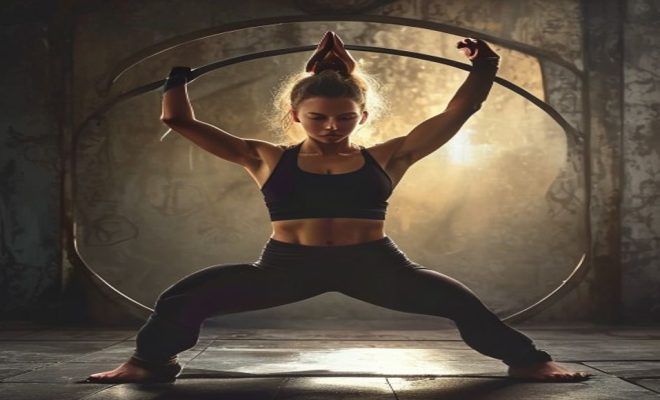
“`html
The warrior pose is a fundamental position in yoga that embodies strength, stability, and grace. It’s often one of the first postures introduced to beginners, yet it carries immense physical and mental benefits for practitioners of all levels. If you’re looking to deepen your yoga practice or simply want to improve your overall well-being, this warrior pose tutorial will guide you through everything you need to know—from the pose’s historical significance to practical tips and variations that can enhance your experience.
1. Understanding the Warrior Pose
Warrior pose, or “Virabhadrasana” in Sanskrit, is named after a mythical warrior named Virabhadra in Hindu mythology. The pose symbolizes courage and strength, drawing from the legend of Virabhadra, who was created by Shiva to avenge the death of his wife. This connection to ancient tradition adds a layer of depth to the practice, imbuing it with a sense of purpose and empowerment.
In terms of physical alignment, the warrior pose is designed to improve balance and enhance muscular strength, particularly in the legs, core, and arms. It also encourages proper posture and body awareness, which can translate into better alignment and stability in everyday activities. Engaging in this pose regularly can help reduce stress and anxiety, providing a sense of grounding amidst the chaos of daily life.
2. Benefits of the Warrior Pose
The benefits of incorporating the warrior pose into your routine are numerous and diverse. Primarily, it strengthens the legs, opens the hips and chest, and stretches the arms and spine. This means that by practicing this pose, you’re not just building physical strength, but you’re also enhancing your flexibility and overall body awareness.
Additionally, the warrior pose helps cultivate mental fortitude. Holding the pose for an extended period encourages focus and mindfulness, fostering resilience both on and off the mat. Many practitioners report feeling a sense of empowerment and confidence after performing this pose, which can be particularly beneficial when facing life’s challenges. Studies show that yoga, including poses like the warrior, can improve mood and lower levels of anxiety, making it a valuable tool for mental health.
One research study found that participants who practiced yoga regularly experienced a significant decrease in stress levels, showing that poses like the warrior can have a profound impact on emotional well-being. In fact, a 2016 study published in the Journal of Clinical Psychology found that individuals who engaged in yoga reported lower levels of depression and anxiety, further solidifying the warrior pose’s role as a mental health ally.
3. How to Perform the Warrior Pose: A Step-by-Step Guide
Ready to give it a try? Here’s a detailed warrior pose tutorial to help you get started:
- Begin in Mountain Pose: Stand tall with your feet together and arms at your sides. Take a few deep breaths to center yourself.
- Step Back: Take a big step back with your right foot, making sure the heel is aligned. Your left knee should be bent, while your right leg is straight but not locked.
- Align Your Hips: Ensure your hips are facing forward. This might take some adjustment, so don’t hesitate to reposition your feet if necessary.
- Raise Your Arms: Inhale and raise your arms overhead, parallel to each other, with palms facing inward. Keep your shoulders relaxed.
- Gaze Forward: Fix your gaze on your left hand or the space in front of you. This focal point helps maintain balance and concentration.
- Hold the Pose: Breathe deeply and hold the pose for 15-30 seconds, gradually extending the time as you become more comfortable.
- Exit the Pose: To release, lower your arms and step back to Mountain Pose. Repeat on the other side.
Make sure to listen to your body throughout this process. It’s perfectly fine to adjust your stance and find what feels right for you. If you feel any discomfort, consider slightly shifting your position until it feels more aligned.
4. Common Mistakes to Avoid
Even though the warrior pose is relatively simple, there are some common pitfalls that practitioners may encounter. One frequent mistake is allowing the front knee to extend beyond the ankle. This can put undue pressure on the joints and lead to discomfort. Instead, ensure that your knee stays directly above your ankle.
Another common issue is not engaging the core. A weak core can lead to instability and improper alignment, which can detract from the pose’s benefits. Focus on drawing your belly button gently towards your spine to activate your core muscles. (See: Overview of yoga practices.)
Lastly, some people struggle with maintaining a straight back. Avoid leaning too far forward or arching your back excessively. Instead, imagine elongating your spine as you sink deeper into the pose. Engaging your back muscles will help create a more stable and powerful structure for your body.
It can also be beneficial to practice in front of a mirror, allowing you to check your alignment. This visual feedback can help you correct any misalignments and reinforce proper posture.
5. Variations of the Warrior Pose
To cater to different levels of experience and individual needs, there are several variations of the warrior pose. Here are a few worth exploring:
- Warrior I (Virabhadrasana I): This variation has the front knee bent at a 90-degree angle and the back heel grounded, creating a more closed hip position and a stronger focus on balance.
- Warrior II (Virabhadrasana II): In this version, the arms are extended parallel to the ground, and the gaze is directed over the front fingertips. This opens the hips more and enhances lateral stability.
- Reverse Warrior (Viparita Virabhadrasana): Here, one arm reaches overhead while the other rests on the back leg, creating a beautiful side stretch that enhances flexibility in the lateral body.
- Extended Side Angle (Utthita Parsvakonasana): This advanced variation incorporates a deeper bend at the knee and places one forearm on the thigh, extending the opposite arm over the head for a full-body stretch that challenges balance and strength.
Each variation offers its own unique benefits, so don’t hesitate to explore them and discover which feels best for you. It’s also a good idea to incorporate these variations into your practice based on your energy levels and needs for the day.
6. Integrating the Warrior Pose into Your Routine
Incorporating the warrior pose into your yoga routine can be transformative. Whether you’re participating in a structured class or practicing at home, consider starting or ending your session with this pose to ground yourself.
You can use the warrior pose as a transition between more challenging poses. Its strength-building focus helps prepare the body for more advanced postures, making it an excellent bridge in your practice. Consider pairing it with poses like Downward-Facing Dog or Plank to create a balanced flow. Practicing dynamic sequences that include the warrior pose can also increase your heart rate and boost your stamina.
Additionally, warrior poses can be integrated into a strength training routine. By holding variations of the warrior pose with weights, you can further challenge your muscles and increase endurance. This cross-training approach can enhance your overall fitness and make your yoga practice even more rewarding.
Another effective way to integrate the warrior pose is through themed yoga sessions. For example, you could dedicate a practice to the theme of strength, where each pose is selected to highlight and build upon that concept. This keeps your practice engaging and purposeful.
7. Current Relevance of the Warrior Pose
With the rise of yoga’s popularity, especially during the last decade, the warrior pose remains a staple not just in yoga studios but also in mainstream wellness culture. Many people are turning to yoga as a way to combat stress and promote mental well-being, particularly during turbulent times.
The warrior pose is increasingly recognized for its holistic benefits. Physical therapists and fitness trainers are beginning to integrate yoga poses like the warrior into rehabilitation programs, highlighting its role in injury prevention and recovery. In fact, research indicates that regular yoga practice can lead to improved mobility and reduced pain in individuals recovering from injuries.
Moreover, in corporate wellness programs, the warrior pose has been highlighted for its ability to boost energy and focus. Taking a few minutes to perform this pose at your desk can help enhance productivity and mental clarity, making it a practical addition to a busy workday. (See: Health benefits of yoga.)
As workplaces increasingly acknowledge the benefits of mindfulness and physical wellness, the warrior pose can serve as an accessible means for employees to reconnect with their bodies and reduce stress during hectic workdays.
8. Mindfulness and the Warrior Pose
Practicing the warrior pose isn’t just about the physicality; it’s also an opportunity for mindfulness and introspection. As you hold the pose, focus on your breath and be present in the moment. This can help foster a deeper connection between mind and body, leading to greater self-awareness and emotional regulation. By training your mind to stay focused, you can build resilience not only in your practice but in your daily life.
Consider setting an intention before you practice. This could be a word or a phrase that resonates with you—like “strength,” “balance,” or “courage.” Focusing on your intention while you hold the warrior pose can enhance your practice and offer a mental anchor during challenging moments. Journaling about your experiences can also deepen your understanding of how the warrior pose affects your mindset over time.
Mindfulness exercises can further complement your practice. For instance, try to notice how your body feels in different areas while in the pose. Are your shoulders tense? Is your breath shallow? Bringing attention to these sensations can help you cultivate a mindful practice that extends beyond the mat.
9. Exploring the Historical Context of the Warrior Pose
The warrior pose carries a rich historical context that goes beyond its physical form. Originating from ancient Indian texts, the practice of yoga was first documented over 5,000 years ago. The namesake warrior, Virabhadra, is not merely a figure of strength but a representation of overcoming adversity and embracing one’s personal battles. This historical backdrop can deepen your yoga practice by connecting you to a lineage of warriors who have faced their own challenges with courage and determination.
In modern times, the warrior pose has transcended its original context, becoming a symbol of empowerment for many. As yoga has spread across cultures, it has been adapted and embraced by various communities, each interpreting the pose through their own lens. This ongoing evolution highlights the pose’s flexibility—not just in physical form but in its capacity to inspire strength in diverse ways.
Interestingly, the warrior pose has also found its place in various athletic training programs. Athletes from different sports, including basketball and martial arts, have integrated the warrior pose into their training regimens to enhance strength, balance, and mental focus, emphasizing its relevance across disciplines.
10. Frequently Asked Questions about the Warrior Pose
What should I wear when practicing the warrior pose?
Comfortable, stretchy clothing is ideal for practicing yoga. Look for fabrics that allow for movement and breathability. Many yoga practitioners prefer leggings or shorts paired with a fitted top.
Can beginners do the warrior pose?
Absolutely! The warrior pose is very accessible to beginners. Just remember to take your time and listen to your body. If you’re struggling with balance, practice near a wall for support. (See: Physical activity and health.)
How can I improve my balance in the warrior pose?
Improving your balance can come from practicing consistently. Focus on engaging your core and distributing your weight evenly on your legs. You can also practice balancing exercises outside of yoga, such as standing on one leg. Additionally, try closing your eyes while in the pose to enhance your proprioception, which can help improve balance over time.
Is there a specific time of day that is best for practicing the warrior pose?
You can practice the warrior pose at any time of day. Many people choose to do yoga in the morning to energize themselves for the day ahead, while others prefer to wind down in the evening. Listen to your body and practice when it feels best for you.
Are there any contraindications for the warrior pose?
If you have knee or hip injuries, consult with a healthcare provider or a qualified yoga instructor before practicing this pose. Modifications can often be made to accommodate various physical limitations, ensuring that you can safely practice yoga.
How long should I hold the warrior pose?
Holding the warrior pose for 15-30 seconds is a good starting point. You can gradually increase the duration as you become more comfortable and stronger in the position. Hold the pose for longer if you’re feeling stable and balanced, but always prioritize your comfort and alignment.
Can the warrior pose help with stress relief?
Yes! The warrior pose, like many yoga poses, encourages mindfulness and deep breathing, both of which are effective strategies for stress relief. By focusing on your breath and bodily sensations in the pose, you can cultivate a sense of calm and presence, helping to alleviate stress and anxiety.
11. Final Thoughts on the Warrior Pose Tutorial
The warrior pose is much more than a simple yoga posture; it encapsulates strength, resilience, and empowerment. By understanding its origins, benefits, and how to correctly perform it, you’re setting yourself up for success on your yoga journey. Remember, the key is to practice with intention and patience. As you incorporate this warrior pose tutorial into your routine, you may just find that it becomes a powerful tool for both physical and mental growth.
As you continue your exploration of yoga, consider how the principles of the warrior pose can influence other areas of your life. Whether it’s facing challenges with courage or standing firm in your beliefs, the warrior’s spirit can inspire you to embrace your journey with confidence and grace. Enjoy your practice and the transformations it brings!
“`
Trending Now
Frequently Asked Questions
What is the warrior pose in yoga?
The warrior pose, or 'Virabhadrasana,' is a foundational yoga position symbolizing strength and stability. Named after a mythical warrior, it enhances balance and muscular strength, particularly in the legs, core, and arms, while promoting proper posture and body awareness.
What are the benefits of practicing the warrior pose?
Practicing the warrior pose strengthens the legs, opens the hips and chest, and stretches the arms and spine. It also cultivates mental focus and resilience, helping to reduce stress and anxiety while improving overall body awareness.
How do you perform the warrior pose correctly?
To perform the warrior pose, stand with your feet wide apart, turning one foot out and bending the corresponding knee. Extend your arms parallel to the ground and gaze over your front hand. Keep your torso upright and engage your core for stability.
Is the warrior pose suitable for beginners?
Yes, the warrior pose is often one of the first postures introduced to beginners in yoga. Its focus on strength, stability, and alignment makes it accessible while providing numerous physical and mental benefits.
How long should you hold the warrior pose?
It is recommended to hold the warrior pose for 20 to 30 seconds, focusing on your breath and maintaining proper alignment. As you become more comfortable, you can gradually extend the duration to deepen your practice.
What’s your take on this? Share your thoughts in the comments below — we read every one.