Master the Sumo Deadlift: Technique, Benefits, and Tips
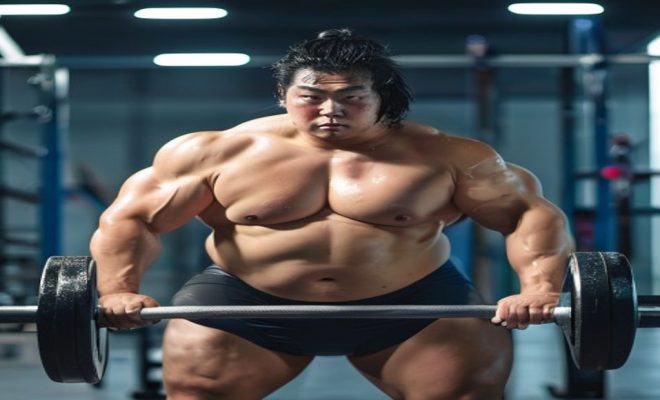
“`html
1. Introduction to the Sumo Deadlift
The sumo deadlift is a variation of the traditional deadlift that emphasizes a wider stance and a different grip. This unique positioning can lead to several benefits, making it a popular choice among powerlifters and athletes. In essence, the sumo deadlift involves placing your feet wider than shoulder-width apart, with your hands gripping the barbell inside your knees. This positioning allows for a more upright torso, which can reduce strain on the lower back and shift the emphasis onto the legs and hips.
As part of a well-rounded training program, the sumo deadlift can help improve overall strength, especially in the posterior chain, which includes your hamstrings, glutes, and lower back. But before you jump into this lift, it’s crucial to understand the proper technique and benefits of performing it correctly.
2. Benefits of the Sumo Deadlift
The sumo deadlift offers a range of benefits that can enhance your strength training regimen. First and foremost, it provides a greater emphasis on the quadriceps, making it an excellent choice for athletes looking to strengthen their legs. Additionally, due to the wide stance, many lifters find that they experience less strain on their lower back compared to traditional deadlifts.
Moreover, this variation can lead to improved hip mobility, which is essential not only for lifting but also for overall athleticism. Lifters often report better performance in other exercises due to the increased strength and stability gained from practicing the sumo deadlift regularly. Plus, it can be a refreshing change of pace from your standard deadlift, helping to prevent training plateaus.
In addition to the benefits already mentioned, the sumo deadlift can also be particularly advantageous for individuals with longer limbs. The wider stance can make it easier for taller athletes to achieve a more favorable lifting position, decreasing the distance the bar has to travel and allowing for potentially greater weight to be lifted.
Statistics from strength training studies suggest that athletes who incorporate sumo deadlifts into their routines often report up to a 10% increase in their overall deadlift performance within a few months. This statistic underscores the effectiveness of the sumo deadlift in contributing to strength gains.
3. Perfecting Your Form: Step-by-Step Guide
To execute the sumo deadlift effectively, following a precise setup is crucial. Here’s a step-by-step guide to ensure you perform the lift safely and efficiently:
- Stance: Stand with your feet wider than shoulder-width apart, with your toes pointed slightly outward. This stance helps open up the hips and create a stable base.
- Grip: Bend at the hips and knees to grasp the barbell with an alternating grip or double overhand grip. Your hands should be inside your knees.
- Set Your Hips: Drop your hips until your shins make contact with the bar. Your torso should remain upright during this process.
- Engage Your Core: Brace your core to stabilize your spine. Maintain a neutral spine posture throughout the lift.
- Lift: Drive through your heels, extending your hips and knees simultaneously. Keep the barbell close to your body and stand tall at the top.
- Lowering the Bar: Reverse the movement by hinging at the hips and bending your knees to lower the bar back to the ground, maintaining control.
Each of these steps is essential for executing a successful sumo deadlift. Practicing with lighter weights will allow you to focus on form before progressing to heavier loads. Additionally, consider filming your lifts or having a training partner observe your form to provide feedback, ensuring you consistently maintain proper technique.
4. Common Mistakes to Avoid
Even experienced lifters can fall prey to common mistakes when performing the sumo deadlift. Here are several pitfalls to watch out for:
- Incorrect Stance: Too narrow of a stance can lead to ineffective lifts and increased strain on the lower back. Ensure your feet are wide enough to engage the correct muscle groups.
- Rounding the Back: One of the most serious errors is allowing the back to round during the lift. Not only does this reduce the effectiveness of the exercise, but it can also lead to serious injuries.
- Pulling with the Arms: The sumo deadlift is a lower-body dominant lift. Focus on using your legs and hips to drive the lift, rather than pulling with your arms.
- Not Engaging the Core: Failing to brace your core can lead to a compromised spine position. Always engage your abs to support your back throughout the lift.
Recognizing these issues before they develop into habits can save you from injuries and help you make better gains in the long run. If you find yourself struggling with any of these mistakes, consider working with a coach or trainer who can provide tailored guidance to improve your execution of this lift.
5. Variations of the Sumo Deadlift
While the traditional sumo deadlift is highly effective, there are several variations that can enhance your training and target different muscle groups. Here are a few notable variations: (See: Benefits of strength training.)
- Sumo Deadlift with Chains: Adding chains to the barbell increases resistance as you lift, promoting strength gains throughout the entire range of motion.
- Sumo Deficit Deadlift: Performing the lift from a slight deficit (standing on a platform or plates) can increase the range of motion and improve strength at the bottom of the lift.
- Sumo Deadlift with Pause: Pausing at the bottom of the lift can help develop explosive power and reinforce proper form before standing up.
- Speed Sumo Deadlifts: Focusing on lifting lighter weights quickly can improve your explosiveness and overall power.
Incorporating these variations can keep your training engaging and help you break through plateaus by targeting muscles in different ways. Additionally, experimenting with different variations allows you to discover what works best for your body and goals, making your training more personalized and effective.
6. Incorporating the Sumo Deadlift into Your Routine
When it comes to integrating the sumo deadlift into your training regimen, a few factors should be considered. First, assess your overall workout goals. If your primary aim is to build strength, performing the sumo deadlift once or twice a week can be beneficial. You might want to set aside specific days for heavy lifting and incorporate lighter variations or accessory exercises on other days.
As a compound movement, the sumo deadlift works several muscle groups simultaneously. Therefore, it’s wise to pair it with complementary exercises. For example, following your sumo deadlift with exercises such as Romanian deadlifts or hip thrusts can bolster your posterior chain development. Additionally, core exercises like planks and hanging leg raises will enhance your stability and support during heavy lifts.
Consider also including unilateral movements, such as single-leg deadlifts or lunges, to address any imbalances in strength or mobility. This balance can greatly improve your overall performance and reduce the risk of injury.
7. Safety Considerations and Tips
Safety is paramount when performing the sumo deadlift. To minimize the risk of injury, start with lighter weights to master the form before progressing. Here are some key safety considerations:
- Warm-Up: Prioritize a thorough warm-up that includes dynamic stretches and mobility work to prepare your muscles and joints.
- Use Proper Footwear: Investing in appropriate weightlifting shoes can improve your grip and stability during lifts.
- Listen to Your Body: If you experience pain (not to be confused with muscle soreness) during the lift, stop immediately. Ignoring discomfort can lead to more serious injuries.
- Consider Coaching: If you’re new to the sumo deadlift, enlisting the help of a coach or experienced lifter can provide valuable feedback on your form and technique.
By adhering to these safety tips, you can ensure that your sumo deadlift sessions remain productive and injury-free. Remember, taking the time to ensure safety and proper form is more important than lifting heavy weights too soon.
8. Progress Tracking and Goals
Setting clear goals and tracking your progress is vital for success in strength training. When it comes to the sumo deadlift, consider establishing both short-term and long-term objectives. Short-term goals might include increasing your weight by a specific percentage over a few weeks, while long-term goals could involve reaching a certain number, whether it’s 1.5 times your body weight or competing in a powerlifting meet.
To track your progress effectively, maintain a workout journal or use an app to log your lifts, weights, volume, and any notes regarding your form or how you felt during the workout. This practice will not only help you see where you’ve improved but can also serve as motivation as you observe the strength gains over time.
Additionally, consider tracking your physical and psychological responses to the training. Factors such as energy levels, soreness, and motivation can provide insight into your overall progress and help you make informed adjustments to your training plan.
9. The Sumo Deadlift’s Relevance in Today’s Fitness Landscape
In today’s fitness culture, where functional strength and injury prevention are prioritized, the sumo deadlift holds significant relevance. This lift appeals to a diverse group of individuals, from competitive powerlifters to casual gym-goers looking to improve their overall strength.
With the rise of online fitness communities and social media, the sumo deadlift has also gained visibility among fitness enthusiasts. Tutorials, videos, and resources are readily available, allowing lifters of all levels to learn and perfect their technique. As a result, more people are incorporating this effective lift into their training, contributing to its growing popularity in gyms worldwide.
Research suggests that a significant percentage of fitness enthusiasts now include deadlift variations in their routines, with the sumo deadlift being favored for its versatility and effectiveness. In light of this trend, many gyms have started promoting deadlift workshops and training sessions to help individuals learn the nuances of this powerful lift. (See: Health benefits of physical activity.)
Whether you’re looking to compete or simply enhance your fitness level, the sumo deadlift is a powerful tool in a well-rounded strength training program. So grab that barbell, perfect your form, and enjoy the strength gains that come with mastering the sumo deadlift!
10. Common Questions about the Sumo Deadlift
What is the difference between the sumo deadlift and the conventional deadlift?
The primary difference lies in the stance and grip. The sumo deadlift uses a wider stance with feet positioned outside the hands, while the conventional deadlift has feet closer together. This alters the emphasis on muscle groups, with sumo deadlifts focusing more on the quadriceps and hips, whereas conventional deadlifts emphasize the hamstrings and lower back.
Is the sumo deadlift safer than the conventional deadlift?
Many lifters find the sumo deadlift to be safer due to the more upright torso position, which can reduce strain on the lower back. However, safety ultimately depends on individual biomechanics, lifting form, and prior injuries. It’s essential to prioritize proper technique in either variation to minimize injury risk.
Can beginners perform the sumo deadlift?
Yes! Beginners can absolutely perform the sumo deadlift. It may even be a preferable option for those who struggle with conventional deadlift form. Focusing on technique with lighter weights is crucial for beginners to develop strength and confidence.
How often should I do sumo deadlifts?
Incorporate sumo deadlifts into your routine once or twice a week, depending on your overall training goals and recovery capacity. Be sure to allow adequate rest between sessions to optimize performance and prevent overtraining.
Are there any equipment requirements for sumo deadlifts?
While you can perform sumo deadlifts on just a barbell and weights, investing in weightlifting shoes, a lifting belt, and possibly knee sleeves can enhance performance and support. Weightlifting shoes provide a stable base, while a belt can help with core stability during heavy lifts.
What kind of warm-up should I do before sumo deadlifting?
A proper warm-up should include dynamic stretches targeting the hips, hamstrings, and lower back. Movements like leg swings, hip circles, and air squats can help prepare your muscles for lifting. Additionally, performing lighter warm-up sets of sumo deadlifts can help activate the specific muscles used in the lift.
Can the sumo deadlift help improve my Olympic lifts?
Yes, the sumo deadlift can help improve your Olympic lifts by building strength in the legs and hips, which are crucial for maintaining power and stability during lifts like the clean and jerk or snatch. Improved strength in these areas can translate to better performance in Olympic lifting.
Should I use straps for sumo deadlifts?
Using straps can be beneficial if you’re lifting heavy weights and your grip strength is a limiting factor. However, it’s advisable to focus on building grip strength without straps during your training to ensure you develop overall strength and stability.
11. Frequently Asked Questions about Sumo Deadlifting
What muscles does the sumo deadlift primarily target?
The sumo deadlift primarily targets the quadriceps, hamstrings, glutes, lower back, and upper back. The wider stance emphasizes the hip extensors and also engages the adductors due to the foot position. (See: Effects of different deadlift techniques.)
How does the sumo deadlift affect athletic performance?
Incorporating sumo deadlifts into a training regimen can enhance athletic performance by improving lower body strength, which is crucial for sports that require sprinting, jumping, or quick changes in direction. Enhanced hip strength and mobility gained from sumo deadlifting can translate into more powerful movements in athletic competitions.
Is it possible to do sumo deadlifts without a barbell?
Yes, sumo deadlifts can be performed with kettlebells, dumbbells, or resistance bands. These alternatives can be useful for beginners or for those looking to modify their training due to equipment availability.
Can I combine sumo deadlifts with other types of deadlifts in my program?
Absolutely! Many lifters incorporate both sumo and conventional deadlifts in their program to benefit from the strengths of each variation. Just be sure to manage your volume and intensity to avoid overtraining.
What is the ideal rep range for sumo deadlifts?
The ideal rep range varies based on your goals. For strength building, aim for 3-6 reps with heavier weights. If you’re focusing on hypertrophy, consider 8-12 reps. For endurance or technique work, higher reps of 12-15 can be beneficial.
How can I improve my grip strength for sumo deadlifts?
Improving grip strength can be achieved through specific exercises like farmer’s carries, dead hangs, and using grip trainers. Additionally, incorporating heavier lifts and increasing frequency in your training can naturally enhance grip strength over time.
Are there any age restrictions for performing sumo deadlifts?
No specific age restrictions exist for performing sumo deadlifts; however, individuals should assess their fitness level, mobility, and any prior injuries or conditions. Youth athletes can benefit from weight training, including sumo deadlifts, provided they are supervised and instructed on safe techniques.
12. Conclusion: Embracing the Sumo Deadlift
The sumo deadlift is more than just a powerlifting technique; it’s a comprehensive exercise that can significantly enhance your overall fitness and strength. Regardless of your experience level, understanding the intricacies of this lift and incorporating it into your routine can lead to remarkable strength gains, improved athletic performance, and a more engaging training experience.
With its emphasis on form and safety, the sumo deadlift allows you to build a solid foundation while minimizing injury risk. As you progress, you’ll notice improvements not just in your lifting capabilities, but also in your daily functional movements. So whether you’re training for competition or just aiming to improve your fitness, the sumo deadlift is an essential component of a balanced workout regimen.
“`
Trending Now
Frequently Asked Questions
What is the difference between a sumo deadlift and a traditional deadlift?
The sumo deadlift features a wider stance with feet placed beyond shoulder-width apart, while the traditional deadlift has a shoulder-width stance. This positioning allows for a more upright torso during the lift, reducing lower back strain and shifting emphasis onto the legs and hips.
What are the benefits of doing sumo deadlifts?
Sumo deadlifts enhance quadriceps strength, reduce lower back strain compared to traditional deadlifts, and improve hip mobility. They can also contribute to better performance in other exercises and provide a refreshing variation to prevent training plateaus.
How do you perform a sumo deadlift correctly?
To perform a sumo deadlift, stand with your feet wider than shoulder-width apart and grip the barbell inside your knees. Keep your torso upright and engage your core as you lift the bar by driving through your heels, focusing on using your legs and hips.
Is the sumo deadlift better for tall people?
Yes, the sumo deadlift can be particularly advantageous for taller individuals. The wider stance allows for a more favorable lifting position, reducing the distance the bar needs to travel, which can make the lift more efficient.
Can sumo deadlifts help with overall strength training?
Absolutely! Incorporating sumo deadlifts into your training regimen can improve overall strength, particularly in the posterior chain, which includes the hamstrings, glutes, and lower back. This variation can enhance athletic performance and stability.
Agree or disagree? Drop a comment and tell us what you think.