Decorate Small Spaces: 7 Ingenious Ideas for 2024
“`html
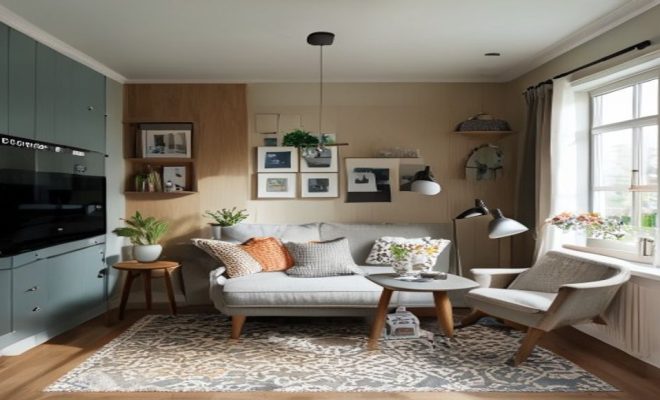
Living in a small space can often feel like a limitation, but it doesn’t have to be that way. With the right small space decorating ideas, you can turn your compact area into a stylish and functional haven. Whether you’re in a tiny apartment, a cozy studio, or a compact house, there are plenty of ways to maximize your space without sacrificing aesthetics. Below, we explore seven ingenious decorating ideas that will help you create a beautiful small space.
1. Utilize Multi-Functional Furniture
The key to successful small space decorating lies in choosing the right furniture. Multi-functional pieces are your best friends; they serve more than one purpose, helping to save space while adding style. For instance, consider a sofa bed that can transform your living room into a guest bedroom or a coffee table with storage compartments that can double as a footrest.
Also, look for ottomans that open up to reveal hidden storage. These can be used as seating, a coffee table, or even as a makeshift dining area. When selecting your furniture, opt for pieces that are proportionate to your space. Bulky furniture can overwhelm a small area, while sleek, streamlined pieces can create a more open feel.
2. Color Choices Matter
Color has a profound impact on how we perceive space. Lighter colors, such as whites, pastels, and light grays, can make a room feel airy and expansive. If you’re wondering how to use color effectively in your small space, consider painting your walls in a light shade and using slightly darker hues for your furniture or accessories to create depth.
Don’t shy away from using bold colors, either. An accent wall in a rich jewel tone can draw attention and create a focal point in the room. Just remember to balance bold colors with lighter elements to maintain an open atmosphere. Additionally, using mirrors can amplify light and color, making your space appear larger.
3. Smart Storage Solutions
In a small space, clutter can quickly become a problem. To combat this, consider integrating smart storage solutions into your decor. Think vertically—use wall-mounted shelves to take advantage of your wall space rather than relying solely on floor space. This not only keeps your items organized but also draws the eye upward, creating an illusion of height.
Utilizing under-bed storage can also free up space in your room. Consider using decorative bins or storage boxes that can slide under your bed for a clean look. Hooks and magnetic strips can be added to walls for hanging items like keys and kitchen utensils, ensuring everything has a designated place.
4. Embrace Minimalism
Minimalism is more than just a trend; it’s a lifestyle that fits perfectly with small space decorating. Adopting a minimalist approach encourages you to keep only what you truly need and love. This not only reduces clutter but also makes your small space feel more open and inviting.
To embrace minimalism, start by decluttering your space. Remove items that you haven’t used in a while or that don’t bring you joy. Once you’ve streamlined your belongings, focus on selecting a few key decor pieces that reflect your style. This allows you to maintain a clean space while still showcasing your personality.
5. Create Zones
In small living spaces, it’s essential to define different areas for various activities. Creating zones can help you utilize every inch of your space efficiently. A studio apartment, for instance, can include distinct areas for sleeping, working, and relaxing.
To create zones, consider using furniture placement to separate different areas. A bookshelf can act as a room divider between your living space and workspace. Alternatively, rugs can delineate specific areas, visually separating your dining area from your lounge area. Using these techniques can help make your small space feel more organized and functional. (See: Interior design principles.)
6. Incorporate Vertical Gardens
Introducing plants into your decor not only improves air quality but also adds a touch of nature to your home. For small spaces, vertical gardens are an excellent solution. These can be achieved by installing wall planters or using hanging pots that save precious floor space while bringing in greenery.
Choose low-maintenance plants like succulents, ferns, or snake plants that thrive indoors. Vertical gardens can be a stunning focal point and can complement your overall decor theme. Plus, they are a fantastic way to add life and energy to your space without taking up room.
7. Personal Touches
Finally, don’t forget to add your personal flair to your small space. Personal touches, such as artwork, photographs, or handmade decor, can make your home feel uniquely yours. Opt for small pieces that don’t overwhelm the space but still showcase your individuality.
Consider creating a gallery wall with your favorite prints or a collection of family photos. You can also incorporate meaningful decor items, such as travel souvenirs or heirlooms, to add character to your home. The goal is to create a space that reflects who you are while still adhering to the principles of small space decorating.
8. Incorporate Light and Brightness
Lighting plays a crucial role in how we experience our living spaces. A well-lit room can feel larger and more inviting. For small spaces, consider maximizing natural light by keeping window treatments light and airy. Sheer curtains or blinds can allow sunlight to filter in while providing privacy.
Additionally, layering your lighting can enhance the feel of your space. Use a mix of ambient, task, and accent lighting to create different moods. A combination of ceiling fixtures, floor lamps, and table lamps can add warmth and depth. For example, a stylish floor lamp can illuminate a cozy reading nook, while recessed lighting can brighten an entire room without taking up valuable space.
9. Use Rugs to Define Spaces
Rugs can be a powerful tool in small space decorating. They can help delineate different areas of your home, creating a sense of order and organization. For instance, placing a rug under your dining table can define the dining zone, while a different rug near the sofa can indicate the living area.
Choosing the right size is essential. Avoid rugs that are too small, as they can make a space feel disjointed. Ideally, the front legs of your furniture should sit on the rug to create a cohesive look. Additionally, consider using rugs with light colors or simple patterns, as these can make a room feel more spacious.
10. Incorporating Mirrors Strategically
Mirrors are a small space decorating secret weapon. They can reflect light and create the illusion of depth, making your space feel larger than it is. When placing mirrors, think about their positioning to maximize their effect—across from a window is a classic choice that can double the light coming into your room.
Consider using decorative mirrors as wall art or even as a functional element, like a mirrored closet door. A large mirror can serve as a statement piece, enhancing your decor while providing functionality. When it comes to shapes and styles, don’t hesitate to mix and match for an eclectic feel, keeping in mind that variety can add interest without overwhelming the space.
11. Emphasize Verticality
In small spaces, drawing the eye upward can create a sense of height and openness. Emphasizing vertical lines through your decor and furniture choices can enhance this effect. For instance, tall bookshelves or cabinets can draw the eye upward, making the ceiling feel higher.
You can also use artwork and wall decor that incorporates vertical lines or patterns. Vertical stripes on wallpaper or painted walls can visually lift a space. Consider hanging artwork higher on the walls, too—this trick can make ceilings feel taller and spaces feel more expansive. (See: Healthy Homes Initiative.)
12. Choose the Right Accessories
Accessorizing a small space requires careful selection to maintain balance. Opt for a few larger decorative items instead of many small ones, as clutter can easily accumulate in limited spaces. A statement vase or an oversized piece of art can become the focal point of your decor, allowing you to express your style without overwhelming your space.
When it comes to decorative items, consider multi-purpose accessories. For example, a decorative bowl can serve as both an aesthetic piece and a functional catch-all for keys and small items. Look for items that add to your decor while also serving a purpose, ensuring that everything in your small space is both beautiful and practical.
13. Maximize Your Ceiling Height
When it comes to small space decorating, one important aspect to consider is the ceiling height. If you have high ceilings, don’t let that space go to waste! Use tall shelving units or cabinets to draw the eye upward and take advantage of that vertical space. High shelving can also create a stylish display area for books, plants, or decorative items that adds depth to your home.
If your ceilings are low, try to avoid heavy, bulky light fixtures that can make the room feel even smaller. Instead, opt for flush-mount or pendant lighting that hangs close to the ceiling. This can keep the lines of the room clean and open, providing a more spacious feel.
14. Play with Patterns and Textures
While playing it safe with solid colors can be a good strategy in small spaces, don’t shy away from incorporating patterns and textures. Textured throw pillows, patterned curtains, or a cozy knitted blanket can add warmth and character to a room without taking up additional space. Patterns can also be used strategically to create visual interest without overwhelming your decor.
When introducing patterns, consider using them in areas that can act as focal points, such as a statement chair or a feature wall. This approach can create a sense of depth and intrigue without cluttering the space with too much visual information.
15. Opt for Open Shelving
Open shelving can be a stylish way to display your items while also providing storage. In a small kitchen, for example, consider replacing upper cabinets with open shelves to create a more airy feel. This allows you to showcase aesthetically pleasing dishware, plants, or cookbooks while making everything easily accessible.
In living spaces, open shelving can serve as both storage and decor. Arrange your favorite books, decorative boxes, and art pieces to create a curated look that can add a personal touch to your home. Just be mindful to keep the shelves organized to avoid a cluttered appearance.
16. FAQ: Common Questions About Small Space Decorating
What are some common mistakes to avoid in small space decorating?
Some common mistakes include overcrowding the space with too much furniture, choosing dark colors that absorb light, and neglecting vertical space for storage and decor. It’s best to keep it simple and thoughtful, focusing on a few key pieces that make a big impact.
How can I make my small space feel cozy rather than cramped?
To create a cozy atmosphere, incorporate soft textures, warm colors, and layers of lighting. Use throws, cushions, and rugs to add comfort. Personal touches, such as family photos or cherished decor, can also contribute to a warm, inviting feel. (See: Small space decorating tips.)
Are there any specific colors that work best in small spaces?
Light and neutral colors generally work best in small spaces as they reflect light and create an airy feel. However, you can also use bold colors sparingly as accents to add depth and interest without overwhelming the area.
How do I choose the right furniture for a small space?
Look for furniture that is scaled appropriately to your space. Prioritize pieces that offer multiple functions, such as a sofa bed or a coffee table with storage. Lightweight and easily movable pieces can also be beneficial, allowing you to rearrange your layout as needed.
Can I incorporate large furniture pieces in a small space?
Yes, but it’s important to choose wisely. Opt for larger pieces that have a low profile and are not overly bulky. A well-placed larger piece can serve as a focal point and add drama to your decor without making the space feel cramped.
What are some quick tips for refreshing my small space?
Simple updates can make a big difference. Consider rearranging furniture for a new layout, swapping out throw pillows or rugs, or adding fresh plants. Small changes, such as new artwork or updated lighting fixtures, can also have a significant impact.
How do I deal with awkward layouts in a small space?
Awkward layouts can be challenging, but they can also be an opportunity for creativity. Consider furniture that can be moved easily or flexible seating options like bean bags or folding chairs. Use rugs or dividers to define areas and create a cohesive flow. Finally, think about how you can repurpose furniture to fit your needs better; a console table can serve as a desk or a side table.
What is a good way to showcase my hobbies in a small space?
In small spaces, it’s important to be strategic about showcasing your hobbies. Consider wall-mounted displays for items like guitars, bicycles, or art supplies. Create a dedicated corner with a small desk for crafting or working on projects, and keep supplies organized in decorative bins. This not only highlights your interests but also keeps your area personal and vibrant.
With these small space decorating ideas, you can transform your compact area into a stylish and functional living space. Remember, it’s not about the size of your home, but how you choose to utilize the space you have. By embracing creativity and thoughtful design, you can achieve a beautiful and organized home that feels expansive and inviting.
“`
Trending Now
Frequently Asked Questions
What are some tips for decorating a small space?
To decorate a small space effectively, utilize multi-functional furniture, choose lighter colors to create an airy feel, and implement smart storage solutions to minimize clutter. Additionally, consider adding mirrors to amplify light and create a sense of openness.
How can I make a small room look bigger?
To make a small room look bigger, use light color palettes, incorporate mirrors to reflect light, and select sleek, proportionate furniture. Avoid bulky items that can overwhelm the space, and opt for multi-functional pieces to maximize utility without sacrificing style.
What colors are best for small spaces?
Lighter colors like whites, pastels, and light grays are best for small spaces as they create an airy atmosphere. You can also use bold accent colors strategically to create focal points, but balance them with lighter elements to maintain an open feel.
How can I maximize storage in a small space?
Maximizing storage in a small space can be achieved by using multi-functional furniture, such as ottomans with hidden storage, and incorporating vertical storage solutions like shelves. Additionally, decluttering regularly helps keep the space organized and functional.
What furniture is best for small apartments?
The best furniture for small apartments includes multi-functional pieces that serve more than one purpose, such as sofa beds and coffee tables with storage. Look for sleek, streamlined designs that fit the scale of your space to avoid overcrowding.
Agree or disagree? Drop a comment and tell us what you think.