
Charge Your Car Battery: A Step-by-Step Guide
“`html
If you’ve ever found yourself stranded with a dead car battery, you know how frustrating and inconvenient it can be. Whether you’re facing a dead battery after a long winter or simply parking your car for an extended period, understanding how to charge a car battery is an essential skill for every vehicle owner. This guide will not only walk you through the step-by-step process of charging a car battery but will also provide insights into battery maintenance, safety precautions, and troubleshooting techniques. Let’s dive in!
1. Understanding Car Batteries
Before we get into the specifics of how to charge a car battery, it’s important to understand what they are and how they function. Car batteries are typically lead-acid batteries that store electrical energy for starting the engine and powering electrical components in the vehicle. Most conventional car batteries have a nominal voltage of 12 volts, consisting of six cells, each providing about 2.1 volts.
Over time, batteries can lose their ability to hold a charge due to factors like age, corrosion, and constant exposure to extreme temperatures. Knowing when to recharge or replace your battery can save you from unexpected breakdowns. A well-maintained battery can last anywhere from three to five years, depending on usage and environmental conditions.
2. Signs Your Battery Needs a Charge
Recognizing the signs that your battery may need charging can help you avoid being left stranded. Common indicators include:
- Slow Engine Crank: If you notice your engine takes longer than usual to start, it may be a sign the battery is losing power.
- Dim Lights: Dimming headlights or interior lights can indicate insufficient voltage from the battery.
- Check Engine Light: This light may illuminate for various reasons, including battery-related issues.
- Electrical Issues: Problems with accessories or electronic components could signify that your battery is failing.
If you’re experiencing any of these symptoms, it might be time to consider how to charge a car battery or seek a replacement.
3. Gathering Your Equipment
Charging a car battery doesn’t require a plethora of tools, but you do need to be prepared. Here’s a list of the essentials you’ll need:
- Battery Charger: Opt for a good-quality charger that suits your battery type. Smart chargers with automatic shutoff features are highly recommended.
- Safety Gear: Always wear gloves and goggles to protect yourself from acid splashes and sparks.
- Wrenches: If your battery terminals are corroded, having a wrench can help you clean and tighten connections.
- Cleaning Supplies: Baking soda, water, and a toothbrush can help remove corrosion.
Having these items on hand will make the charging process smoother and safer.
4. Charging Your Car Battery: Step-by-Step
Now, let’s get into how to charge a car battery. Here’s a straightforward guide to help you through the process:
Step 1: Safety First
Before you begin, park your vehicle in a well-ventilated area away from flammable materials. Always wear safety goggles and gloves to protect yourself from battery acid and sparks.
Step 2: Check Battery Condition
Inspect the battery for any visible damage, leaks, or corrosion. If the battery is leaking or cracked, it’s best to replace it rather than attempt to charge it.
Step 3: Connect the Charger
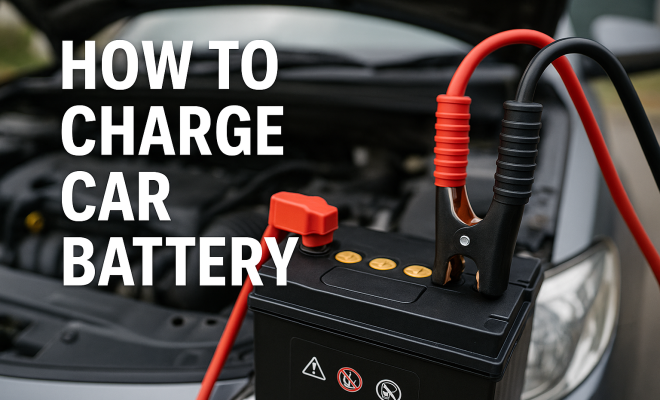
Connect the charger to the battery terminals. Start by connecting the red (positive) cable to the positive terminal of the battery, followed by the black (negative) cable to the negative terminal. Make sure the connections are secure. If you’re using a smart charger, set it to the correct charge mode.
Step 4: Charging
Turn on the charger and monitor the charging process. Depending on the charger and battery condition, this can take anywhere from a few hours to overnight. Most modern chargers will indicate when the battery is fully charged.
Step 5: Disconnecting
Once the battery is fully charged, turn off the charger before disconnecting the cables. Always remove the negative cable first, followed by the positive cable, to prevent sparks.
Step 6: Testing the Battery
After charging, it’s a good idea to test the battery’s voltage with a multimeter to ensure it’s holding the charge. A healthy battery should read around 12.6 volts or higher.
5. Alternative Charging Methods
If you don’t have access to a traditional battery charger, there are alternative methods to charge your car battery. Here are a few:
- Jump Starting: Using jumper cables to connect your dead battery to a working battery from another car is a quick solution. Make sure to follow the correct connection procedure to avoid damage.
- Solar Chargers: Solar chargers are a great option if you’re looking for an environmentally friendly solution. They can take longer to charge but are convenient for trickle charging.
- Trickle Chargers: These are low-amperage chargers that charge slowly over time and are perfect for maintaining battery health, especially in vehicles that aren’t used often.
While these methods can help, ensure you follow safety precautions during the process.
6. Maintenance Tips for Longevity
Charging a car battery can be straightforward, but regular maintenance is essential for prolonging its life. Here are some tips:
- Keep Terminals Clean: Regularly check and clean the battery terminals to prevent corrosion.
- Check Fluid Levels: For non-maintenance-free batteries, ensure that the electrolyte levels are adequate and refill with distilled water if necessary.
- Drive Regularly: Regular drives keep the battery charged. If you’re leaving your vehicle unused for extended periods, consider using a trickle charger.
A little regular maintenance can go a long way in extending your battery’s lifespan.
7. Troubleshooting Charging Issues
Sometimes, despite your best efforts, you may face challenges while charging your battery. Here are some common issues and their solutions:
- Battery Won’t Charge: This might indicate a severely discharged or damaged battery, or an issue with the charger. Test the charger with another battery to rule it out.
- Charging Takes Too Long: If charging takes longer than expected, check connections and ensure that the charger is functioning properly. A faulty charger can prolong the charging time.
- Frequent Battery Issues: If you find yourself needing to charge your battery frequently, it could be time to replace it, or there may be an underlying issue with your vehicle’s electrical system.
Identifying and addressing these issues promptly can save you time and frustration down the road.
8. Current Relevance: The Shift to Electric Vehicles
The automotive industry is undergoing a significant shift as electric vehicles (EVs) become more mainstream. While the specifics of how to charge a car battery differ for traditional internal combustion engines and electric vehicles, understanding charging fundamentals remains relevant. EVs often come with built-in charging solutions and hybrid models still use conventional batteries. As a car owner, it’s essential to stay informed about both types of charging systems.
As you explore how to charge a car battery, consider the implications of this evolving landscape. With advancements in battery technology and charging infrastructure, you might be looking at a future where charging a vehicle could be as common as filling up a gas tank.
9. When to Seek Professional Help
While knowing how to charge a car battery is invaluable, there are times when you should consult a professional. If you’re uncertain about your battery’s condition or if you encounter persistent issues, having a qualified mechanic assess the situation is wise. Additionally:
- If the battery is swollen or has signs of leaking, don’t attempt to charge it.
- If you are uncomfortable with performing the charging process yourself, reaching out to a professional can save you potential risks.
- For hybrid or electric vehicles, consider professional services for charging and maintenance due to the complexities involved.
Sometimes, trusting a professional is the best way to ensure your vehicle’s health and your safety.
10. Final Thoughts
Understanding how to charge a car battery empowers you as a vehicle owner. With the right tools, knowledge, and practices, you can ensure your battery remains in good condition and avoid those frustrating moments of being stranded. Remember to stay attentive to signs of battery distress, perform regular maintenance, and know when to step back and seek professional assistance. Whether you drive a traditional gasoline engine or an electric vehicle, understanding battery care enhances your overall driving experience.
11. Common Myths About Car Batteries
When it comes to car batteries, misinformation can lead to poor maintenance practices. Here are some common myths debunked:
- Myth 1: A battery is only dead if it won’t start the car. In reality, a battery can be weak and still start the car, but it may not hold a charge for long.
- Myth 2: Batteries don’t need maintenance. Many people believe that modern batteries are maintenance-free, but they still require regular checks, especially the fluid levels in non-sealed batteries.
- Myth 3: You should always charge a dead battery fully. Sometimes, a battery can be too far gone and may need to be replaced rather than recharged. If it fails to hold a charge after several attempts, it might be time to invest in a new one.
By understanding these myths, you can make more informed decisions about your vehicle’s battery care.
12. Battery Recycling: The Importance of Disposal
When your car battery reaches the end of its life, it’s crucial to dispose of it responsibly. Car batteries contain harmful substances, including lead and sulfuric acid, which can be detrimental to the environment.
Most auto parts stores and recycling centers accept used batteries for proper disposal. Recycling helps recover materials and reduces environmental impact. In fact, lead-acid batteries are one of the most recycled products in the world, with over 95% of materials being recoverable. This is not just beneficial for the planet, but it also helps in reducing the demand for raw materials in battery production.
Always check local regulations regarding battery disposal and recycling to ensure that you’re following the correct procedures.
13. Battery Performance and Weather Conditions
Your battery’s performance can be significantly affected by weather conditions. Extreme temperatures—both hot and cold—can have adverse effects:
- Cold Weather: In lower temperatures, the battery’s chemical reactions slow down, making it harder to start the engine. You may notice weaker performance or difficulties starting your vehicle after a cold night.
- Hot Weather: On the other hand, excessive heat can cause the battery fluid to evaporate, leading to damage and reduced lifespan. Regularly checking battery health can prevent unforeseen issues in both cold and hot climates.
Keeping your battery in good condition through these seasonal changes can ensure reliability whenever you need it.
14. FAQs About Charging Car Batteries
1. How long does it take to charge a car battery?
The time it takes to charge a car battery depends on its current state of charge and the type of charger you’re using. A standard charger can take anywhere from 4 to 12 hours, while a fast charger may do the job in a couple of hours.
2. Can I charge a car battery while it’s still in the car?
Yes, you can charge a car battery while it’s still in the vehicle. However, ensure that your battery charger is compatible and follow the manufacturer’s guidelines for safety.
3. What if my car battery keeps dying?
If your battery keeps dying, it could be a sign of several issues including a failing battery, a problem with your vehicle’s charging system, or even parasitic drainage from electrical components. A professional diagnostic can help identify the problem.
4. Is it safe to jump-start a car battery?
Jump-starting can be safe when done correctly. Always connect the cables in the proper sequence and ensure that the working vehicle is turned off before making connections to prevent electrical surges.
5. Can I use a regular battery charger on an AGM battery?
Using a regular charger on an Absorbed Glass Mat (AGM) battery is not recommended. AGM batteries require a specific charging profile. Ensure you have the correct charger designed for AGM batteries to avoid damage.
6. How often should I check my car battery?
It’s a good idea to check your battery at least twice a year or before heading on a long trip. Regular checks can identify issues early and prolong battery life.
7. What is the average lifespan of a car battery?
The average lifespan of a car battery is typically between three to five years. However, factors such as climate, driving habits, and maintenance can affect its longevity.
15. Exploring the Technology Behind Modern Batteries
The car battery technology landscape is continuously evolving. Traditional lead-acid batteries are now accompanied by advanced options like lithium-ion batteries, which are becoming more common in electric and hybrid vehicles. Lithium-ion batteries offer several advantages, including a higher energy density, lighter weight, and longer cycle life compared to lead-acid batteries. This shift has implications not just for performance but also for how we approach charging and maintaining these power sources.
For instance, lithium-ion batteries use different charging techniques. They often require specialized chargers that monitor the battery’s state to prevent overcharging, which can lead to battery degradation. Understanding these differences is essential for adapting your maintenance practices, especially if you own or plan to own an electric vehicle.
16. Battery Indicators: Understanding Your Dashboard
Many modern vehicles are equipped with sophisticated systems that monitor battery health and alert you to potential issues via dashboard indicators. Familiarizing yourself with these lights can be incredibly helpful:
- Battery Warning Light: This light usually resembles a battery symbol and indicates that there is a problem with the battery or charging system. If this light comes on, seek professional advice as soon as possible.
- Check Engine Light: Though this light can indicate various issues, it may also relate to battery performance. If you notice this light alongside other symptoms, investigate further.
- Voltage Gauge: Many vehicles come equipped with a gauge that shows battery voltage. Keeping an eye on this can help you identify issues before they become serious.
Understanding these indicators can save you from unexpected breakdowns and costly repairs.
17. Common Questions About Battery Maintenance
1. How can I tell if my battery is still good?
Besides testing with a multimeter, you can also perform a load test to determine the battery’s health. Many auto parts stores offer free battery testing to help you assess its condition.
2. What causes battery corrosion?
Corrosion is often caused by the reaction of sulfuric acid and lead in the battery, which creates a build-up of lead sulfate. This can be exacerbated by high humidity or overcharging.
3. Should I disconnect my battery during winter storage?
If you’re storing your vehicle for an extended period in winter, disconnecting the battery can prevent drainage. Alternatively, a trickle charger can help keep it charged without needing to disconnect it.
4. What is a parasitic drain?
A parasitic drain occurs when electrical devices in your vehicle continue to draw power from the battery when the engine is off. Common culprits include interior lights, alarm systems, or faulty wiring.
5. Can I use a jump starter instead of a charger?
Yes, a jump starter can serve as a temporary solution to start your vehicle, but it’s not a replacement for charging your battery. After jump-starting, you should still charge the battery to restore its health.
6. How do I maintain a battery in a classic car?
For classic cars, regular charging is essential, especially if the vehicle isn’t driven frequently. Using a battery maintainer can help keep the battery charged without overcharging it.
7. What happens if I overcharge my battery?
Overcharging can lead to excessive heat, which may cause the battery to swell, leak, or even rupture. It can significantly shorten the lifespan of your battery.