Mastering the Cast: Your Guide to Fishing Rod Techniques
“`html
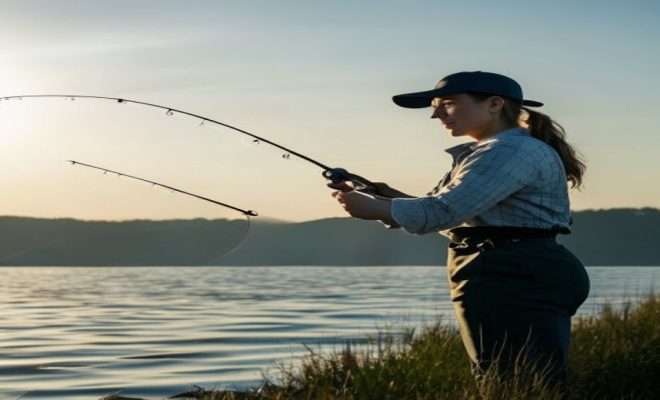
Fishing can be a relaxing pastime or an exciting adventure, but one skill remains central to both experiences: how to cast a fishing rod. Whether you’re a beginner eager to learn the ropes or an experienced angler looking to improve your technique, mastering the art of casting is essential for successful fishing. In this comprehensive guide, we’ll explore everything you need to know about casting a fishing rod—from the basics to pro tips, and even common mistakes to avoid.
1. The Anatomy of a Fishing Rod
Before you dive into casting techniques, it’s crucial to understand the components of a fishing rod. A typical fishing rod consists of the following parts:
- Rod Blank: The main body of the rod, which varies in length and flexibility.
- Handle: The grip area, often made from cork or EVA foam for comfort.
- Reel Seat: The part where the reel is attached, allowing for easy retrieval of line.
- Guides: Small rings that help guide the fishing line from the reel to the rod tip.
- Tip: The end of the rod, which is crucial for sensitivity when detecting bites.
Each of these components serves a specific purpose and contributes to the overall performance of the rod. Understanding these parts will help you make informed choices when selecting your gear and mastering casting techniques.
2. Choosing the Right Fishing Rod and Reel
When learning how to cast a fishing rod, selecting the right equipment can significantly impact your experience. Fishing rods come in various lengths, materials, and action types. For beginners, a medium-action rod between 6 to 7 feet long is generally recommended, as it’s versatile enough for different fishing styles.
As for the reel, spinning reels are often the best choice for novices due to their ease of use. When paired with a suitable rod, a spinning reel allows for smooth line release and retrieval. Look for a reel that offers a good drag system to help manage larger fish.
3. Basic Casting Techniques
To successfully cast a fishing rod, mastering the basic techniques is essential. Let’s break down the process into manageable steps:
- Grip the Rod: Hold the rod with your dominant hand about a foot from the reel, and use your other hand to support the rod.
- Position Your Body: Stand with your feet shoulder-width apart. Position your non-dominant foot slightly forward for balance.
- Load the Rod: Bring the rod tip back over your shoulder while keeping your elbow slightly bent. This action loads the rod with energy.
- The Cast: Swiftly move the rod forward in a smooth motion, releasing the line as the rod reaches its peak. Follow through to ensure accuracy.
Practice these steps in a park or an open area before you hit the water. The more you practice, the more natural the movements will become.
4. Understanding Different Casting Styles
While the basic casting technique is essential, there are different casting styles tailored to various fishing scenarios. Here are a few popular styles:
- Overhead Cast: The standard technique for most beginners, ideal for open water where obstacles are minimal.
- Sidearm Cast: Useful for casting under low-hanging branches or in tight spaces.
- Pitching and Flipping: Techniques used for precision casting in freshwater environments, especially in cover.
Each style has its nuances, so experimenting with them can greatly enhance your fishing proficiency. Practice different casting styles to see which works best for your specific fishing conditions.
5. Choosing the Right Line and Lures
Understanding the relationship between your line, lure, and rod is vital. When learning how to cast a fishing rod effectively, consider the following:
- Line Type: Monofilament, fluorocarbon, and braided lines each have their advantages and disadvantages. Monofilament is easy to handle, fluorocarbon is nearly invisible underwater, and braid offers high sensitivity.
- Lure Selection: The type of lure you use should match your target species. For example, jigs are effective for bass, while spinners attract trout.
Always match your line’s strength with the size of the fish you’re targeting. This combination of line and lure can greatly enhance your chances of a successful catch.
6. Environmental Considerations
Understanding the environment where you fish can significantly improve your casting technique. Different bodies of water present unique challenges, which may require adjustments to your casting style. Here are some key points to consider: (See: Wikipedia article on fishing rods.)
- Wind Conditions: Wind can significantly affect your cast. Learning how to angle your rod in relation to the wind can help you maintain accuracy.
- Water Current: Fishing in rivers or streams requires understanding how current affects your line and lure presentation.
- Obstacles: When casting near structures like trees or rocks, adjust your technique to avoid snags and ensure your line lands where you want it.
Taking time to assess these environmental factors will help you cast more effectively and catch more fish.
7. Practice Makes Perfect
As with any skill, practice is crucial when learning how to cast a fishing rod. Regular practice will help you develop muscle memory, improve accuracy, and increase your comfort level with various casting techniques. Here are a few tips for effective practice:
- Use a Target: Set up a target in your backyard or at a park to practice your accuracy. This simple exercise can help you refine your technique.
- Record Yourself: Use your phone to record your casting sessions. This can help you identify areas for improvement and track your progress over time.
- Join a Local Fishing Club: Connecting with experienced anglers can provide valuable feedback and tips to enhance your casting skills.
Regular practice will not only improve your casting ability but also increase your overall enjoyment of the fishing experience.
8. Common Mistakes to Avoid
When learning how to cast a fishing rod, it’s easy to fall into common pitfalls. Here are some mistakes to avoid:
- Overcasting: Casting too hard can lead to tangles and lost lures. Focus on smooth, controlled movements instead.
- Improper Grip: Holding the rod too tightly can lead to fatigue and reduce casting accuracy. Keep a relaxed grip.
- Ignoring Surroundings: Failing to assess the area can lead to snags or missed opportunities. Always be aware of your surroundings before casting.
Awareness of these common mistakes can save you time and frustration, allowing you to focus on honing your skills.
9. Advanced Casting Techniques
Once you’re comfortable with the basics, you might want to explore advanced casting techniques. These can provide greater distance and accuracy, especially in challenging conditions. Here are a few techniques to explore:
- Double Haul: A technique that involves pulling on the line with your rod hand while casting to increase line speed and distance.
- Sidestroke Technique: This involves a sidearm motion that can be effective when casting around obstacles or in low light conditions.
- Roll Cast: Useful when there’s limited backcast space, this technique enables you to cast when you’re close to a bank or obstruction.
Each of these techniques requires practice and patience, but mastering them can elevate your fishing game to new heights.
10. Staying Updated: Fishing Resources and Communities
Lastly, staying updated on fishing techniques, gear, and regulations is essential for any angler. Here are some resources and communities you might explore:
- Online Tutorials: Websites like YouTube have countless tutorials on casting techniques that can enhance your learning.
- Fishing Forums: Engaging with fellow anglers on forums can provide insights, tips, and support.
- Local Workshops: Many tackle shops and fishing organizations offer workshops and classes for all skill levels.
By actively engaging with these resources, you can continually refine your skills and stay updated on the latest fishing trends.
11. Understanding Fish Behavior
A crucial part of knowing how to cast a fishing rod effectively involves understanding fish behavior. Different species of fish exhibit unique behaviors and preferences, which can significantly impact your casting strategy. Here are some insights:
- Feeding Times: Fish tend to be more active during dawn and dusk, known as the “golden hours” for fishing. During these times, they are often closer to the surface, making them more accessible for casting.
- Water Temperature: Different species prefer different temperatures. For instance, bass are more likely to be found in warmer waters, while trout prefer cooler conditions. Adjust your casting location and techniques based on the water temperature.
- Seasonal Behavior: Fish behaviors change with the seasons. In the spring, they may be closer to shore for spawning, while in the summer, they might seek deeper, cooler waters. Understanding these patterns can inform your casting approach.
By aligning your casting strategy with fish behavior, you’ll increase your chances of making successful catches.
12. Using Technology to Enhance Your Fishing
In today’s digital age, technology can play a significant role in fishing. Here are some ways you can use tech to enhance your fishing experience:
- Fish Finders: These devices use sonar to detect fish underwater, making it easier to identify where to cast. They can provide depth readings and detail the underwater structure, helping you target your casts more effectively.
- Weather Apps: Knowing the weather is crucial for successful fishing. Apps that provide real-time weather updates can help you plan your trips around favorable conditions.
- Fishing Apps: Many apps allow anglers to log their catches, share experiences, and connect with other fishing enthusiasts. Some even provide insights on fishing spots based on community feedback.
Incorporating technology into your fishing routine can provide you with valuable insights and increase your success rate on the water. (See: CDC guidelines on fishing safety.)
13. Environmental Sustainability in Fishing
As anglers, it’s important to consider the environmental impact of our sport. Here are some practices to follow to promote sustainability:
- Catch and Release: Whenever possible, practice catch and release, particularly with species that are overfished. This helps ensure that fish populations remain stable for future generations.
- Use Eco-Friendly Gear: Look for fishing gear made from sustainable materials. Many brands now offer environmentally-friendly lines and lures.
- Follow Local Regulations: Always stay informed about local fishing regulations, including size and bag limits, to help protect fish populations and their habitats.
Adopting sustainable practices not only protects the fish but also ensures that fishing remains a viable hobby for years to come.
14. Common Fishing Myths Debunked
With fishing being a popular activity, several myths have emerged over time. Here are some common misconceptions debunked:
- Myth 1: You Need Expensive Gear to Fish Successfully: While quality gear can enhance your experience, many successful anglers catch fish with basic, affordable equipment.
- Myth 2: The Bigger the Lure, the Bigger the Fish: Size isn’t everything. Sometimes, smaller lures can be more effective in attracting fish, especially in pressured waters.
- Myth 3: Fish Can’t Bite in Cold Weather: Fish can still be active in cooler temperatures, particularly in warmer water bodies. It may require different tactics, but it’s entirely possible to catch fish year-round.
Understanding the truth behind these myths can help you approach fishing more realistically and effectively.
15. FAQ: Frequently Asked Questions About Casting a Fishing Rod
1. What’s the best way to practice casting?
The best way to practice casting is to find an open area, away from obstacles, where you can safely cast without the risk of snagging on trees or other objects. Use targets to improve your accuracy and consider recording your technique to evaluate your form.
2. How can I improve my casting distance?
To improve your casting distance, focus on your technique. Engaging your whole body in the cast, rather than just your arms, can add power. Additionally, practicing the double haul technique can significantly increase your casting distance by increasing line speed.
3. What type of fishing line is best for beginners?
For beginners, monofilament line is typically the best choice. It’s easy to handle, knots well, and is forgiving, making it suitable for learning. As you gain experience, you may want to experiment with fluorocarbon or braided lines depending on your fishing style.
4. How do I choose the right lure for different fish species?
Choosing the right lure depends on the species you’re targeting. Research the preferred prey of the fish and select lures that mimic those patterns. Local tackle shops can also provide valuable insights on the best lures for your area.
5. What should I do if my line gets tangled?
If your line gets tangled, stay calm. Avoid yanking on the line, as this can worsen the tangles. Instead, carefully unravel the knots, starting from the lure and working your way back to the reel. If the tangles are severe, you may need to cut the line and re-rig.
6. Is it necessary to use a swivel when fishing?
While not always necessary, using a swivel can help prevent line twist, especially when using spinning lures. It can also help you change lures easily without needing to re-tie knots frequently.
7. How often should I replace my fishing line?
It’s generally recommended to replace your fishing line at least once a season or after heavy use. Environmental factors like UV exposure, abrasion, and moisture can weaken the line, so regular inspections are crucial. (See: New York Times on fishing gear.)
8. Can I practice casting without going fishing?
Absolutely! You can practice casting in your backyard or a park. Just be mindful of your surroundings and ensure you have enough space to cast safely.
16. Safety First: Fishing Safety Tips
While fishing can be a fun and rewarding experience, it’s important to prioritize safety. Here are some safety tips to keep in mind:
- Wear a Life Jacket: If you’re fishing from a boat or near deep water, always wear a life jacket to ensure your safety in case of accidents.
- Stay Hydrated: Bring plenty of water, especially on hot days. Dehydration can sneak up on you and can lead to serious health issues.
- Be Mindful of Weather Conditions: Check the weather forecast before heading out. If severe weather is predicted, it’s best to postpone your fishing trip.
- Protect Yourself from the Sun: Use sunscreen and wear protective clothing to avoid sunburn, especially during long days on the water.
- Handle Fish Carefully: Use gloves or wet hands when handling fish to protect both yourself and the fish. Proper handling ensures you don’t get hooked and helps keep the fish healthy for release.
By following these safety tips, you can enjoy your fishing outings while minimizing risks.
17. Exploring Fishing Styles Around the World
Fishing techniques vary greatly across the globe, and understanding these can provide insight and inspiration for your own fishing journey. Here are a few notable fishing styles:
- Fly Fishing: Originating from Europe, this technique uses artificial flies to catch fish. It’s known for its finesse and requires skill in both casting and presentation.
- Ice Fishing: Popular in colder climates, this technique involves fishing through holes drilled in ice-covered lakes. It requires specialized gear and knowledge of fish behavior in cold water.
- Deep Sea Fishing: This is a more adventurous style that targets larger fish species in deep ocean waters. It often requires boats and specialized equipment.
- Catching with Nets: Used in many cultures, this method involves setting nets to capture fish in bulk. It’s often employed in commercial fishing.
Exploring these diverse fishing styles can broaden your understanding of the sport and perhaps inspire you to try something new.
18. Seasonal Fishing Strategies
Fishing success can often depend on the season. Each season brings its own set of challenges and opportunities. Here are some strategies for fishing in different seasons:
- Spring: As the water warms, fish become more active. Focus on shallow areas where fish spawn. Use lures that mimic baitfish or insects.
- Summer: Fish may seek cooler water in deeper areas during hot weather. Early morning or late evening can be the best times to cast, as fish are more active.
- Fall: Fish fatten up for winter, making this a prime time for fishing. They are often found in shallower waters, making them easier to catch.
- Winter: Ice fishing is popular in many areas. Fish can be less active, so patience is key. Look for deeper holes where fish may be hiding.
Understanding the seasonal patterns of fish can significantly improve your chances of a successful catch.
In summary, learning how to cast a fishing rod is an essential skill for any angler looking to enhance their fishing experience. With the right technique, equipment, and practice, you’ll be well on your way to casting like a pro. So grab your rod, hit the water, and enjoy the thrill of fishing!
“`
Trending Now
Frequently Asked Questions
What are the basic techniques for casting a fishing rod?
The basic techniques for casting a fishing rod include the overhead cast, sidearm cast, and roll cast. Each technique involves a specific motion of the rod and proper timing to ensure the line is released smoothly. Practicing these techniques will help improve accuracy and distance when casting.
How do I choose the right fishing rod for beginners?
For beginners, a medium-action fishing rod between 6 to 7 feet long is recommended. This length offers versatility for various fishing styles. Additionally, pairing the rod with a spinning reel simplifies the casting process and enhances the overall fishing experience.
What are common mistakes to avoid when casting a fishing rod?
Common mistakes when casting include using too much force, improper grip on the rod, and failing to check line tangles. Additionally, not following through with the cast can lead to poor accuracy. Practicing with a focus on technique will help avoid these pitfalls.
What parts of a fishing rod should I know?
Key parts of a fishing rod include the rod blank, handle, reel seat, guides, and tip. Understanding these components is essential for selecting the right gear and mastering casting techniques, as each part contributes to the rod's performance.
How do I improve my casting distance and accuracy?
To improve casting distance and accuracy, focus on your technique, including your grip, stance, and follow-through. Practice regularly and consider using lighter lures to enhance your casting motion. Additionally, ensuring that your fishing rod and reel are properly matched can also help.
Have you experienced this yourself? We'd love to hear your story in the comments.