Master Breakdance: A Comprehensive Tutorial for All Levels
“`html
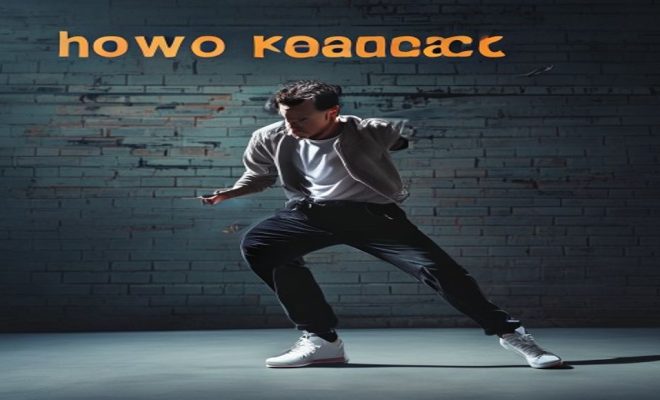
Breakdancing, or b-boying, is more than just a dance form; it’s a powerful cultural expression that combines athleticism, creativity, and rhythm. In this comprehensive breakdance tutorial, we’ll explore the roots of this captivating dance style, essential techniques to get started, and tips to elevate your skills. Whether you’re a beginner or looking to refine your moves, this guide offers something for everyone.
1. The Origins of Breakdance
Breakdance emerged during the late 1970s in the South Bronx, a melting pot of cultures and musical influences. It was a product of the hip-hop movement, which also gave rise to graffiti art and MCing. The dance style draws from various forms, including African, Caribbean, and even traditional street dances. Pioneering figures like DJ Kool Herc and Afrika Bambaataa shaped its early stages, making it a staple of urban culture.
As breakdancing spread from the Bronx to other urban areas, it became a global phenomenon. By the 1980s, breakdancing was featured in films like “Flashdance” and “Beat Street,” further propelling its popularity. The connection between b-boying and hip-hop is undeniable; both celebrate individuality, skill, and self-expression.
2. Understanding the Basic Moves
Before diving into complex routines, it’s crucial to master the basic moves of breakdancing. Here are some foundational techniques to include in your breakdance tutorial:
- Toprock: This is the standing phase of breakdancing, where dancers showcase their style and rhythm. It includes a series of steps and variations that set the tone for the performance.
- Downrock: Also known as footwork, this involves movements executed on the ground. It consists of intricate foot placements and transitions that provide fluidity to your routine.
- Power Moves: These are the acrobatic elements of breakdancing that demonstrate strength and control. Common power moves include the windmill, headspin, and flare.
- Freezes: A freeze is a pose that a dancer holds, showcasing balance and strength. It adds dramatic flair and allows for transitions between moves.
Each of these elements contributes to the overall performance, and practicing them diligently will create a solid foundation for your breakdance skills.
3. Getting the Right Gear
While breakdancing is about creativity, having the right gear can significantly enhance your performance. Here are essential items you’ll need:
- Comfortable Clothing: Opt for loose-fitting clothes that allow for movement. Breathable fabrics will keep you cool during intense sessions.
- Supportive Footwear: Invest in shoes that provide good grip and support. Many b-boys prefer sneakers with flat soles to facilitate better ground contact.
- Protective Gear: Consider using knee pads and wrist guards, especially when practicing power moves and freezes to prevent injuries.
Having the right gear not only enhances your performance but can also boost your confidence on the dance floor.
4. Learning from the Masters
No breakdance tutorial would be complete without acknowledging the legends who’ve paved the way. Figures like Crazy Legs, Ken Swift, and Storm have inspired countless dancers worldwide. Watching their performances can provide insight into advanced techniques and styles.
Participating in workshops or classes led by experienced b-boys can also accelerate your learning curve. These sessions often include structured practice and feedback, which are invaluable for mastering the art of breakdancing. Online platforms like YouTube and Instagram also feature tutorials from influential dancers, offering a treasure trove of knowledge.
5. Practicing with Purpose
Practice is the key to mastering breakdancing. However, it’s essential to practice effectively to maximize your progress. Here are some tips for effective practice:
- Set Specific Goals: Whether it’s mastering a new move or improving your stamina, having clear objectives will help track your progress.
- Consistency is Key: Make a practice schedule that you can stick to. Regular sessions will help reinforce muscle memory and improve your skills over time.
- Record Your Progress: Filming yourself can reveal areas for improvement. You’ll be able to see your rhythm, posture, and execution, which is crucial for refining your technique.
Practicing with purpose means being intentional with your time and understanding the areas that need improvement. This approach will enhance your growth as a dancer. (See: Breakdancing on Wikipedia.)
6. The Importance of Freestyling
Freestyling is a fundamental aspect of breakdancing that allows dancers to express their individuality. It’s not just about mimicking moves but creating your unique style. This spontaneity is what sets breakdancing apart from other dance forms.
To develop your freestyle skills, try dancing without a set routine. Listen to different genres of music and let your body respond naturally. Freestyling can also be a great way to relieve stress and enjoy the art of movement. The more you freestyle, the more you’ll discover your preferences and signature moves.
7. Building Community and Networking
Breakdancing is as much about community as it is about the dance itself. Connecting with other dancers can provide motivation, inspiration, and support. Attend local battles, workshops, and jam sessions to meet fellow b-boys and b-girls.
Joining a crew can also enhance your experience. Crews often train together, share tips, and compete as a unit. This camaraderie not only strengthens your skills but fosters friendships and connections within the dance community.
8. Participating in Competitions
For those looking to take their breakdancing to the next level, competitions offer a platform to showcase your skills. Whether local or international, battles allow dancers to perform, receive feedback, and challenge themselves against others.
Preparation for competitions involves honing your best moves, developing a cohesive routine, and understanding the judging criteria. Take the time to study previous battles to grasp what judges look for in terms of technique, style, and creativity.
9. Staying Inspired and Evolving
Finally, staying inspired is crucial in any artistic pursuit, including breakdancing. Explore different dance styles, attend performances, and keep an open mind. The dance world is ever-evolving, and embracing new trends and techniques will enrich your breakdancing practice.
Consider collaborating with dancers from other backgrounds to expand your repertoire. This fusion can lead to innovative styles and fresh ideas that keep your breakdancing journey exciting.
10. Advanced Techniques to Explore
As you progress in your breakdancing journey, you’ll want to challenge yourself with advanced techniques that can elevate your performance and impress your audience. Here are some exciting advanced moves to consider incorporating into your breakdance tutorial:
- Air Flare: This power move is an aerial version of the flare, where the dancer rotates their body in the air using their hands for support. It requires significant upper body strength and control.
- Backspin: A classic power move that involves spinning on your back while your legs are lifted. It can transition into various freezes or other footwork, making it a versatile addition.
- Toe Spin: This move showcases balance and control as the dancer spins on their toe. It can be incorporated into routines for a dramatic effect.
- 6-Step: A foundational footwork pattern, the 6-Step allows for fluid transitions and can be elaborated with variations to create unique sequences.
Practicing these advanced moves will not only enhance your skills but will also give you more confidence in performing intricate routines.
11. Physical Conditioning for Breakdancers
Breakdancing demands a high level of physical fitness. To excel, you should focus on conditioning your body to handle the intensity of the moves. Here are some exercises and routines to consider:
- Core Strength: Building core strength is essential for maintaining balance during power moves. Incorporate exercises like planks, leg raises, and Russian twists into your fitness routine.
- Flexibility Training: Stretching is crucial for preventing injuries and improving your range of motion. Consider adding yoga or dedicated stretching sessions to your weekly practice.
- Cardio Workouts: Breakdancing is an aerobic activity, so maintaining cardiovascular fitness is vital. Running, cycling, or high-intensity interval training (HIIT) can improve your stamina on the dance floor.
Incorporating these conditioning practices into your training will help you build the strength and endurance necessary for breakdancing.
12. Common Mistakes to Avoid
Even seasoned dancers can fall into bad habits that hinder their progress. Here are some common mistakes to watch out for as you practice: (See: Breakdancing in the Olympics – NY Times.)
- Neglecting Warm-Ups: Skipping warm-ups can lead to injuries. Always take the time to warm up your muscles before dancing to prevent strains.
- Overdoing It: While practice is important, overtraining can lead to burnout or injury. Listen to your body and take breaks when needed.
- Ignoring Technique: It’s easy to get caught up in flashy moves and forget about the basics. Always prioritize proper technique to ensure safety and effectiveness in your dancing.
By staying aware of these common pitfalls, you can maintain a healthy and productive breakdancing practice.
13. Inspirational Breakdance Videos
To stay motivated and inspired, check out some iconic breakdance performances from both past and present. Here are a few recommendations:
- “The Last Dance” Documentary: This Netflix series showcases Michael Jordan’s legendary career and features some incredible breakdancing moments during the 90s.
- Red Bull BC One: One of the most prestigious breakdancing competitions globally, featuring top b-boys and b-girls showcasing their best routines.
- Breakin’ (1984): This classic film helped popularize breakdancing and is a must-watch for anyone interested in the culture.
Watching these performances can spark your creativity and give you insights into various styles and techniques.
14. Frequently Asked Questions (FAQs)
Q: How long does it take to learn breakdancing?
A: The time it takes to learn breakdancing varies by individual. With consistent practice, you can expect to see noticeable improvements within a few months.
Q: Do I need to have any prior dance experience to start breakdancing?
A: No prior experience is necessary! Breakdancing is accessible to all, and beginners can quickly pick up the basics with dedication and practice.
Q: What age is too late to start breakdancing?
A: There’s no age limit! People of all ages can enjoy and learn breakdancing, so it’s never too late to start.
Q: Can breakdancing be done alone, or is it better to have a partner?
A: Breakdancing can be practiced alone or with others. While practicing solo allows you to focus on your technique, dancing with a partner or crew can provide additional motivation and feedback.
Q: Are there any online resources for learning breakdancing?
A: Yes, numerous online platforms offer tutorials, workshops, and performance videos. Websites like YouTube feature countless tutorials from experienced dancers, while dedicated breakdancing forums can provide community support and networking opportunities.
15. Understanding the Breakdancing Community
Being part of the breakdancing community is not just about the dance; it’s about understanding its culture, values, and history. As a newcomer, immersing yourself in this culture can greatly enhance your experience. Engage with fellow dancers and learn the unwritten rules that govern battles and jams. Respect is paramount; acknowledging the history of breakdancing and its pioneers is essential.
Engage in discussions about the evolution of breakdancing and the various styles that have emerged over the years. You’ll find that the community is inclusive and welcoming, encouraging diversity and creativity. Many dancers share their stories of how breakdancing has impacted their lives, offering a sense of belonging that transcends the dance floor. (See: Breakdancing's global phenomenon – BBC.)
16. The Role of Music in Breakdancing
Music is the heartbeat of breakdancing. The genre you choose greatly influences your style and moves. Classic hip-hop, funk, and even electronic beats can all set the tone for a session. Understanding the rhythm and beats of your music will help you find your flow and enhance your performance.
Try experimenting with different music styles in your practice sessions. This can help you develop a unique style that reflects your personality. Some dancers even create their mixes tailored specifically for breakdancing, combining various tracks to maintain energy and flow.
17. Spotlight on International Breakdancing
Breakdancing isn’t confined to the streets of New York; it’s a global phenomenon. Cities around the world have embraced and adapted breakdancing to reflect their cultural identities. For instance, in South Korea, breakdancing has become a mainstream art form, with competitions like the “Korea B-Boy Championship” drawing massive audiences and international competitors.
In Europe, countries like France, Germany, and the UK have vibrant breakdancing scenes, with events like the “Battle of the Year” showcasing top talent. These international events not only highlight the dancers’ skills but also foster cultural exchange and collaboration among dancers from different backgrounds.
18. Tips for Breakdancing in Public Spaces
When it comes to showcasing your breakdancing skills, public spaces can be a great option, but they come with their own set of challenges. Here are some tips for dancing in public:
- Choose Your Location Wisely: Look for flat surfaces and ample space. Parks, plazas, and community centers are often ideal spots to dance.
- Be Mindful of Your Audience: Always be aware of the people around you. Ensure that you have enough space and that your dancing doesn’t pose a hazard to others.
- Engage with Spectators: If you notice a crowd forming, don’t hesitate to engage with them. Breakdancing performances can be more enjoyable when there’s interaction, and it may even inspire someone to join in!
19. Future of Breakdancing
As breakdancing continues to evolve, it is also gaining recognition on global platforms. With the inclusion of breakdancing as an Olympic sport starting in the Paris 2024 Olympics, the future looks bright for this art form. This recognition will not only bring more exposure but also attract younger generations to the dance, ensuring its legacy continues.
As a dancer, you can be part of this evolution by pushing boundaries and innovating your style. The dance community thrives on creativity, so don’t hesitate to experiment with new moves and concepts.
In summary, mastering breakdancing requires dedication, practice, and a willingness to learn from others. As you work through this breakdance tutorial, remember that the essence of b-boying is about expressing yourself through movement. So lace up your sneakers, hit the floor, and let your unique style shine!
“`
Trending Now
- our breakdown of a visitors guide to northshore, new zealand
- our breakdown of what’s on a high school transcript? understanding the components
- our breakdown of “5 evidence-based strategies to improve math fluency in middle school classrooms”
- this guide on how nonverbal communication impacts conflict resolution
- our breakdown of the role of fine motor skills in kindergarten readiness and academic success
Frequently Asked Questions
What are the basic moves in breakdancing?
The basic moves in breakdancing include toprock, downrock, power moves, and freezes. Toprock is the standing phase where dancers showcase their style. Downrock involves footwork on the ground, while power moves demonstrate acrobatics. Freezes are static poses that showcase strength and control.
Where did breakdancing originate?
Breakdancing, or b-boying, originated in the late 1970s in the South Bronx, New York. It emerged as part of the hip-hop movement, influenced by various cultural and musical backgrounds, and quickly became a global phenomenon.
What is the significance of breakdancing in hip-hop culture?
Breakdancing is a vital aspect of hip-hop culture, celebrating individuality, skill, and self-expression. It evolved alongside other hip-hop elements like graffiti and MCing, embodying the creativity and athleticism inherent in urban art forms.
How can beginners start learning breakdancing?
Beginners can start learning breakdancing by mastering the basic moves such as toprock and downrock. It's essential to practice regularly and gradually incorporate power moves and freezes to build skills and confidence in their routines.
What are some popular power moves in breakdancing?
Popular power moves in breakdancing include the windmill, headspin, and flare. These acrobatic elements showcase strength and control, allowing dancers to impress audiences with their technical abilities and creativity.
What’s your take on this? Share your thoughts in the comments below — we read every one.