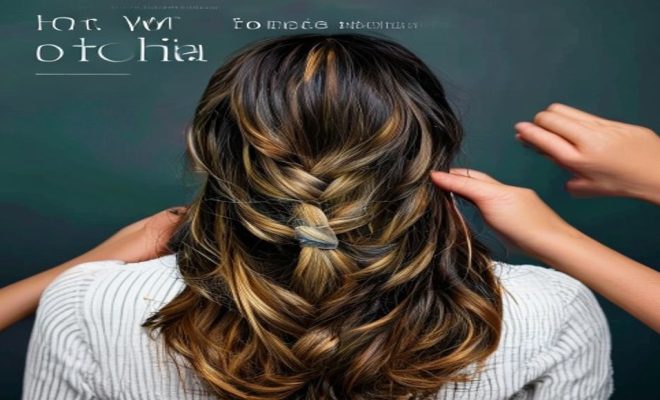
How to braid hair
“`html
Knowing how to braid hair is more than just a fun skill; it’s an art that spans cultures and generations. From simple three-strand braids to intricate fishtails, mastering the different techniques can elevate your hairstyle game. Whether you’re looking for a quick everyday style or something spectacular for a special occasion, this guide will walk you through the steps, tips, and variations of braiding hair.
1. The Basics of Hair Braiding
Before diving into specific styles, it’s crucial to understand the fundamentals of braiding. At its core, braiding involves weaving three or more strands of hair together. The most common braid is the classic three-strand braid, which consists of dividing the hair into three sections and alternately crossing them over one another.
To start, make sure that your hair is clean and dry. While you can braid wet hair, it might not hold the shape as well as dry hair. A little product, like mousse or styling cream, can help add grip to slippery hair, making it easier to manipulate during the braiding process.
2. Tools of the Trade
Having the right tools can make a significant difference in your braiding experience. Here are some essentials:
- Brush or Comb: To detangle your hair before you start braiding.
- Hair Ties: Use these to secure the ends of your braid.
- Hair Clips: These can section off parts of your hair while you work on your braid.
- Hair Spray: To keep flyaways at bay and ensure your braid stays put.
Investing in high-quality tools can save you time and frustration. Look for hair ties that don’t snag or break hair, and choose brushes that smoothly glide through without tugging.
3. Step-by-Step: The Classic Three-Strand Braid
Now that you have a grasp of the basics, let’s get into the most common braid— the three-strand braid. Here’s how to do it, step by step:
- Preparation: Start by brushing your hair to remove any tangles. Part your hair down the middle if you want two symmetrical braids, or leave it all together for a single braid.
- Sectioning: Divide your hair into three equal sections: left, middle, and right.
- Begin Braiding: Cross the right section over the middle section. The right section now becomes the middle.
- Continue Braiding: Next, cross the left section over the new middle section. Keep alternating sides until you reach the end of the hair.
- Secure: Once you reach the end, secure the braid with a hair tie.
With practice, you’ll find your rhythm and speed will improve, making this style a quick go-to option for any occasion.
4. Exploring Variations: Fishtail and French Braids
Once you’re comfortable with the classic braid, it’s time to expand your skills with some variations. The fishtail and French braids are two popular styles that can add flair to your look.
Fishtail Braid: This braid creates a stunning effect that looks intricate but is surprisingly simple to master. Divide your hair into two sections. Take a small piece from the outer edge of one section and cross it over to the other section. Repeat until you reach the ends. The key is to take small pieces for that beautiful fishtail effect.
French Braid: The French braid is fantastic for keeping hair off your face while looking stylish. Begin similarly to a three-strand braid, but each time you cross a section over, add more hair from the sides. This technique allows the braid to sit flat against the scalp and gives an elegant look. (See: Understanding the history of braids.)
5. Incorporating Accessories
Accessories can transform a basic braid into a statement hairstyle. Hairpins, ribbons, and beads make for excellent additions. Here’s how to incorporate these accessories:
- Hairpins: Use decorative pins to secure the braid or add visual interest by placing them within the braid.
- Ribbons: Weave a ribbon through your braid as you go for a pop of color and texture.
- Beads: Slide beads onto the ends of a braid or add them while braiding for a playful touch.
Experimenting with different accessories can help you create unique looks for various occasions, whether it’s a casual day out or a formal event.
6. Common Mistakes and How to Avoid Them
Even seasoned braiders can make mistakes. Here are some common pitfalls and how to sidestep them:
- Uneven Sections: Make sure your hair is divided evenly. Unequal sections can lead to a lopsided braid.
- Pulling Too Tight: While you want your braid to look neat, pulling too tight can lead to discomfort or breakage. Keep it firm but not painful.
- Neglecting Flyaways: Use a bit of hair spray or gel to tame any flyaways and keep your braid looking polished.
By being aware of these common mistakes, you can improve your braiding technique and achieve a flawless look each time.
7. Styling Tips for Different Hair Types
Understanding your hair type is essential for mastering how to braid hair. Different textures and lengths can affect how a braid looks and holds. Here are tailored tips:
- Straight Hair: This hair type often holds braids well but can be slippery. Use a texture spray or mousse to add grip.
- Curly Hair: Curls can add volume but may be challenging to braid neatly. Try using a leave-in conditioner to smooth out your strands before braiding.
- Thick Hair: Thick hair can be heavy, making it hard to hold a braid in place. Use strong elastic and consider adding a few extra hair ties for security.
- Thin Hair: For fine hair, braids may look sparse. Consider using volumizing products and teasing the roots for added texture.
By adapting your technique to suit your hair type, you can achieve stunning results regardless of your texture.
8. Popular Braiding Trends in 2023
As with any fashion skill, braiding trends evolve over time. In 2023, several styles have gained traction, making them hot choices for those looking to refresh their look:
- Chunky Braids: Thick, bold braids have become increasingly popular, offering a standout statement.
- Half-Up Braids: This style combines the elegance of braids with the casualness of loose hair, perfect for any event.
- Boxer Braids: These tight, two-braided styles have been a favorite among athletes and influencers, ideal for active lifestyles.
Staying updated on trends can keep your style fresh and ensure your braids remain fashionable and fun.
9. Practice Makes Perfect
Finally, the most crucial tip for mastering how to braid hair is practice. Don’t get discouraged if your first attempts don’t turn out as expected. Like any skill, braiding takes time to perfect. Here are some ways to enhance your skills:
- Practice on Different Hair Types: Experiment with friends or family to practice on various textures and lengths.
- Watch Tutorials: There are countless video tutorials online that can provide visual guidance for different styles.
- Be Patient: Give yourself grace as you learn. Each braid will teach you something new!
With persistence and creativity, you’ll find yourself braiding like a pro in no time. So grab your tools, gather your hair, and start practicing!
10. Advanced Braiding Techniques
Once you’ve perfected the basic styles, you might want to challenge yourself with advanced braiding techniques. These can take your skills to the next level and provide you with a wider variety of styles to work with: (See: Health considerations for hair products.)
10.1 Dutch Braid
The Dutch braid is often referred to as an “inside-out” braid. Unlike the French braid, where sections are crossed over each other, Dutch braiding involves crossing the sections under one another, creating a raised effect. Start as you would with a French braid, but instead of crossing the strands over, cross them underneath. This technique gives your braid a thicker appearance and is great for adding volume.
10.2 Waterfall Braid
If you’re looking for a romantic style, the waterfall braid is perfect. This braid lets sections of hair fall free, creating a cascading effect. To create this braid, start with a section of hair at the front and divide it into three. Braid normally, but drop the bottom section every time you cross it over. Instead, pick up a new piece of hair from the top and continue braiding. This style works beautifully for special occasions.
10.3 Lace Braid
The lace braid is similar to the French braid but involves adding hair only from one side. This technique creates a beautiful, delicate look and is perfect for half-up hairstyles. Start at one side of your head, and as you braid, only pick up hair from that side while leaving the other side consistent with the braid.
11. Hair Care Before and After Braiding
Proper hair care plays a vital role in the outcome of your braids. Taking care of your hair before and after braiding can make a significant difference in how your braids look and how long they last.
- Before Braiding: Make sure to wash your hair with a gentle shampoo and conditioner to keep it healthy and hydrated. Consider using a leave-in conditioner or hair serum to minimize frizz and enhance shine.
- After Braiding: Once you remove your braids, take the time to nourish your hair. Use a deep conditioning treatment or hair mask to replenish moisture and repair any damage caused by the tension of the braids.
12. FAQs About Braiding Hair
Here are some frequently asked questions that can help you in your braiding journey:
12.1 How long does it take to learn how to braid hair?
Learning how to braid can vary significantly from person to person. Some may pick it up in a few hours, while others may take a couple of days or weeks to feel comfortable. Regular practice is key!
12.2 Can you braid short hair?
Absolutely! Short hair can be braided, although the styles may be limited compared to longer hair. Consider smaller braids or incorporating braids into updos to add detail and style.
12.3 Do I need to use products when braiding my hair?
Using products like mousse or styling cream can help with grip, especially if your hair is smooth or slippery. However, it’s not mandatory. It ultimately depends on your hair type and the style you’re attempting.
12.4 How do I prevent breakage while braiding?
To avoid breakage, always be gentle when sectioning and braiding your hair. Use hair ties that won’t snag hair, and don’t pull too tightly. Additionally, giving your hair a break from braids regularly is essential for its health.
12.5 What are some good hairstyles that incorporate braids?
There are countless hairstyles that can incorporate braids! Some popular options include braided buns, crown braids, and braided ponytails. Mixing and matching different styles can lead to unique and stunning results. (See: Educational resources on hair techniques.)
13. Tips for Braiding Hair in Different Cultures
Braiding hair has deep cultural significance in many parts of the world. Understanding different cultural practices can enhance your appreciation for this art form. Here are a few noteworthy styles:
- Box Braids: Commonly associated with African culture, box braids involve sectioning the hair into square-shaped divisions. This style is both protective and incredibly versatile, as it can be worn in various lengths and thicknesses.
- Cornrows: Another African tradition, cornrows are tight, continuous braids that lie flat against the scalp. This style is not only practical but has also been used as an expression of identity and art.
- Traditional Native American Braids: In many Native American cultures, braids symbolize beauty and strength. Depending on the tribe, the styles and meanings can vary considerably, often representing cultural heritage and spiritual connection.
- Japanese Braids: In Japan, braiding has historical roots with styles such as “Obi,” where hair is intricately woven into ornate shapes often seen during traditional ceremonies.
When experimenting with different braiding styles, it’s essential to respect their origins and meanings while having fun with your personal twist.
14. Bridal and Special Occasion Braids
Braids can be stunning choices for brides and special occasions. Here are some styles that work wonderfully for formal events:
- Braided Updo: This elegant style combines multiple braids pinned into a sophisticated bun, perfect for weddings or galas.
- Crown Braid: A crown braid encircles the head, creating a regal look. It’s ideal for brides wanting to achieve a fairytale aesthetic.
- Side Braids: A loose, flowing side braid can add a romantic touch to any outfit, making it suitable for both brides and bridesmaids.
Incorporating flowers or delicate accessories can enhance the beauty of these styles, making them even more special for the occasion.
15. Choosing the Right Braid for Your Face Shape
The type of braid you choose can accentuate your facial features. Here’s how to select the best braid based on your face shape:
- Round Face: Opt for braids that add height, like a high crown braid or a top knot combined with braids.
- Square Face: Soft, loose braids with waves can soften the angles of your face. Consider a fishtail braid that hangs over one shoulder.
- Heart-Shaped Face: A side braid or a half-up, half-down style can balance out a wider forehead while highlighting your cheekbones.
- Oval Face: Almost any braid style will look fantastic, but a classic three-strand braid or a loose braid will enhance your natural proportions.
Choosing a braid that suits your face shape can enhance your features and make your hairstyle more flattering.
16. Conclusion
With this comprehensive guide on how to braid hair, you now have the tools and knowledge to explore a world of creativity with your hairstyles. From classic styles to intricate techniques, the possibilities are endless. Remember that practice is key, and don’t hesitate to play around with different styles and accessories to make them your own. Happy braiding!
“`
Trending Now
Frequently Asked Questions
What are the basic steps to braid hair?
To braid hair, start by detangling it with a brush or comb. Divide the hair into three equal sections and alternately cross the outer strands over the middle strand. Continue this pattern until you reach the end, then secure the braid with a hair tie.
What tools do I need for braiding hair?
Essential tools for braiding hair include a brush or comb for detangling, hair ties to secure the braid, hair clips to section off hair, and hair spray to manage flyaways and keep the braid intact.
Can I braid wet hair?
While you can braid wet hair, it’s recommended to braid dry hair for better hold and shape. If you choose to braid wet hair, consider using a product like mousse for added grip.
How do I make my braid last longer?
To make your braid last longer, use hair spray to tame flyaways and secure the style. Additionally, using high-quality hair ties that don’t snag or break hair can help maintain the integrity of your braid throughout the day.
What is the most common type of braid?
The most common type of braid is the classic three-strand braid, which involves dividing the hair into three sections and alternately crossing them over each other to create a woven effect.
What did we miss? Let us know in the comments and join the conversation.