Master Blind Baking: Achieve Perfect Pie Crusts Every Time
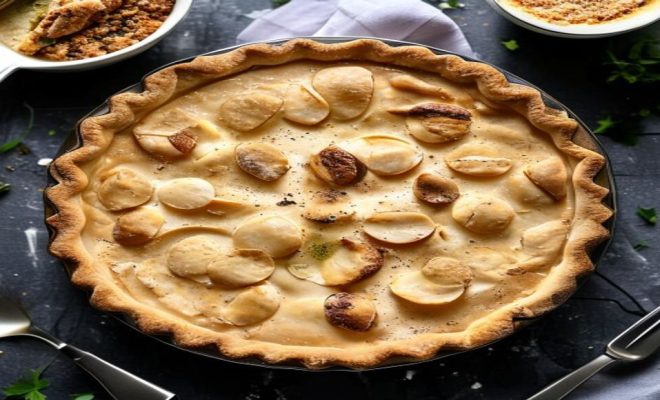
“`html
When it comes to baking, pie crusts often serve as the unsung heroes of desserts. A well-executed blind bake pie crust can elevate any pie, ensuring a flaky, golden shell that perfectly complements sweet or savory fillings. However, many home bakers hesitate to try their hand at blind baking, often due to uncertainty about the process. In this comprehensive guide, we will explore everything you need to know about blind baking, from the essentials of pie crust preparation to troubleshooting common issues.
1. Understanding Blind Baking
Blind baking is the technique of pre-baking a pie crust before adding any filling. This method is especially useful for custard or cream pies, where an unbaked crust might become soggy. The process involves lining the crust with parchment paper, filling it with weights, and baking it until it achieves a desirable level of doneness.
The origins of blind baking can be traced back centuries, as bakers have always sought ways to improve their pastries. The goal is to create a barrier that prevents moisture from seeping into the crust, thus maintaining its texture and flavor. With the right technique, blind baking can result in a beautifully crisp crust that enhances your pie’s overall appeal.
2. Choosing the Right Pie Crust
The first step in the blind baking process is selecting the right pie crust. You can either make your own from scratch or opt for a store-bought variety. If you choose to make your pie crust, the key is to use high-quality ingredients, including flour, butter, and salt. Many bakers prefer a butter-based crust for its rich flavor and flaky texture.
When making dough, consider using a food processor for quick mixing, but be cautious not to overwork the dough. A well-made crust should be chilled before rolling to prevent it from shrinking during baking. If you’re short on time, premade crusts are a convenient alternative; just look for options without preservatives or artificial ingredients for the best flavor.
3. Essential Tools for Blind Baking
Having the right tools at your disposal can make blind baking a breeze. Here are the essentials:
- Pie Dish: A ceramic or glass pie dish retains heat well and promotes even baking.
- Parchment Paper: This will line the crust and allow for easy removal of weights.
- Baking Weights: These can be ceramic beads, dried beans, or rice, which help maintain the crust’s shape during baking.
- Rolling Pin: For rolling out your dough to the desired thickness.
- Pastry Brush: Great for brushing the crust with egg wash or butter for enhanced flavor.
Investing in quality tools can significantly improve your blind baking experience, making it easier and more enjoyable.
4. The Blind Baking Process: Step-by-Step
Now that you have your crust and tools, let’s walk through the step-by-step process of blind baking:
- Prepare the Dough: If you’re making your crust, roll out your dough to about 1/8-inch thick and transfer it to your pie dish.
- Chill the Crust: Refrigerate the crust for at least 30 minutes. This helps reduce shrinkage during baking.
- Preheat the Oven: Set your oven temperature at 375°F (190°C).
- Line the Crust: Once chilled, line the crust with parchment paper, leaving some overhang.
- Add Weights: Fill the parchment-lined crust with baking weights to prevent bubbling.
- Bake: Place the pie dish in the preheated oven and bake for about 15-20 minutes.
- Remove Weights: Carefully lift the parchment paper and weights from the crust.
- Finish Baking: Return the crust to the oven for an additional 5-10 minutes, or until it’s golden brown.
Following these steps will yield a perfectly blind-baked pie crust that serves as a solid foundation for your favorite fillings.
5. Common Pitfalls and How to Avoid Them
Even the most seasoned bakers encounter challenges when blind baking. Here are some common pitfalls and tips for avoiding them: (See: learn about pastry techniques.)
- Soggy Bottoms: This occurs when moisture from the filling seeps into the crust. To combat this, make sure to properly blind bake your crust until it is fully set and dry before adding any wet fillings.
- Crust Shrinking: If your crust shrinks during baking, it might not have chilled long enough. Always chill your dough before baking to help it maintain its shape.
- Uneven Baking: This can happen if your oven temperature is too high or too low. Use an oven thermometer to ensure the temperature is accurate.
By being aware of these potential issues, you can take steps to ensure your blind bake pie crust turns out perfectly every time.
6. Creative Variations to Try
Once you’ve mastered the basic process of blind baking, you can start experimenting with different crust flavors and textures. Consider these options:
- Whole Wheat Crust: Replace some or all of the all-purpose flour with whole wheat flour for a nuttier flavor and added nutrition.
- Nut Crust: Ground nuts like almonds or pecans can create a delicious gluten-free alternative that’s rich and flavorful.
- Herb-Infused Crust: Incorporate dried herbs into your dough for a savory twist, perfect for quiches or savory pies.
These variations can enhance both the flavor and texture of your pies, making them even more unique and enjoyable.
7. What to Make After Blind Baking
Now that you have a perfectly blind-baked crust, what should you fill it with? Here are some delicious pie and tart ideas:
- Custard Pies: Classic options like pumpkin pie or lemon custard benefit greatly from a pre-baked crust.
- Fruit Tarts: Fresh fruit tarts with pastry cream are a delightful way to showcase seasonal fruits.
- Savory Quiches: Egg-based quiches filled with vegetables and cheese are an excellent way to make use of your crust.
With your blind-baked pie crust ready, the possibilities are endless. Each filling can transform your crust into a standout dish, perfect for any occasion.
8. Storing Blind Baked Crusts
If you’ve made more than one blind-baked crust or want to prepare ahead of time, proper storage is essential. Here are some tips:
- Cool Completely: Ensure your crust is completely cooled before storing it to prevent sogginess.
- Wrap Well: Use plastic wrap or aluminum foil to wrap the crust tightly, preventing it from absorbing odors from the fridge or freezer.
- Freeze for Longer Storage: A blind-baked crust can be frozen for up to three months. Just remember to label it with the date so you can keep track of its freshness.
Storing your crusts effectively will make it easier to whip up spontaneous pies whenever the craving strikes!
9. The Relevance of Blind Baking Today
In today’s culinary world, where baking trends and techniques continuously evolve, blind baking remains a fundamental skill for both novice and experienced bakers. Its importance is underscored by the growing popularity of pie-focused cafes and artisanal bakeries that emphasize quality crusts. Understanding how to blind bake pie crust not only enhances your baking repertoire but also enables you to produce pies that stand out for their taste and texture.
As more people embrace home cooking and baking, mastering this technique can set you apart, allowing you to create pies that are worthy of any holiday table or special occasion. And with endless possibilities for fillings, the options are as varied as your imagination!
10. FAQs About Blind Baking
Here are some frequently asked questions about blind baking that might help clarify the process and answer any lingering queries:
What is the purpose of blind baking?
Blind baking is essential for preventing a soggy crust when using wet fillings, such as custards or fruit. It ensures the crust is fully cooked and can hold its shape, leading to a more appealing texture and flavor in the final pie.
How long should I blind bake a pie crust?
The typical blind baking time is around 15-20 minutes at 375°F (190°C) with weights, followed by an additional 5-10 minutes uncovered until golden brown. Timing may vary based on your oven and the thickness of your crust, so keep an eye on it! (See: New York Times pie crust recipe.)
Can I use regular sugar instead of baking weights?
While you can use regular sugar as a weight, it’s not the most effective option since it may caramelize. It’s better to stick with dried beans, rice, or ceramic weights designed for blind baking, which can be reused for this purpose.
Should I poke holes in the crust before blind baking?
Poking holes in the bottom of the crust, known as docking, is helpful if you’re baking it without weights. However, when using weights, it’s not necessary as they will keep the crust in place and prevent bubbling.
Can I blind bake a store-bought pie crust?
Absolutely! Store-bought pie crusts are great for blind baking. Just follow the same steps as you would with homemade crusts, including chilling the dough and using weights during the initial bake.
What happens if I forgot to chill the dough?
If you forget to chill the dough, you might notice more shrinkage while baking. The crust may also be tougher, losing some of its flakiness. While it’s still possible to bake without chilling, it’s recommended to always take this step for best results.
Can I freeze a blind-baked crust?
Yes, a blind-baked crust can be frozen! Cool it completely, wrap it tightly, and store it in the freezer for up to three months. Just remember to thaw it before adding your filling.
11. Blind Baking as a Culinary Skill
Mastering the art of blind baking is not only about perfecting a technique; it’s also about gaining a deeper understanding of baking as a whole. Many desserts rely on a well-prepared pie crust, and being skilled in blind baking allows you to explore a variety of recipes with confidence.
As you become more familiar with the nuances of blind baking, you’ll start to notice how this foundational skill can be applied to many other baking projects. From tarts to quiches, the principles of blind baking are transferable, enriching your overall baking knowledge.
12. Exploring the Science Behind Blind Baking
Understanding the science behind blind baking can enhance your skills and help you troubleshoot problems. The key to a successful blind bake lies in the Maillard reaction, which occurs when sugars and amino acids in the flour and butter react under heat. This reaction creates a golden crust and enhances flavor.
Additionally, the moisture content of your crust is crucial. If the dough is too wet, it may not bake properly, resulting in a soggy bottom. Conversely, overly dry dough can lead to a crumbly crust. Experimenting with different flour types and hydration levels can yield different textures, allowing you to customize your crust.
Moreover, temperature plays a significant role. Chilling the crust solidifies the fat within the dough, creating a flaky texture when baked. If you skip this step, you risk a tough crust due to gluten development. Keeping ingredients cold throughout the process is essential for achieving that desired flakiness. (See: scientific aspects of pie crust.)
13. Blind Baking Around the World
Blind baking isn’t just a technique seen in American kitchens; it’s practiced globally. For instance, in France, tart crusts are often blind baked to achieve the perfect base for tarts like tarte Tatin. The French use a technique called “cuit à blanc,” which translates to “cooked blind,” emphasizing the importance of pre-baking the crust to prevent sogginess.
In Italy, the famous crostata employs a similar approach. This rustic tart is often filled with fruit preserves or ricotta cheese and requires a perfectly baked crust. Blind baking is critical for ensuring the crust remains crisp against moist fillings.
Different cultures may use unique herbs, spices, or ingredients in their crusts, reflecting regional flavors. Exploring these variations can be a fun way to incorporate international influences into your own baking.
14. Tips From Professional Bakers
Learning from professionals can enhance your blind baking skills significantly. Many chefs recommend using a mixture of butter and shortening for a rich flavor and tender texture. This combination allows for better flakiness and stability than using butter alone.
Another tip is to use a light hand when rolling out the dough. Overworking the dough can lead to tough crusts. Instead, try to roll it out gently and evenly. If you notice any cracks while transferring it to the pie dish, just press the dough back together with your fingers. No one will notice after it’s baked!
Professional bakers also advise against using aluminum foil for lining, as it can stick to the crust. Instead, opt for parchment paper or reusable silicone baking mats for easier removal.
15. Conclusion: The Joy of Blind Baking
Blind baking might seem daunting at first, but with practice, it becomes an enjoyable part of your baking routine. With so many delicious pies and tarts to create, learning to perfect your blind bake pie crust opens up a world of possibilities. So gather your ingredients, dust off your tools, and start experimenting! You’ll soon discover the satisfaction that comes with creating a beautifully baked pie that’s sure to impress family and friends alike.
“`
Trending Now
Frequently Asked Questions
What does it mean to blind bake a pie crust?
Blind baking is the process of pre-baking a pie crust without any filling. This technique helps to prevent a soggy crust, especially in custard or cream pies, by creating a barrier that keeps moisture out, resulting in a flaky, golden shell.
How do you prepare a pie crust for blind baking?
To prepare a pie crust for blind baking, line it with parchment paper, fill it with weights (like pie weights or dried beans), and bake until it reaches a desirable level of doneness. This ensures the crust maintains its shape and texture during the baking process.
Can you use store-bought pie crust for blind baking?
Yes, you can use store-bought pie crust for blind baking. Choose a high-quality option without preservatives or artificial ingredients. This can save time and still yield a delicious, flaky crust for your pie.
Why is blind baking important for certain pies?
Blind baking is crucial for pies with wet fillings, like custards or creams. It helps prevent the crust from becoming soggy, ensuring a crisp texture and enhancing the overall flavor and presentation of the pie.
What are some common issues when blind baking pie crust?
Common issues when blind baking include shrinking crusts or uneven baking. To avoid these, ensure the dough is well-chilled before rolling and use weights to keep the crust in place during baking. Proper technique can help achieve a perfect blind-baked crust.
What did we miss? Let us know in the comments and join the conversation.