Master the Art of Brownies: Fudgy, Cakey, and Chewy
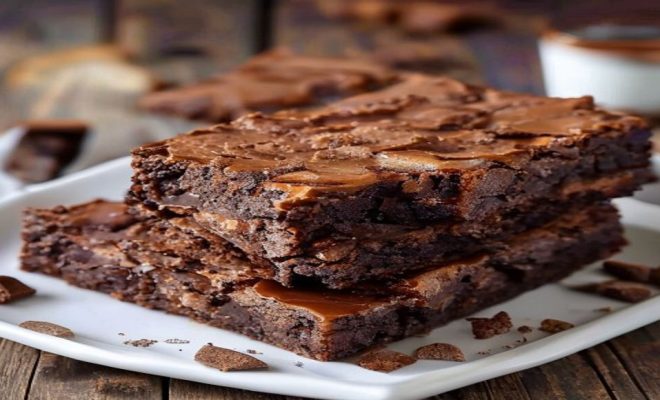
“`html
Brownies are more than just a dessert; they’re a beloved treat that evokes nostalgia and warmth in many of us. Whether you prefer them fudgy or cakey, brownies have a way of satisfying a sweet tooth and bringing people together. But have you ever wondered how to make brownies that stand out from the rest? In this guide, we’ll explore various methods, tips, and secrets to elevate your brownie game. Read on to discover how to make brownies that will leave everyone asking for seconds.
1. The History of Brownies
Brownies have a rich history that dates back to the late 19th century. Some sources trace their origins to the 1893 Chicago World’s Fair, where a chef was asked to create a dessert that would be easy to eat at a fair. The result was a brownie — a small, chocolate dessert that could be cut into squares. Initially, brownies were more like chocolate cakes, but over time, recipes evolved, leading to the moist and dense treat we know today. Interestingly, the first published brownie recipe appeared in the 1906 edition of the Boston Cooking-School Magazine, sparking a trend that would later take America by storm.
2. Understanding Brownie Types
Before you dive into baking, it’s essential to understand the different types of brownies available. Generally, brownies can be categorized into three main styles: fudgy, cakey, and chewy. Fudgy brownies are rich and dense, making them incredibly indulgent. They contain more fat than flour, resulting in a moist texture. On the other hand, cakey brownies have a lighter, fluffier texture due to the higher flour content and the addition of baking powder. Chewy brownies strike a balance between the two, offering a satisfying bite without being overly dense. Knowing the type you prefer will help guide your baking process.
3. Essential Ingredients for Perfect Brownies
To master how to make brownies, it’s crucial to use high-quality ingredients. Here’s a breakdown of the essentials:
- Chocolate: Whether you opt for cocoa powder or melted chocolate, quality matters. Dark chocolate is often recommended for its rich flavor.
- Butter: Use unsalted butter for better control over the salt levels in your recipe.
- Sugar: Granulated sugar is standard, but brown sugar can add moisture and depth of flavor.
- Eggs: Eggs provide structure and moisture. Room temperature eggs work best.
- Flour: All-purpose flour is typical, but experimenting with alternatives like almond flour can yield interesting results.
While these are the basic ingredients, don’t hesitate to add extras like nuts, chocolate chips, or caramel swirls to create your signature brownie.
4. Step-by-Step Guide to Making Brownies
Now that you’re familiar with the ingredients, let’s go through a straightforward recipe to help you master how to make brownies:
- Preheat Your Oven: Set your oven to 350°F (175°C).
- Prepare Your Baking Pan: Grease a 9×13-inch baking pan or line it with parchment paper for easy removal.
- Melt Butter and Chocolate: In a saucepan over low heat, combine butter and chocolate until melted. Stir until smooth.
- Mix Sugar and Eggs: In a mixing bowl, whisk together sugar and eggs until well combined.
- Add Dry Ingredients: Gently fold in flour, cocoa powder, and salt until just combined.
- Pour into Pan: Transfer the brownie batter into the prepared pan and spread it evenly.
- Bake: Bake for 20-25 minutes or until a toothpick inserted into the center comes out with a few moist crumbs.
- Cool and Serve: Allow the brownies to cool in the pan before cutting into squares.
Following these steps will get you well on your way to delicious brownies!
5. Common Mistakes to Avoid
Like any baking endeavor, there are pitfalls to watch out for when learning how to make brownies. Here are some common mistakes:
- Overmixing: Mixing the batter too much can lead to tough brownies. Mix just until combined.
- Incorrect Oven Temperature: Always preheat your oven. An oven thermometer can help ensure accurate temperature.
- Skipping the Cooling Time: Patience is key! Letting brownies cool before cutting allows them to firm up and enhances the flavor.
Avoiding these common pitfalls will help you achieve brownie perfection every time! (See: History and types of brownies.)
6. Creative Variations to Try
Once you get comfortable with the basics of how to make brownies, consider experimenting with variations. Here are a few ideas to inspire you:
- Nutty Brownies: Add walnuts or pecans for a crunchy texture.
- Mint Chocolate Brownies: Incorporate mint extract or mint chocolate chips for a refreshing twist.
- Blondies: For a different flavor, try a blondie recipe that uses brown sugar and vanilla instead of chocolate.
- Stuffed Brownies: Create a surprise center by adding caramel, peanut butter, or cheesecake batter in the middle of your brownie mix.
These variations not only add flavor but also keep things exciting in the kitchen!
7. Serving Suggestions
How you serve your brownies can elevate them from ordinary to extraordinary. Here are some serving ideas:
- Ice Cream: Serve warm brownies topped with a scoop of vanilla ice cream for a classic dessert.
- Fresh Berries: Adding a handful of fresh raspberries or strawberries can introduce a delightful tartness.
- Chocolate Sauce: Drizzling melted chocolate or caramel sauce on top adds an indulgent touch.
- Powdered Sugar: A light dusting of powdered sugar can enhance presentation.
Make your brownies visually appealing and even more delicious with these serving ideas.
8. Storing Brownies
Once you’ve made a batch of brownies, you might wonder how to best store them. Proper storage can keep your brownies fresh and delicious for longer. Here are some methods:
- Room Temperature: Store brownies in an airtight container at room temperature for up to four days.
- Refrigeration: If you want to extend their shelf life, brownies can be stored in the fridge for about a week.
- Freezing: For longer storage, freeze brownies. Wrap them tightly in plastic wrap and place them in an airtight container. They can last up to three months.
Storing brownies properly ensures you can enjoy them whenever a craving strikes.
9. Brownie Baking Equipment
Having the right tools can make a significant difference in your brownie-baking experience. Consider investing in:
- Baking Pan: A sturdy, non-stick baking pan is essential for even baking.
- Mixing Bowls: Use a set of mixing bowls in various sizes for different stages of your baking.
- Spatula: A silicone or wooden spatula helps in mixing and transferring batter without sticking.
- Cooling Rack: Allowing brownies to cool on a rack ensures even cooling and prevents sogginess.
With the right equipment, you’ll find the baking process much smoother and more enjoyable.
10. Join the Brownie Revolution
With countless recipes and variations available, the art of how to make brownies is one that you’re sure to enjoy. Whether you’re baking for a special occasion or just indulging in a sweet treat at home, the possibilities are endless. Don’t be afraid to experiment; the kitchen is your playground. Each batch you make can be an opportunity to explore flavors, textures, and presentation. Join the brownie revolution today, and share your creations with friends and family — you never know, you might just invent the next brownie craze!
11. Healthier Brownie Alternatives
If you’re looking to reduce sugar or calories without sacrificing flavor, there are several alternatives to traditional brownie recipes. Here are a few ideas: (See: Nutrition information and guidelines.)
- Black Bean Brownies: Using black beans instead of flour creates a fudgy texture while boosting the protein content. Puree canned black beans and substitute them for flour in your brownie batter.
- Avocado Brownies: Mashed avocado can replace butter in brownie recipes, providing healthy fats and a creamy texture. This swap also adds a hint of flavor without making the brownies taste like avocado!
- Banana Brownies: Overripe bananas can replace sugar and fat in brownies, resulting in a naturally sweetened treat. Just mash the bananas and substitute them for sugar in the recipe.
- Gluten-Free Brownies: For those with gluten intolerances, using almond flour or a gluten-free all-purpose flour blend can yield delicious results without compromising texture.
These alternatives allow you to enjoy brownies guilt-free while still indulging your sweet tooth!
12. FAQ: How to Make Brownies
What’s the secret to fudgy brownies?
The secret to fudgy brownies lies in the ratio of fat to flour. Using more fat (like butter or chocolate) relative to flour creates a dense and moist brownie. Additionally, using less flour can result in a richer texture.
Can I use cocoa powder instead of chocolate in brownies?
Yes, you can use cocoa powder, but make sure to adjust the fat content. If you’re substituting cocoa powder for melted chocolate, you typically use 3 tablespoons of cocoa powder for every 1 ounce of chocolate. You’ll also need to add an extra tablespoon of fat (butter or oil) to account for the missing fat in cocoa powder.
How can I enhance the flavor of my brownies?
There are many ways to enhance brownie flavor. Consider adding espresso powder to deepen the chocolate flavor, or a dash of vanilla extract for warmth. Mixing in spices like cinnamon or sea salt can also elevate the taste significantly.
Can I make brownies ahead of time?
Absolutely! Brownies can be made ahead of time and stored. Just make sure they are completely cooled and stored in an airtight container. They also freeze well, so you can prepare a batch in advance and thaw them when you’re ready to enjoy!
What’s the best way to cut brownies?
To achieve clean cuts, use a sharp knife and warm it under hot water before slicing. Wipe the knife clean between cuts to avoid dragging the brownie edges. This technique will give you those perfect square pieces!
Can I use flavored extracts in brownie recipes?
Yes, flavored extracts such as almond, orange, or peppermint can add a unique twist to your brownies. Just remember to use them sparingly; a little goes a long way!
How do I know when my brownies are done baking?
To check if brownies are done, insert a toothpick in the center. If it comes out with a few moist crumbs attached, they are done. If it comes out wet with batter, they need more time. If it comes out completely clean, the brownies might be overbaked.
13. Exploring Brownie Culture Worldwide
It’s fascinating to see how different cultures have embraced the brownie and created their unique twists. In the United States, brownies are often served at bake sales and family gatherings, celebrated for their convenience and deliciousness. However, other countries have their own variations. (See: New York Times brownie recipes.)
- Brazilian Brigadeiros: While not brownies per se, these chocolate truffles made from condensed milk and cocoa powder have a similar indulgent appeal and are often found at birthday parties.
- Japanese Matcha Brownies: In Japan, matcha is a popular flavor, and brownies often feature this finely ground green tea powder, creating a unique flavor profile that combines sweetness with an earthy note.
- Italian Brownie Tiramisu: In Italy, some bakers merge the concept of brownies with traditional tiramisu, layering brownie pieces with coffee-flavored mascarpone, resulting in a dessert that’s rich and decadent.
- Mexican Chocolate Brownies: In Mexico, brownies may incorporate spices like cinnamon and chili powder, adding a warm and spicy kick to the traditional recipe that pairs beautifully with chocolate.
- Indian Chocolate Barfi: In India, a dessert known as barfi may use similar ingredients to brownies, such as milk, sugar, and various flavorings, resulting in a sweet and dense confection.
These global interpretations of brownies showcase how this simple dessert can be adapted and cherished in many forms.
14. Why Do Brownies Have Such a Strong Following?
It’s not just their taste that makes brownies so beloved; it’s also their versatility and ability to evoke happy memories. They can be a centerpiece at celebrations or a comforting treat after a long day. Many home bakers find joy in creating their own variations, sparking creativity and personal expression in the kitchen. The brownie provides a blank canvas for flavors, toppings, and textures, making it a staple in dessert culture.
Additionally, the combination of texture and flavor — rich chocolate paired with a slightly chewy or fudgy bite — creates an experience that’s hard to resist. They’re approachable for novice bakers and can also be a platform for advanced culinary techniques, expanding their appeal across all skill levels.
15. Upcoming Trends in Brownie Baking
As baking trends evolve, brownies are not left behind. Many bakers are exploring innovative ingredients and flavors to keep this dessert fresh and exciting. Here are a few trends to watch:
- Vegan Brownies: More people are opting for plant-based diets, leading to a rise in vegan brownie recipes. These typically substitute eggs with flaxseed or applesauce and use alternatives for butter, such as coconut oil or nut butters.
- Gourmet Brownie Kits: With the convenience of baking kits rising, gourmet brownie kits that include high-quality, pre-measured ingredients are becoming popular. This allows anyone to create bakery-style brownies at home with minimal fuss.
- International Flavors: Expect to see more fusion brownies that incorporate global flavors, such as salted caramel from France, dulce de leche from South America, or matcha from Japan.
- Brownie Mixology: Brownie-inspired cocktails and desserts are making a splash. Think brownie-infused liquors or brownie-flavored drinks that bring a unique twist to dessert experiences.
As you explore these trends, consider how you might incorporate them into your own brownie baking adventures!
16. Conclusion: Your Brownie Adventure Awaits
Now that you have a wealth of knowledge on how to make brownies, it’s time to get baking! Whether you choose to stick to traditional recipes or venture into creative variations, the joy of making and sharing brownies is unparalleled. Don’t forget to invite friends and family to join in the fun — baking is always better when shared! So grab your ingredients, roll up your sleeves, and let the brownie adventure begin!
“`
Trending Now
Frequently Asked Questions
What are the different types of brownies?
Brownies can be categorized into three main styles: fudgy, cakey, and chewy. Fudgy brownies are rich and dense, cakey brownies are lighter and fluffier, and chewy brownies provide a balance between the two, offering a satisfying bite.
How do you make brownies from scratch?
To make brownies from scratch, you'll need essential ingredients like chocolate, butter, sugar, eggs, flour, and vanilla. Combine the ingredients in specific proportions, bake in a preheated oven, and enjoy the delicious results.
What is the history of brownies?
Brownies originated in the late 19th century, with some sources tracing their creation to the 1893 Chicago World’s Fair. The first published brownie recipe appeared in the 1906 edition of the Boston Cooking-School Magazine, leading to their widespread popularity.
What ingredients are essential for perfect brownies?
To achieve perfect brownies, use high-quality ingredients such as chocolate, butter, sugar, eggs, flour, and vanilla. The quality of these ingredients can greatly influence the texture and flavor of the final product.
How can I make my brownies stand out?
To make your brownies stand out, experiment with different types of chocolate, add unique flavorings like espresso or spices, and incorporate mix-ins such as nuts or caramel. Following precise baking techniques can also elevate their taste and texture.
What did we miss? Let us know in the comments and join the conversation.