Master Your Sewing Machine: A Comprehensive 2024 Guide
“`html
Sewing is an art form that has stood the test of time, offering creativity, practicality, and satisfaction. Whether you’re looking to mend your clothes, create your own garments, or dive into the world of quilting, knowing how to use a sewing machine is essential. This guide will walk you through everything you need to know, from understanding different types of sewing machines to troubleshooting common issues.
1. Understanding Your Sewing Machine
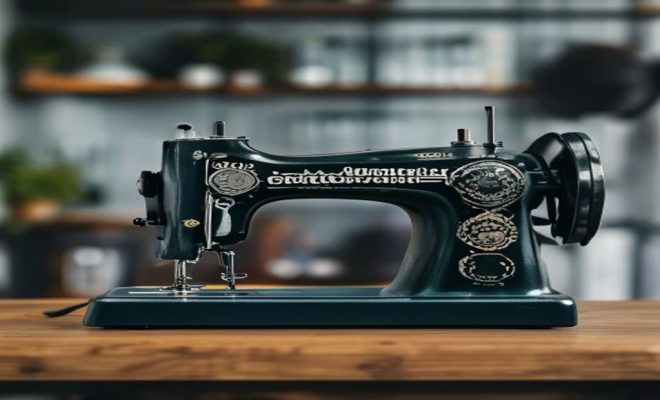
Before you even think about threading your machine, it’s crucial to familiarize yourself with its parts and functions. Sewing machines vary widely, but they all share some common components: the needle, presser foot, bobbin, and feed dogs, among others. Start by consulting your machine’s manual, which provides a detailed diagram of the parts and their uses.
Most modern machines come with built-in features like automatic threading and stitch selection. Knowing how these functions work can significantly enhance your sewing experience. Spend some time exploring all the settings and buttons to understand what each does. You might be pleasantly surprised by the capabilities of your machine!
2. Gathering the Necessary Supplies
Now that you’re acquainted with your machine, it’s time to gather your supplies. Essential items include fabric, thread, scissors, pins, and a measuring tape. Depending on your project, you might also need interfacing, zippers, and buttons. For beginners, it’s wise to start with inexpensive fabric like muslin or cotton until you feel more confident.
Don’t forget about safety equipment! A good pair of fabric scissors will help you cut cleanly and accurately, and a pin cushion will keep your pins organized and safe. Investing in a quality seam ripper is also crucial; it’s a handy tool for correcting mistakes, and trust me, every seamstress has had to use one at some point!
3. Setting Up Your Sewing Machine
Every machine has its unique setup process, but there are general steps you can follow to get started. First, ensure your machine is placed on a sturdy surface to avoid any wobbling while you sew. Plug in your machine and turn it on. Then, follow the manual to thread the machine properly. This step often includes winding the bobbin, threading the needle, and adjusting the tension.
Make sure you have the right needle for your fabric. There are various types of needles, such as universal, ballpoint, and denim, each designed for specific materials. Using the incorrect needle can lead to skipped stitches and fabric damage. As you set up, consider practicing on scraps of fabric to get a feel for how your machine stitches.
4. Learning Basic Stitch Types
Understanding different stitch types is essential for any sewing project. The straight stitch is the most common, perfect for seams and hems. Zigzag stitches offer flexibility, allowing for stretch in fabrics like knits. Many machines also come with decorative stitches that can add flair to your projects, like scallops or flowers.
Experiment with each type of stitch on your practice fabric to see how they behave. Adjusting the stitch length and width can change the outcome substantially, so take notes on what works best for you. This practice will build your confidence and help you understand how to use a sewing machine effectively.
5. Practicing Sewing Techniques
Once you’re comfortable with the basic stitches, it’s time to practice some fundamental sewing techniques. Start with straight seams, which are foundational in garment construction. Focus on maintaining an even seam allowance, often 1/4 to 5/8 inch, depending on the pattern.
Next, try your hand at curves and corners. These techniques can be tricky for beginners, but they’re vital for creating polished finished products. Use clips or pins to hold the fabric in place while you sew, and don’t hesitate to stop and pivot when making turns. With practice, these techniques will become second nature.
6. Understanding Patterns and Project Planning
When you’re ready to tackle your first project, understanding sewing patterns is crucial. Patterns serve as a guide that outlines the fabric types, cutting instructions, and assembly methods. You can find patterns in craft stores, online, or even create your own for custom projects. (See: Overview of sewing machines.)
Before diving into sewing, take time to plan your project. Gather all materials, read the instructions thoroughly, and cut your fabric pieces accurately. It might sound tedious, but taking these steps will save you time and frustration during the sewing process.
7. Troubleshooting Common Issues
Every sewer encounters problems, even experienced ones. Common issues include thread bunching, skipped stitches, or fabric not feeding correctly. Start by checking the threading; improper threading is a frequent cause of these complications. If your machine is still having issues, refer to your manual for troubleshooting tips.
Cleaning your machine regularly is also important. Dust and lint can build up, affecting performance. Make it a habit to clean your machine after each project or at least once a month, depending on how often you sew. A well-maintained machine will ensure smooth operation and longevity.
8. Exploring Advanced Techniques
Once you’ve grasped the basics, it’s time to explore advanced techniques that can enhance your sewing repertoire. Techniques such as quilting, applique, and even machine embroidery can add depth to your projects. Consider taking a class or watching online tutorials to further your skills.
As you become more confident, try incorporating different fabrics, like fleece or leather. This experimentation not only expands your capabilities but also pushes your creativity. Remember, the sewing community is vast, so don’t hesitate to reach out to others for tips or advice on advanced techniques.
9. Embracing the Sewing Community
Sewing is not just about the projects; it’s also about the community. From local sewing groups to online forums, connecting with fellow enthusiasts can enrich your experience. Share your projects, seek advice, and learn from others’ experiences. Many communities also organize challenges and swaps, allowing you to showcase your skills and creativity.
Online platforms like Instagram and Pinterest are great for finding inspiration and tutorials. Consider starting a sewing blog or social media account to document your journey. Not only will it motivate you to keep sewing, but you’ll also inspire others who are learning how to use a sewing machine.
10. Choosing the Right Sewing Machine for You
When you’re starting your sewing journey, selecting the right sewing machine is vital. There are numerous models available, each tailored for different skill levels and purposes. For beginners, a machine with basic features such as straight and zigzag stitches, adjustable tension, and a simple bobbin system is often ideal. Brands like Brother and Singer offer user-friendly models that are perfect for newcomers.
If you plan on diving into specialized sewing, think about the types of projects you’ll be tackling. Quilters often prefer machines with larger workspaces and quilting feet, while those interested in garment-making may need a machine capable of handling lightweight and stretchy fabrics. As you become more experienced, you might want to invest in a computerized model that offers a variety of stitch options and more automated features.
Another factor to consider is portability. If you plan to take your machine to classes or sewing groups, look for a lightweight model or one with a carrying case. Finally, it’s a good idea to test out machines in-store if possible, ensuring you feel comfortable with the controls and features.
11. Essential Sewing Techniques for Beginners
In addition to mastering stitches, several key techniques can elevate your sewing projects. One of these is understanding seam finishes, which prevent fabric fraying and give your garments a professional look. Common seam finishes include pinking shears, zigzag finishing, and French seams. Each method has its own advantages and is suitable for different fabric types.
Another essential skill is understanding how to read and interpret sewing patterns. Patterns often include a wealth of information, from fabric requirements to cutting layouts. Learning how to navigate this information will make your sewing projects much smoother. For example, patterns typically indicate which way the fabric’s grain runs and provide details on stitching guidelines.
Finally, you’ll want to develop an eye for fitting. Learning how to adjust patterns for fit is an invaluable skill. Whether it’s taking in seams or adjusting lengths, being able to modify a pattern can make the difference between an okay garment and a fantastic one. (See: Sewing safety and ergonomics.)
12. Common Mistakes to Avoid
Every beginner makes mistakes, and that’s completely alright — it’s part of the learning process! However, being aware of common pitfalls can save you time and frustration. One of the biggest mistakes is not pre-washing fabric. Fabrics can shrink or bleed, so washing and pressing them before cutting can save you from unexpected surprises later.
Another frequent issue is not checking the needle type before starting a project. Using the wrong needle can result in fabric damage or uneven stitches. Be sure to switch to the appropriate needle for your project, whether it’s a universal needle for woven fabrics or a ballpoint needle for knits.
Lastly, don’t rush through your projects. Sewing requires patience and precision. Take your time, especially when you’re learning new techniques. Mistakes happen, but they’re often fixable with a little patience and creativity!
13. Frequently Asked Questions
What is the best sewing machine for beginners?
The best sewing machine for beginners is often one that is user-friendly, with essential features. Look for models that include automatic threading, a variable speed control, and a selection of basic stitches. Brands like Brother and Singer have excellent options for first-time sewers.
How do I maintain my sewing machine?
Regular maintenance is crucial for extending the life of your sewing machine. Clean your machine after each project by removing lint and dust from the bobbin area and the feed dogs. Oil your machine according to the manufacturer’s recommendations, and periodically take it for professional servicing to keep everything running smoothly.
What type of fabric is best for beginners?
Cotton is often recommended as the best fabric for beginners due to its ease of handling and forgiving nature. It’s available in various weights, colors, and patterns, making it versatile for various projects. Other beginner-friendly fabrics include muslin and broadcloth.
How can I improve my sewing skills?
Improving your sewing skills takes practice and exposure to different techniques. Consider taking classes, whether in-person or online, to learn new skills. Joining sewing groups or online forums can also provide support, feedback, and inspiration. Additionally, challenging yourself with progressively more complex projects will help build your confidence over time.
What should I do if my sewing machine jams?
If your sewing machine jams, the first step is to stop sewing immediately. Check for tangled threads, and carefully remove any fabric that is stuck. Clean the bobbin case and check for any lint build-up. Re-thread your machine and try again; often, re-threading can resolve the issue.
Can I sew without a pattern?
Absolutely! Many experienced sewers create their own designs and patterns based on personal measurements or inspirations. If you feel confident, you can experiment with draping fabric on a dress form or even sketching your design before cutting any fabric. Just remember that starting with a pattern can help you understand construction techniques before you venture into freehand sewing.
14. Project Ideas for Beginners
If you’re excited to get started after learning how to use a sewing machine, here are some beginner-friendly project ideas to inspire you:
- Pillowcases: A quick and easy project that teaches you about sewing straight seams and finishing edges.
- Simple Tote Bag: This project helps you learn about sewing curves and handles while being practical for everyday use.
- Aprons: A great way to practice basic construction and learn about pattern adjustments for fitting.
- Simple Skirts: Create a basic elastic waist skirt, which helps you understand garment construction and fitting.
- Coasters: Perfect for practicing quilting techniques and working with multiple layers of fabric.
15. How to Use Decorative Stitches
Once you’re comfortable with the basics, using decorative stitches can elevate your projects. Many sewing machines offer a variety of built-in decorative stitches that can be used for embellishing seams or creating unique designs on your fabric. To effectively use these stitches, start by selecting a stitch on your machine that you’d like to try. Experiment on a scrap piece of fabric to adjust the stitch length and width until you achieve the desired look. (See: Sewing machine guide from NY Times.)
Keep in mind the type of fabric you’re working with, as some decorative stitches may work better on lightweight fabrics while others shine on heavier materials. Using contrasting thread can also highlight the decorative stitches, making your projects stand out. Consider using them on hems, cuffs, or even as a border on simple quilted items.
16. Understanding Fabric Grain and Stretch
A critical skill to master in sewing is understanding fabric grain and how it affects your projects. The grain refers to the direction in which the threads run through the fabric. There are three main types: lengthwise grain (the direction of the warp threads), crosswise grain (the direction of the weft threads), and bias grain (diagonal to both the lengthwise and crosswise grains).
Sewing along the grain ensures that your garments fit well and hang properly. When cutting fabric for a pattern, always pay attention to the grain lines indicated on the pattern pieces. Additionally, understanding the stretch of your fabric is essential, especially when working with knits or stretchy materials. Patterns designed for knit fabrics will often have different requirements than those for woven fabrics, so check your fabric’s stretch before beginning your project.
17. Using a Sewing Machine for Alterations
Learning how to use a sewing machine not only allows you to create new garments but also to alter existing ones. Alterations can include taking in or letting out seams, shortening hems, or even replacing buttons. Altering clothes allows you to customize fit and style without the need for new purchases, making it a sustainable practice.
Start with simple alterations such as adjusting the hem of a pair of pants. Measure how much you want to shorten, and mark the fabric before cutting. Use a straight stitch to secure the new hem, ensuring that the fabric lies flat. As you gain confidence, you can move on to more complicated adjustments. Learning basic alterations can save you money and give new life to your wardrobe.
18. Tips for Sewing with Different Fabrics
Different fabrics require different techniques and settings. Here are some tips for sewing with common fabric types:
- Cotton: This fabric is forgiving and easy to sew. Use a universal needle and standard stitch settings.
- Knits: Use a ballpoint needle to prevent snagging, and consider using a zigzag stitch for added stretch.
- Denim: Employ a heavy-duty needle and increase your stitch length to accommodate the thickness of the fabric.
- Satin: Use a fine needle and a slow stitch speed to prevent slipping and puckering.
Understanding how to adjust your settings and approach for each fabric type can greatly improve the quality of your sewing projects.
With practice, patience, and the right resources, you’ll find that learning how to use a sewing machine opens up a world of creativity. So gather your supplies, set up your machine, and start sewing! The journey is exciting, and the possibilities are endless.
“`
Trending Now
Frequently Asked Questions
How do I set up my sewing machine for the first time?
To set up your sewing machine, start by placing it on a stable surface and plugging it in. Familiarize yourself with its parts, such as the needle, presser foot, and bobbin. Consult the manual for specific setup instructions, including threading the machine and adjusting settings for your fabric.
What basic supplies do I need to start sewing?
Essential supplies for beginners include fabric, thread, scissors, pins, and a measuring tape. You may also need interfacing, zippers, and buttons, depending on your project. Starting with inexpensive fabric like muslin is recommended until you gain more confidence in your sewing skills.
What are the main parts of a sewing machine?
The main parts of a sewing machine include the needle, presser foot, bobbin, feed dogs, and stitch selector. Understanding these components and their functions is crucial for effective sewing. Refer to your machine’s manual for detailed diagrams and explanations of each part.
How can I troubleshoot common sewing machine issues?
Common sewing machine issues can often be resolved by checking the thread tension, re-threading the machine, or adjusting the needle position. If you experience problems, consult the troubleshooting section of your manual for specific guidance and solutions tailored to your machine.
What features should I look for in a sewing machine?
When choosing a sewing machine, look for features like automatic threading, multiple stitch options, and adjustable speed. Beginners may benefit from machines with built-in tutorials or easy-to-use interfaces. Consider your sewing projects to find a machine that meets your needs.
What's your take on this? Share your thoughts in the comments below — we read every one.