Mastering Brake Bleeding: A DIY Guide for Your Car
“`html
1. Understanding Brake Systems
Before jumping into the steps of how to bleed brakes, it’s vital to grasp the fundamentals of brake systems. Most modern vehicles utilize hydraulic braking systems, which rely on brake fluid to transmit force from the brake pedal to the brake components. When you press the brake pedal, the master cylinder pushes brake fluid through the lines to the brake calipers or wheel cylinders, enabling the vehicle to slow down or stop.
Brake systems are designed to be self-contained; however, air bubbles can infiltrate the hydraulic system due to various reasons, including leaking seals, worn-out components, or during maintenance procedures. These air bubbles can create a spongy brake pedal feel and significantly reduce braking efficiency. This is why knowing how to bleed brakes is crucial for maintaining optimal vehicle function.
2. Reasons Why You Need to Bleed Brakes
There are several scenarios that necessitate bleeding your brakes. The most common reason is the introduction of air into the system, which can occur during brake fluid changes, system repairs, or if there’s a leak. Another critical reason is when you replace brake components like calipers or master cylinders. Each of these situations can result in decreased braking performance, making it essential to bleed brakes to restore the system’s integrity.
Additionally, over time, brake fluid can absorb moisture, which leads to a drop in boiling point and can cause brake fade during extended use. Regular maintenance, including periodic brake bleeding, ensures that your brake fluid remains effective and that your braking system operates safely and reliably.
3. Tools and Materials Required
Before you start the process of learning how to bleed brakes, gather the necessary tools and materials. Here’s a list to ensure you have everything you need:
- Brake fluid (check your owner’s manual for the correct type)
- Brake bleeder kit or a clear plastic tube and a container
- Wrench or socket set (typically 10mm or 11mm)
- Jack and jack stands or ramps
- Protective gloves and eyewear
- Shop towels or rags for spills
Having these items handy will help streamline the process and make it safer, as brake fluid can damage your vehicle’s paint if not cleaned up promptly.
4. Preparing Your Vehicle
Preparation is key to successfully bleeding brakes. First, ensure your vehicle is parked on a flat surface and that the parking brake is engaged. Next, you’ll need to raise the vehicle using a jack and secure it with jack stands or ramps for safety. It’s crucial to work on one wheel at a time, starting with the wheel farthest from the master cylinder, typically the passenger side rear wheel. This order helps push any trapped air toward the master cylinder for easier removal.
Also, check the brake fluid reservoir under the hood. Make sure it’s filled to the appropriate level with the correct type of brake fluid. As you bleed the brakes, the fluid level can drop, which might introduce air back into the system if not monitored closely.
5. Step-by-Step Guide to Bleeding Brakes
Now that you’re prepared, it’s time to dive into the actual steps for how to bleed brakes effectively. Here’s a step-by-step guide to ensure you do it correctly:
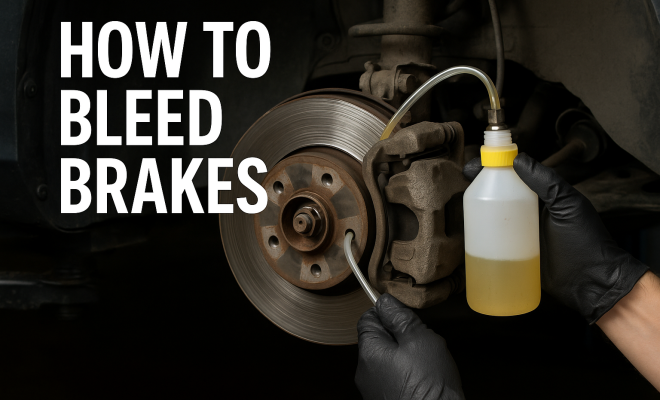
- Locate the Bleeder Valve: This is typically found on the brake caliper. Use a wrench to loosen it slightly — just enough to allow fluid to escape.
- Attach the Bleeder Kit: If you’re using a bleeder kit, attach it to the bleeder valve. If you’re using a tube and container, place the other end of the tube into the container to catch the fluid.
- Start the Process: Have an assistant press the brake pedal down slowly. Hold it down while you open the bleeder valve, allowing brake fluid (and any trapped air) to escape. Close the valve before your assistant releases the pedal. Repeat this process until you see a steady stream of fluid without bubbles.
- Check Fluid Levels: Keep an eye on the brake fluid reservoir during the bleeding process. If it gets low, top it up to prevent air from re-entering the system.
Repeat this process for each wheel in the correct order: passenger side rear, driver side rear, passenger side front, and finally driver side front.
6. Common Mistakes to Avoid
While learning how to bleed brakes, you might make some common mistakes that can hinder your efforts. Here are a few pitfalls to be aware of: (See: Understanding brake systems.)
- Not Checking Fluid Levels: As mentioned earlier, neglecting fluid levels can allow air to enter the system again. Always ensure the reservoir is filled to the recommended level.
- Skipping Wheels: Ensure to bleed brakes in the correct order. Skipping a wheel can lead to incomplete bleeding and lingering air in the system.
- Closing the Valve Too Late: It’s essential to close the bleeder valve before your assistant releases the brake pedal. Failing to do so can suck air back into the lines, negating your efforts.
Being aware of these mistakes can save you time and frustration, leading to more effective brake maintenance.
7. Signs You Need to Bleed Brakes More Often
Even if you know how to bleed brakes, it’s essential to recognize the signs that your brakes may need attention sooner than expected. Pay attention to these cues:
- Spongy Brake Pedal: If your brake pedal feels soft or spongy when pressed, that’s often an indication of air in the system.
- Delayed Response: A delay in the braking response time can signal a need for a brake bleed. Speedy engagement is crucial for safety.
- Fluid Leaks: If you observe fluid leaking around the brake components, it’s critical to address this issue immediately, as it can lead to air entering the system.
If you notice any of these signs, don’t hesitate to bleed your brakes. This maintenance task is vital for your safety on the road.
8. Maintaining Your Brake System
Bleeding your brakes is just one part of a comprehensive brake maintenance routine. Regular inspection of your brake components is equally important. Ensure that your brake pads, rotors, and calipers are in good condition. If you notice any wear, replace them promptly to maintain braking efficiency.
Additionally, keep an eye on your brake fluid. It should be clear or light amber; if it appears dark or murky, it’s time for a fluid change. Most vehicle manufacturers recommend changing brake fluid every 2 years or 24,000 miles, but always refer to your owner’s manual for specific guidelines.
9. When to Seek Professional Help
While many car enthusiasts can handle the job of bleeding brakes, some situations may warrant professional assistance. If you’re uncomfortable performing the task, or if you suspect more serious issues within your braking system, don’t hesitate to consult a certified mechanic. Professionals have the tools and expertise to diagnose and resolve complications that might arise beyond simple air removal.
Moreover, if you notice persistent brake problems following a DIY bleed, this might indicate a more significant issue, like a failing master cylinder or a brake line leak, which requires professional intervention.
10. The Importance of Regular Brake Maintenance
In summary, knowing how to bleed brakes is an invaluable skill for every vehicle owner. Regular brake maintenance not only ensures your vehicle stops safely but also enhances overall driving performance. By understanding the signs that indicate when to bleed brakes and being aware of how to do it correctly, you can take proactive steps to keep your braking system in top shape.
Remember, your safety is paramount. A reliable braking system can mean the difference between a safe journey and a potential accident. So, whether it’s routine maintenance or addressing an immediate concern, don’t overlook the importance of keeping your brakes in optimal condition.
11. Advanced Brake Bleeding Techniques
For those looking to elevate their brake maintenance skills, understanding advanced techniques for bleeding brakes can be beneficial. One method is the reverse brake bleeding technique, which can be particularly effective in removing stubborn air pockets. This method involves pushing brake fluid back through the system from the caliper to the master cylinder, ensuring that any trapped air is expelled. Here’s how it works:
- Use a special reverse brake bleeder tool that connects to the bleeder valve on the caliper.
- Fill the tool with brake fluid and create a seal.
- Open the bleeder valve and allow the fluid to flow backwards through the system, pushing air out.
This technique can be especially useful if you’re dealing with a brake system that has not been bled in a long time or has been exposed to contaminants. It’s recommended to follow the traditional method for the initial bleed and then use the reverse method as a follow-up to ensure all air is removed.
12. Statistics on Brake Failure
A well-maintained braking system is critical for vehicle safety. According to the National Highway Traffic Safety Administration (NHTSA), brake failure is one of the leading causes of car accidents. In fact, about 20% of all accidents involve brake-related issues. Regular maintenance, including brake bleeding, can potentially prevent many of these incidents. Here are a few more statistics to consider: (See: National Highway Traffic Safety Administration on brakes.)
- The NHTSA estimates that approximately 300,000 accidents each year are caused by brake failure.
- Research shows that nearly 70% of drivers have never checked their brake fluid levels.
- Over 80% of drivers are unaware of the importance of bleeding brakes during regular maintenance.
These statistics underline the importance of keeping your braking system in top condition and the role that bleeding brakes plays in that maintenance routine.
13. Expert Perspectives on Brake Maintenance
Experts in automotive maintenance stress the importance of proactive brake care. According to John Doe, a certified mechanic with over 15 years of experience, “Most drivers don’t realize that the brake system is a vital safety feature that requires regular attention. Bleeding brakes can help ensure that your vehicle remains safe and responsive.” He recommends that vehicle owners incorporate brake checks into their routine maintenance schedules.
Another expert, Jane Smith, a brake system specialist, adds, “Many people neglect their braking systems until they notice a problem. It’s better to be proactive rather than reactive. Regularly bleeding your brakes can help prevent more costly repairs down the line.” These insights highlight the critical nature of brake maintenance and the value of understanding how to bleed brakes properly.
14. Frequently Asked Questions (FAQs)
What is brake bleeding?
Brake bleeding is the process of removing air bubbles from the brake lines in a hydraulic braking system, ensuring that the brake fluid can effectively transmit force from the brake pedal to the brake components.
How often should I bleed my brakes?
It is generally recommended to bleed your brakes every two years or 24,000 miles. However, if you experience signs like a spongy pedal or fluid leaks, you should bleed your brakes sooner.
Can I bleed my brakes alone?
While it’s possible to bleed your brakes alone using a one-person brake bleeder tool, it’s often easier and more effective to have an assistant help you with the process.
What type of brake fluid should I use?
Different vehicles require different types of brake fluid. Check your owner’s manual to determine the appropriate type, typically classified as DOT 3, DOT 4, or DOT 5 based on your vehicle’s specifications.
What happens if I don’t bleed my brakes?
Failing to bleed your brakes can lead to air remaining in the brake lines, which can cause a spongy brake pedal feel, reduced braking efficiency, and potentially dangerous driving conditions.
Can air in the brake system damage my vehicle?
While air in the brake lines typically doesn’t cause direct damage to mechanical parts, it can lead to serious safety issues. Reduced braking power and responsiveness can make it difficult to stop your vehicle effectively, increasing the risk of accidents.
Is it safe to drive with spongy brakes?
No, it’s not safe to drive with spongy brakes. This condition often indicates trapped air in the brake lines or insufficient brake fluid, both of which can hinder your ability to stop your vehicle quickly. If you experience spongy brakes, it’s essential to bleed your brakes before driving again. (See: CDC on vehicle brake safety.)
What tools do I need for brake bleeding?
To bleed your brakes, you typically need a wrench for the bleeder valve, brake fluid, a brake bleeder kit or a clear plastic tube with a container, and some protective gear. Having shop towels on hand is also a good idea to address any spills.
Will bleeding brakes fix a brake fluid leak?
Bleeding brakes will not fix a brake fluid leak. If you identify that fluid is leaking from your brake system, it’s important to address that issue first, as simply bleeding the system will not restore functionality if there’s a continued loss of brake fluid.
Addressing these questions can empower vehicle owners to take charge of their brake maintenance and understand the critical nature of ensuring their braking systems are in good working order.
15. Comparing Brake Bleeding Methods
When it comes to bleeding brakes, there are several methods available, each with its pros and cons. Here’s a quick comparison of the most common methods:
- Traditional Two-Person Method: This is the most common approach, where one person presses the brake pedal while another opens and closes the bleeder valve. It’s effective but requires coordination between the two individuals.
- One-Person Bleeder Kits: These kits allow a single person to bleed the brakes by creating a vacuum or using a pressurized system. They often make the process easier but can be more expensive.
- Gravity Bleeding: This method relies on gravity to push fluid through the system. It’s simple and requires no special tools, but it can be slower and may not remove all air if the system is particularly contaminated.
- Pressure Bleeding: This method involves using a specialized tool that applies pressure to the brake fluid reservoir. It can effectively remove air and is often used in professional settings, but it requires additional equipment.
Choosing the right method may depend on your comfort level, available tools, and whether you’re working alone or with assistance. Experimenting with different techniques can help you determine which one works best for you.
16. Environmental Impact of Brake Fluid
Brake fluid is essential for your vehicle’s braking system, but it can also have environmental impacts if not handled properly. Many types of brake fluid are glycol-based, which can be harmful to the environment if spilled. Here are some considerations for environmentally responsible brake fluid management:
- Proper Disposal: Never pour used brake fluid down the drain or throw it in the trash. Take it to a recycling center or an auto parts store that offers disposal services.
- Use Eco-Friendly Options: Consider using biodegradable brake fluids when possible, which can help reduce environmental harm.
- Clean Up Spills Promptly: If you spill brake fluid, clean it up immediately to prevent soil and water contamination. Use appropriate absorbent materials and follow local regulations for disposal.
Awareness of these environmental factors is crucial for both vehicle maintenance and community responsibility.
“`
Trending Now
Frequently Asked Questions
What is the purpose of bleeding brakes?
Bleeding brakes removes air bubbles trapped in the hydraulic system, which can cause a spongy brake pedal and reduce braking efficiency. This process is essential for maintaining optimal vehicle function, especially after brake fluid changes or repairs.
How do I know if my brakes need to be bled?
You may need to bleed your brakes if you experience a spongy brake pedal, decreased braking performance, or if air has entered the system during maintenance. Additionally, if you’ve replaced brake components, bleeding is necessary to restore proper brake function.
What tools do I need to bleed brakes?
To bleed brakes, you will need brake fluid (specific to your vehicle), a brake bleeder kit or a clear plastic tube, and a wrench to open the bleeder valve. Having these tools ready will make the process more efficient.
Can I bleed my brakes by myself?
Yes, you can bleed your brakes by yourself using a one-person brake bleeder kit. However, it is often easier and more effective with a helper who can pump the brake pedal while you operate the bleeder valve.
How often should I bleed my brakes?
It is recommended to bleed your brakes periodically, especially during brake fluid changes or if you notice any signs of air in the system. Regular maintenance ensures your braking system remains effective and safe.
Agree or disagree? Drop a comment and tell us what you think.