How to apply foundation
“`html
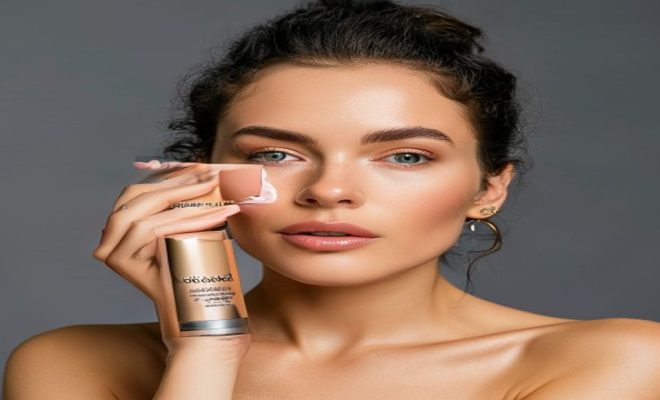
Applying foundation makeup can feel like a daunting task, especially with the myriad of products and techniques available today. Whether you’re preparing for a big event, a casual outing, or just want to perfect your daily routine, understanding how to apply foundation makeup can elevate your look and boost your confidence. This comprehensive guide will walk you through the steps, tips, and nuances involved in getting that flawless finish.
1. Understanding Your Skin Type
The first step in mastering how to apply foundation makeup is knowing your skin type. Skin can be categorized into several types: oily, dry, combination, sensitive, and normal. Each skin type reacts differently to various products, which means the foundation that works for one person might not suit another.
For instance, if you have oily skin, look for foundations labeled as “matte” or “oil-free”. These formulas help control shine and provide a longer-lasting finish. Conversely, if you have dry skin, opt for hydrating foundations that contain moisturizing ingredients. Combination skin may require a balance, often benefiting from a foundation that hydrates without adding excess shine. Understanding your base is crucial as it sets the foundation for everything that follows.
2. Choosing the Right Foundation
Now that you know your skin type, it’s time to select the right foundation. Foundations come in various forms: liquid, cream, stick, powder, and even tinted moisturizers. Liquid foundations are versatile and blend easily, while powders can offer a more matte finish suitable for oily skin types.
Consider undertones as well. Foundations typically have three categories: warm, cool, and neutral. Warm undertones have a yellow or golden hue, cool undertones possess pink or blue tints, and neutral undertones are a mix of both. Swatch a few shades on your jawline in natural light to find the perfect match. Remember, the right foundation will seamlessly blend with your skin, appearing like a second skin rather than a mask.
3. Prepping Your Skin
Preparation is key when learning how to apply foundation makeup effectively. Before applying any foundation, cleanse your face to remove excess oils and impurities. Next, use a toner to balance your skin’s pH and a moisturizer suitable for your skin type.
Don’t skip primer! A good primer smooths out your skin’s surface and helps foundation adhere better. It can also control shine and extend the wear of your makeup. Apply a pea-sized amount of primer to your face, focusing on areas where your foundation tends to wear off quickly, like the nose or forehead. Allow the primer to set for a few minutes before moving on to foundation application.
4. Tools for Application
When it comes to how to apply foundation makeup, the tools you choose can significantly affect the outcome. Common tools include beauty sponges, foundation brushes, and your fingers. Beauty sponges, like the popular Beauty Blender, are excellent for achieving a seamless, airbrushed look. They can be dampened for a more natural finish.
Foundation brushes, on the other hand, offer more coverage and are ideal for thicker formulas. Flat brushes work well for liquid foundations, while buffing brushes are perfect for cream foundations. If you prefer a natural look, using your fingers can also work; the heat from your skin helps the foundation melt into your complexion. (See: Understanding skin types and makeup.)
5. Application Techniques
Now that you have your foundation and tools ready, let’s discuss how to apply foundation makeup. Start by dispensing a small amount of foundation on the back of your hand or a palette. This allows you to control the amount you use. Use your chosen tool to pick up the product and apply it in sections, starting from the center of your face and blending outward.
For a natural finish, use a stippling motion with your sponge or a circular motion with your brush. Build coverage gradually; it’s easier to add more product than to remove excess. Focus on areas that need more coverage, like blemishes or redness, and be sure to blend along your jawline and hairline to avoid any harsh lines.
6. Correcting Imperfections
Even with the perfect foundation, you might still have imperfections you’d like to address. This is where concealer comes in handy. Apply concealer after your foundation to cover dark circles, blemishes, or any areas requiring extra coverage. Use a small brush or your ring finger to gently tap the concealer onto the area.
For dark circles, a peach or orange-toned concealer can neutralize blue or purple hues before applying your foundation. For blemishes, choose a concealer that matches your foundation shade closely. This layered approach helps create an even canvas without caking on too much product.
7. Setting the Foundation
Once you’ve applied your foundation and concealer, setting it is essential for longevity. The last thing you want is for your hard work to slide off your face. Use a translucent setting powder to lock everything in place. Lightly dust the powder onto your face, focusing on areas prone to shine.
If you prefer a dewy finish, opt for a setting spray instead of powder. This can give your skin a fresh look while keeping everything in place. Make sure to hold the spray at arm’s length and mist it evenly across your face. Setting your foundation correctly not only prolongs its wear but also enhances your overall makeup look.
8. Maintenance Throughout the Day
After you’ve mastered how to apply foundation makeup, maintaining that flawless finish throughout the day is key. Carry blotting papers or a compact powder for touch-ups in your bag. These tools can help eliminate shine without adding extra layers of product, keeping your makeup looking fresh.
In addition, if you notice areas of your foundation separating or wearing off, a quick mist of setting spray can help refresh your look without needing a full redo. Understanding maintenance techniques ensures you look your best from morning until night.
9. Understanding Different Foundation Formulations
As you dive deeper into how to apply foundation makeup, it’s useful to understand the different formulations available. Each type serves specific needs and can dramatically change your makeup experience and the final look.
For example, liquid foundations are very popular due to their versatility and ease of use. They can range from sheer to full coverage and often come with various finishes, such as dewy, matte, or satin. Cream foundations, typically thicker in consistency, provide full coverage and are perfect for those with dry skin. Stick foundations offer a convenient option for on-the-go application but can sometimes be heavy, so they’re best applied with care. (See: CDC on skin health and makeup.)
Then there are mineral foundations, often favored for their skin-friendly properties. They usually contain natural ingredients, making them a great option for sensitive skin. They provide a light to medium coverage and are excellent for a more natural look.
Finally, tinted moisturizers and BB creams are excellent for those who prefer minimal coverage with added hydration or sun protection. Understanding these options can help you choose a foundation that not only suits your skin type but also fits your daily needs and lifestyle.
10. The Role of Color Theory in Foundation Selection
When it comes to foundation makeup, color theory plays a crucial role in achieving that perfect match. Understanding the color wheel can help you identify complementary shades that will neutralize imperfections. For example, if you have redness in your skin, a green-tinted primer can help neutralize that before applying your foundation.
Additionally, knowing how to identify your undertone can greatly enhance your foundation’s effectiveness. If you have a warm undertone, you may want to lean towards foundations with golden or peachy hues. Cool undertones may look best with foundations that have pink or blue undertones. Neutral undertones have the flexibility to wear both warm and cool shades, making it somewhat easier to find the right match.
Swatching foundations on your jawline and observing how they look throughout the day can help you confirm your choice. The importance of lighting cannot be overstated; natural daylight will give you the most accurate representation of how a foundation will look once applied.
11. Frequently Asked Questions (FAQ)
What if I can’t find my exact foundation shade?
If you can’t find your perfect foundation shade, try mixing two shades together to create a custom match. Many brands now offer color-matching services or online guides to help you find your shade. If you’re shopping in-store, testers are often available, allowing you to try before you buy.
How do I know if my foundation is too light or too dark?
A good rule of thumb is to test the foundation on your jawline. If it disappears into your skin without looking ashy or orange, it’s likely a good match. If it looks too light or dark, it might be time to try a different shade.
Can I wear foundation every day?
Yes, many people wear foundation daily. If you have acne-prone or sensitive skin, it might be wise to choose a formula that is non-comedogenic or contains beneficial skincare ingredients. Remember to always cleanse your face thoroughly at the end of the day to prevent clogged pores.
How do I remove foundation properly?
To remove foundation effectively, start with a makeup remover or cleansing oil to break down the product. Follow that with a gentle cleanser to ensure all residue is removed. Double cleansing can be particularly beneficial for more thorough cleaning, especially if you wore long-wear foundation. (See: The science of makeup and confidence.)
Should I change my foundation with the seasons?
Absolutely! Your skin may change with the seasons due to temperature, humidity, and sun exposure. In warmer months, you might want to switch to a lighter formula, like a tinted moisturizer, while opting for fuller coverage in colder months when your skin might be drier.
12. Expert Tips for Flawless Foundation Application
To take your foundation application to the next level, consider these expert tips:
- Start with Skincare: The better your skin is prepped, the better your foundation will look. Invest time in a consistent skincare routine that includes cleansing, exfoliating, and moisturizing.
- Use the Right Amount: Less is often more when it comes to foundation. Start with a small amount and build coverage as needed to avoid a cakey look.
- Set with Care: When using powder to set your foundation, don’t apply it all over. Focus on areas that tend to get oily, like the T-zone, and let the natural oils on the rest of your face provide a dewy glow.
- Experiment with Techniques: Don’t hesitate to try different application techniques. For instance, using a damp sponge can give a different finish than a brush.
- Regularly Clean Your Tools: Always clean your beauty tools, as dirty brushes and sponges can harbor bacteria and lead to breakouts. Clean them weekly with a gentle cleanser.
13. Common Mistakes to Avoid
Even seasoned makeup wearers can make mistakes when applying foundation. Here are some common pitfalls and how to avoid them:
- Skipping Skincare: Neglecting to properly prepare your skin can lead to a less than perfect application. Always cleanse, exfoliate, and moisturize before makeup application.
- Applying Too Much Product: Using too much foundation can create a cakey appearance. It’s best to apply in thin layers and gradually build up coverage.
- Ignoring the Neck: Failing to blend foundation down your neck can create a stark contrast between your face and neck. Always blend foundation seamlessly into your neck for a more natural look.
- Using the Wrong Tools: Different tools yield different finishes. Experiment with brushes, sponges, and your fingers to find what works best for you.
- Not Setting the Foundation: Skipping the setting step can lead to makeup sliding off or settling into fine lines. Always set your foundation with powder or spray, depending on your desired finish.
14. Foundation for Different Occasions
Your foundation choice may change based on the occasion. Here’s a quick guide to help you choose:
- Everyday Wear: Opt for a light to medium coverage foundation or tinted moisturizer that feels comfortable for daily use. A natural finish helps you look fresh without being overly made up.
- Work/Professional Settings: A medium to full coverage foundation can help create a polished look. Choose a long-wear formula to withstand a busy workday.
- Special Events: For events like weddings or parties, consider a full coverage foundation that provides a flawless finish. You may also want to incorporate a setting spray for extra longevity.
- Photography: If you’re getting your photos taken, opt for a foundation that has a matte finish to avoid any shine caused by flash photography. Ensure it’s a mineral-based foundation to reduce any reflection.
15. Customizing Your Foundation
Sometimes, the perfect foundation is the one you create yourself. Here are a few ways to customize your foundation for unique needs:
- Add Skincare Benefits: Mix your foundation with a drop of facial oil or a moisturizer to enhance hydration. This can be especially helpful for dry skin types.
- Adjusting Coverage: If you find your foundation too thick, mix it with a primer or serum to thin it out. This can provide a more sheer finish.
- Color Adjustment: If your foundation is slightly off in shade, you can mix in a small amount of a darker or lighter foundation to better match your skin tone.
Learning how to apply foundation makeup is not only about techniques and products; it’s about understanding your unique skin and preferences. With practice, you’ll be able to create a flawless finish that enhances your natural beauty, allows your personality to shine, and boosts your confidence to tackle any day ahead. So go ahead, experiment with different techniques, and find what works best for you. Happy applying!
“`
Trending Now
Frequently Asked Questions
What is the best way to apply foundation?
The best way to apply foundation is to start with a clean, moisturized face. Use tools like brushes, sponges, or your fingers to blend the foundation evenly, starting from the center of your face and moving outward for a natural finish. Build coverage gradually for a flawless look.
How do I choose the right foundation for my skin type?
To choose the right foundation, first identify your skin type: oily, dry, combination, sensitive, or normal. For oily skin, opt for matte or oil-free formulas, while hydrating foundations work well for dry skin. Combination skin may benefit from a balance of both.
What foundation is best for oily skin?
For oily skin, look for foundations labeled as 'matte' or 'oil-free.' These formulas help control shine and provide a longer-lasting finish. Powder foundations can also be beneficial for achieving a matte look throughout the day.
How can I find my foundation shade?
To find your foundation shade, swatch a few shades on your jawline in natural light. Consider your skin's undertones—warm, cool, or neutral. The right shade should seamlessly blend into your skin without appearing too light or dark.
Should I use a primer before foundation?
Using a primer before foundation can enhance the application and longevity of your makeup. Primers create a smooth base, help control oil, and minimize the appearance of pores, leading to a more flawless finish when applying foundation.
Agree or disagree? Drop a comment and tell us what you think.