Mastering the Perfect Protein Shake: A Complete Guide
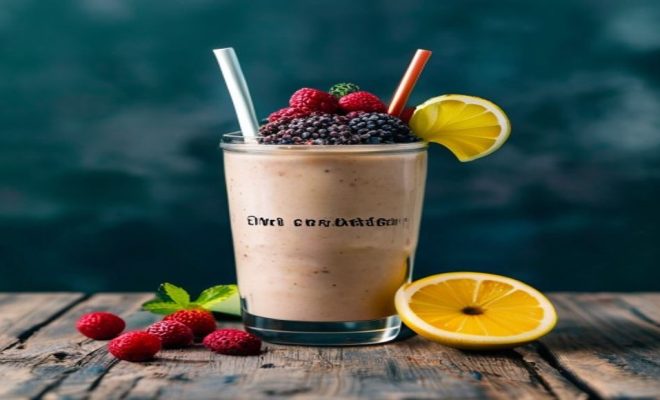
“`html
1. Understanding the Basics of Protein Shakes
Protein shakes have become a staple for fitness enthusiasts, athletes, and anyone looking to increase their protein intake. At their core, these shakes are beverages made by blending protein powder with liquids like water, milk, or plant-based alternatives. They can be consumed post-workout for recovery, as a meal replacement, or simply as a convenient way to boost protein in your diet.
The primary purpose of a protein shake is to provide your body with the necessary protein to repair and build muscles. It’s essential for muscle recovery and growth, particularly after intense exercise. But protein shakes aren’t just for gym-goers; they can benefit anyone looking to support their overall health, aid weight management, or satisfy hunger between meals.
2. Choosing the Right Protein Powder
Before whipping up a protein shake, it’s critical to choose the right protein powder. There are several options on the market, each catering to different dietary needs and preferences:
- Whey Protein: Derived from milk, it’s one of the most popular options due to its high biological value, meaning your body can utilize it effectively. It’s quickly absorbed, making it ideal for post-workout recovery.
- Casein Protein: Also derived from milk, casein digests more slowly than whey, providing a sustained release of amino acids. It’s great for nighttime use or when you need prolonged protein support.
- Plant-Based Proteins: For vegans or those lactose intolerant, plant-based options like pea, rice, or hemp protein are great alternatives. Though they may have a lower biological value than whey, they can still support muscle recovery.
When selecting a protein powder, consider factors like taste, digestion, dietary restrictions, and whether you’re looking for additional nutrients or flavors.
3. Essential Ingredients for Your Protein Shake Recipe
While a basic protein shake might just contain protein powder and water, there’s a world of possibilities when it comes to ingredients. Here are some essential components to consider: See also Nutritional benefits of green rice.
- Liquid Base: This could be water, milk (dairy or non-dairy), or juice. The choice of liquid can impact the taste and texture of your shake.
- Fruits and Vegetables: Adding fruits like bananas, berries, or vegetables like spinach can provide natural sweetness, fiber, and a wealth of vitamins and minerals.
- Healthy Fats: Ingredients like nut butter, chia seeds, or avocado can enhance the creaminess of your shake and provide essential fatty acids.
- Add-Ins: To boost your shake further, consider adding ingredients like oatmeal, yogurt, or superfoods like spirulina or matcha.
4. 8 Delicious Protein Shake Recipes to Try
Here are eight diverse and delicious protein shake recipes to jumpstart your culinary journey towards better nutrition. These combinations are designed to cater to various tastes and nutritional needs:
1. Classic Chocolate Banana Shake
Combine 1 scoop of chocolate protein powder with 1 medium banana, 1 cup of almond milk, and a tablespoon of peanut butter. Blend until smooth and enjoy a rich, satisfying shake that’s perfect for post-workout recovery.
2. Green Power Shake
Mix 1 scoop of vanilla protein powder with 1 cup of spinach, ½ a ripe avocado, 1 cup of coconut water, and a tablespoon of chia seeds. This nutrient-packed shake is great for a morning boost or afternoon snack.
3. Tropical Mango Shake
Blend together 1 scoop of protein powder, 1 cup of frozen mango, ½ cup of Greek yogurt, and 1 cup of orange juice. This fruity shake is refreshing and filled with vitamins, perfect for a hot day.
4. Berry Blast Shake
Incorporate 1 scoop of berry-flavored protein powder, 1 cup of mixed berries, 1 cup of almond milk, and a tablespoon of flaxseeds. This antioxidant-rich shake is excellent for skin health.
5. Coffee Protein Shake
For a morning kick, mix 1 scoop of chocolate protein powder with 1 cup of brewed coffee, ½ cup of vanilla almond milk, and a dash of cinnamon. This gives you the energy of coffee along with the benefits of protein. (See: Protein supplementation and muscle recovery.)
6. Peanut Butter Cup Shake
Combine 1 scoop of chocolate protein powder with 1 tablespoon of natural peanut butter, 1 banana, and 1 cup of oat milk. This shake is like a dessert experience, ideal for satisfying your sweet tooth.
7. Oatmeal Raisin Cookie Shake
Blend 1 scoop of vanilla protein powder with ½ cup of rolled oats, 1 tablespoon of raisins, 1 cup of almond milk, and a pinch of cinnamon. This shake mimics the flavor of oatmeal cookies while providing essential nutrients.
8. Chocolate Mint Shake
Mix 1 scoop of chocolate protein powder with 1 cup of almond milk, 1 tablespoon of peppermint extract, and a handful of ice. This refreshing shake is perfect for a post-meal treat.
5. When to Consume a Protein Shake
Timing can significantly impact the effectiveness of your protein shake. Consuming a protein shake can be beneficial at different times, depending on your goals:
- Post-Workout: After exercise, your muscles are primed for recovery. A protein shake here can help replenish glycogen stores and initiate muscle repair.
- As a Snack: If you’re looking to curb hunger between meals, a protein shake can act as a filling snack, keeping you satisfied and preventing overeating later.
- Meal Replacement: For busy days, protein shakes can serve as a nutritious meal replacement, especially when they contain a well-rounded mix of proteins, fats, and carbs.
6. Common Mistakes When Making Protein Shakes
Even the most well-intentioned protein shake makers can fall into common traps. Here are a few to watch out for:
- Overloading on Ingredients: While it’s tempting to add everything but the kitchen sink, it can lead to a shake that’s overly rich or difficult to digest. Stick to a few key ingredients to keep it balanced.
- Neglecting Nutrition Balance: A protein shake should ideally contain a good mix of protein, carbohydrates, and fats. Focusing solely on protein can lead to nutrient imbalances.
- Ignoring Portion Size: Just because it’s healthy doesn’t mean you can have unlimited servings. Pay attention to portion sizes to avoid excessive calorie intake.
7. Addressing Dietary Needs and Preferences
Dietary needs vary from person to person, and protein shakes can be tailored accordingly:
- For Vegans: Opt for plant-based protein powders and non-dairy milk alternatives. You can incorporate protein-rich ingredients like nuts, seeds, and legumes.
- For Lactose Intolerance: Choose lactose-free protein powders and dairy alternatives such as almond milk or coconut milk.
- For Weight Loss: Focus on lower-calorie ingredients and avoid added sugars. Including fiber-rich fruits and vegetables can help keep you full.
8. The Future of Protein Shakes
As nutrition science evolves, so do protein shakes. Innovations in protein sources, such as lab-grown proteins and new plant-based options, are emerging. Consumers are increasingly seeking transparency in ingredient sourcing and nutritional content.
Moreover, personalized nutrition is on the rise. Companies are beginning to offer shakes tailored to individual health goals or dietary restrictions through customized blends and delivery services. This shift could redefine how we think about protein supplementation, making it even more accessible and tailored to personal needs.
Overall, protein shakes are versatile and beneficial additions to a balanced diet. Whether you’re looking to boost your workout recovery, satisfy hunger, or simply enjoy a tasty drink, a well-made protein shake can be a delicious and nutritious choice.
9. Protein Shake Recipe Variations for Different Goals
Depending on your fitness goals, you can modify your protein shake recipes to align with your dietary requirements. Here’s how:
For Muscle Gain
If your goal is to build muscle, you should focus on higher calorie shakes that incorporate both protein and carbohydrates. Here’s a muscle-building shake recipe:
- 1 scoop of whey protein powder
- 1 banana
- 1 tablespoon of almond butter
- 1 cup of whole milk (or a milk alternative)
- 1 tablespoon of honey for sweetness
This shake offers a balanced mix of protein and healthy fats while delivering enough calories to support muscle gain. (See: Guidelines for healthy eating.)
For Weight Loss
When aiming for weight loss, focus on low-calorie, nutrient-dense ingredients that will keep you full. Try this weight-loss-friendly shake:
- 1 scoop of plant-based protein powder
- 1 cup of spinach
- ½ cup of unsweetened almond milk
- ½ cup of frozen berries
- 1 tablespoon of chia seeds
This shake is low in calories but high in fiber, which can help you feel full longer and support your weight loss journey.
For Meal Replacement
If you’re searching for a shake that can effectively replace a meal, it’s essential to include a good balance of macronutrients. Here’s a meal replacement shake recipe:
- 1 scoop of protein powder (whey or plant-based)
- 1 cup of unsweetened coconut milk
- ½ cup of Greek yogurt
- ½ a ripe banana
- 1 tablespoon of flaxseed meal
This shake provides a satisfying meal replacement that’s rich in protein and healthy fats, ensuring you stay nourished throughout your busy day.
10. Common Ingredients to Avoid in Protein Shakes
While making protein shakes, it’s essential to be aware of certain ingredients that can detract from their health benefits:
- Added Sugars: Many pre-made protein powders and shakes include excessive amounts of sugar. Look for options with little to no added sugars to keep your shake healthy.
- Artificial Sweeteners: While they may reduce calories, some artificial sweeteners can lead to digestive issues for some people. Opt for natural sweeteners like honey or maple syrup in moderation instead.
- Low-Quality Protein Sources: Some protein powders contain fillers or low-quality ingredients that can undermine the nutritional value. Always choose reputable brands that emphasize quality.
11. Expert Perspectives on Protein Shakes
Nutritionists and dietitians often have valuable insights regarding the role of protein shakes in a balanced diet. According to Dr. John Berardi, a well-known nutrition expert, “Protein shakes can play a significant role in recovery and muscle growth, especially when it’s difficult to meet your protein needs through food alone.” This is particularly true for athletes and those engaging in high-intensity workouts.
Furthermore, registered dietitian Keri Glassman emphasizes the importance of whole foods. “While protein shakes can be beneficial, they shouldn’t replace whole food sources of protein entirely. It’s crucial to incorporate a variety of protein-rich foods, such as lean meats, fish, beans, and legumes, into your diet for overall health.”
This expert perspective highlights the balance necessary between protein supplementation and whole food sources, underscoring that variety is key to a well-rounded diet.
12. Frequently Asked Questions (FAQ) About Protein Shakes
1. Can I drink protein shakes every day?
Yes, you can. Drinking protein shakes daily can be beneficial for meeting your protein needs, especially if you’re active. However, it’s essential to balance them with whole food sources for a well-rounded diet.
2. Are protein shakes safe for beginners?
Absolutely! Beginners can benefit from protein shakes to ensure they’re getting enough protein, particularly after workouts. Just make sure to choose a product that fits your dietary needs and consult with a healthcare provider if you have any specific health concerns. (See: Understanding malnutrition and protein needs.)
3. Can I lose weight by drinking protein shakes?
Protein shakes can aid in weight loss when used as part of a balanced diet. They can help manage hunger and prevent overeating, especially when made with low-calorie ingredients. Related reading: Nutrition education in medical training.
4. What’s the best time to drink a protein shake?
The best time can vary depending on your goals. Many find post-workout to be optimal for muscle recovery, but having a shake as a snack or meal replacement can also be effective.
5. Do I need to add anything else to my protein shake?
It depends on your goals. For muscle gain, consider adding healthy fats or carbohydrates. For weight loss, focus on adding fiber-rich ingredients like fruits or vegetables.
6. Is it okay to use protein shakes as meal replacements?
Yes, but ensure that your shake is nutritionally complete, containing sufficient protein, healthy fats, and carbohydrates to sustain you.
13. How to Customize Your Protein Shake Recipe
Customization is key when it comes to protein shakes. You can tailor each shake to your taste preferences and nutritional needs by incorporating various ingredients. Here’s how to get creative:
- Experiment with Flavors: Don’t hesitate to mix different protein powders or add flavor extracts like vanilla, almond, or coconut. You can also consider using flavored Greek yogurt instead of plain to enhance the taste.
- Texture Variations: If you prefer a thicker shake, adding ingredients like frozen fruits, oats, or even a scoop of ice cream can create a creamy texture. Conversely, if you want a thinner consistency, add extra liquid.
- Protein Boosters: Consider adding foods that naturally contain protein, such as cottage cheese or silken tofu. These ingredients can enhance the protein content without adding unnecessary sugars or calories.
- Superfood Supplements: Incorporate superfoods like acai powder, maca root, or hemp hearts. These can provide additional health benefits and can be tailored to your specific health goals.
14. Protein Shake Myths Debunked
There’s a lot of misinformation surrounding protein shakes. Let’s tackle some common myths:
- Myth 1: Protein Shakes Are Only for Bodybuilders: While bodybuilders often use protein shakes to meet their high protein demands, anyone can benefit from them, including those looking to maintain weight, lose weight, or simply improve their overall nutrition.
- Myth 2: All Protein Powders Are Created Equal: Not true! Protein powders can vary widely in quality, source, and nutritional profile. Always check labels and choose reputable brands to ensure you’re getting what you pay for.
- Myth 3: You Can’t Get Enough Protein from Food Alone: Many people can meet their protein needs through a balanced diet. Protein shakes are a convenient supplement, not a necessity for everyone.
15. The Science Behind Protein Timing
Protein timing is a concept that suggests consuming protein at specific times can enhance muscle growth and recovery. Research indicates that the window for optimal protein intake post-exercise is approximately 30 minutes to two hours. This is often referred to as the “anabolic window.” Here’s a closer look:
- Post-Workout Benefits: After intense workouts, your muscles are particularly responsive to nutrients, making this an ideal time to consume protein.
- Daily Protein Distribution: Instead of having most of your protein in one meal, distributing it evenly throughout the day can optimize muscle protein synthesis. Aim for 20-30 grams of protein in each meal.
16. Trendy Protein Shake Ingredients You Should Try
As nutrition trends evolve, so do the ingredients people are incorporating into their protein shakes. Here are some trendy ingredients that can add both flavor and nutritional value:
- Adaptogens: Ingredients like ashwagandha or reishi mushroom can enhance stress resilience and overall wellness.
- Collagen Peptides: These can improve skin, hair, and joint health and are a great addition, especially if you’re looking for beauty benefits!
- Oat Milk: Oat milk has surged in popularity due to its creamy texture and naturally sweet flavor, making it a perfect base for shakes.
- Nut Butters: Beyond peanut butter, try almond, cashew, or sunflower seed butter for unique flavors and added nutrition.
“`
Trending Now
Frequently Asked Questions
What are the benefits of protein shakes?
Protein shakes are beneficial for muscle recovery and growth, particularly after workouts. They can also aid in weight management, support overall health, and serve as a convenient way to boost protein intake throughout the day.
What type of protein powder is best for me?
Choosing the right protein powder depends on your dietary needs. Whey protein is great for quick absorption post-workout, while casein is ideal for sustained release. Plant-based proteins are excellent for vegans or those with lactose intolerance.
How do I make a basic protein shake?
To make a basic protein shake, blend protein powder with a liquid of your choice, such as water, milk, or a plant-based alternative. You can also add fruits, vegetables, or other ingredients to enhance flavor and nutrition.
Can protein shakes be used as meal replacements?
Yes, protein shakes can be used as meal replacements, especially if they contain additional nutrients. However, it's important to ensure they provide a balanced mix of protein, carbohydrates, and fats to support your dietary needs.
When is the best time to drink a protein shake?
The best time to drink a protein shake is post-workout for muscle recovery, but they can also be consumed as a meal replacement or snack throughout the day to help meet your protein goals.
What did we miss? Let us know in the comments and join the conversation.