Mastering Homemade Sauerkraut: A Simple Fermentation Guide
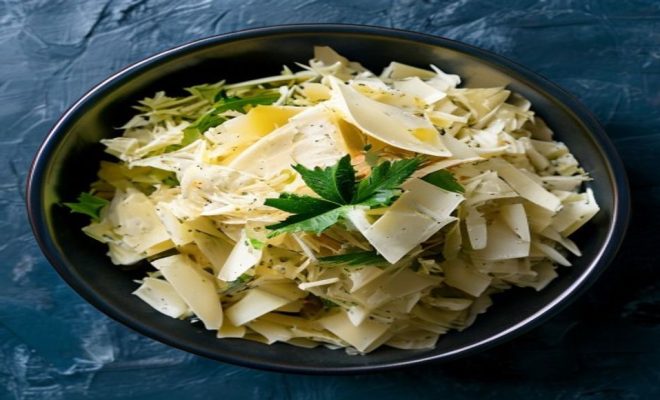
“`html
Fermentation has seen a resurgence in popularity over the past few years, and one of the most beloved fermented foods is sauerkraut. If you’re wondering how to make sauerkraut, you’re in for a treat. Not only is this probiotic-rich condiment delicious, but it’s also simple to make at home, offering a wonderful way to preserve cabbage while enhancing its nutritional value. Whether you want to add a tangy crunch to your meals or explore the art of fermentation, this guide will take you through the entire process step by step, along with tips, tricks, and the science behind this age-old craft.
1. The History of Sauerkraut
Sauerkraut, which translates to “sour cabbage” in German, has a rich history that dates back over 2,000 years. This traditional dish was likely first created by the Chinese, who fermented cabbage using rice wine, and it later made its way to Europe. By the time the Romans invaded, they had adopted the technique of fermenting cabbage as a method of food preservation. Cabbage’s long shelf life made it essential for survival during harsh winters.
In Germany, sauerkraut became a staple, especially for sailors, as the high vitamin C content helped prevent scurvy on long voyages. Its popularity spread across Europe and into North America, where it found a home in the diets of various immigrant communities. Today, sauerkraut is not only a symbol of culinary tradition but also a staple in many dishes, from hot dogs to Reuben sandwiches.
2. The Benefits of Fermentation
Understanding how to make sauerkraut also involves recognizing the health benefits of fermentation. When cabbage is fermented, lactic acid bacteria convert sugars into lactic acid, which acts as a preservative. This process not only extends the cabbage’s shelf life but also transforms its nutritional profile.
Fermented foods like sauerkraut are rich in probiotics, which are beneficial for gut health. Probiotics help maintain the balance of bacteria in your digestive system, potentially alleviating issues like bloating and constipation. Additionally, sauerkraut is high in vitamins C and K, fiber, and antioxidants, making it an excellent addition to a healthy diet.
3. Choosing the Right Ingredients
To make sauerkraut, you only need a few basic ingredients: cabbage and salt. However, the quality of these ingredients can significantly affect the final product. It’s best to use organic cabbage since it is free from pesticides and chemicals that could interfere with the fermentation process.
Regarding salt, not all types are created equal. Choose non-iodized salt like sea salt or kosher salt, as iodine can inhibit fermentation. The amount of salt can vary, but a general guideline is about 2% of the cabbage’s weight. This means if you have 1 kilogram of cabbage, you should use 20 grams of salt. This ratio helps create the right environment for lactic acid bacteria to thrive while keeping harmful bacteria at bay.
4. Essential Equipment
Before diving into how to make sauerkraut, you need some essential equipment. While you don’t need fancy tools, having the right ones can simplify the process and ensure successful fermentation.
- Fermentation Vessel: You can use glass jars, ceramic crocks, or food-grade plastic containers. Ensure your vessel is clean and free from any contaminants.
- Weight: A weight is essential to keep the cabbage submerged in its brine. You can use a glass weight, a clean rock, or even a ziplock bag filled with water.
- Airlock Lid (Optional): If you’re serious about fermentation, consider using a lid with an airlock. This allows gases to escape while preventing oxygen from entering, which could spoil the sauerkraut.
5. The Fermentation Process
Now that you have your ingredients and equipment ready, let’s dive into the process of how to make sauerkraut. Start by removing the outer leaves of the cabbage and cutting it into quarters. Remove the core and slice the cabbage into thin strips. The finer the cut, the quicker it will ferment.
Once you have your shredded cabbage, place it in a large bowl and sprinkle the salt evenly over it. Begin massaging the cabbage with your hands to release its natural juices. This process can take several minutes, but you’ll notice that the cabbage starts to wilt and create a brine. Once you feel the cabbage has released enough liquid, pack it tightly into your fermentation vessel, leaving about an inch of space at the top. (See: Wikipedia article on sauerkraut.)
After packing, place your weight on top of the cabbage to keep it submerged in the brine. If there isn’t enough liquid to cover the cabbage, you can create a saltwater brine by mixing 1 cup of water with 1 teaspoon of salt and pouring it over the cabbage. Seal your vessel with the lid or cover it with a clean cloth to keep out dust while allowing air to flow.
6. Fermentation Time and Conditions
The fermentation time for sauerkraut can vary based on several factors, including the room temperature and your taste preference. Typically, sauerkraut takes about 1 to 4 weeks to ferment. At warmer temperatures (around 70°F or 21°C), the fermentation will proceed more rapidly, while cooler temperatures can slow it down.
During the first few days, check your sauerkraut daily. You might see bubbles and hear some fizzing — that’s the fermentation in action! Taste it after a week to see if it has reached your desired level of tanginess. If it’s too salty for your taste, you can rinse it before eating. Once it’s fermented to your liking, move it to the refrigerator to slow down the fermentation process and preserve its flavor and crunch.
7. Storing and Enjoying Your Sauerkraut
Once you’ve mastered how to make sauerkraut, the next step is to store and enjoy it. Proper storage is key to maintaining the flavor and texture of your sauerkraut. Transfer it into clean, airtight containers or jars and keep it in the refrigerator. Homemade sauerkraut can last several months when stored properly.
When it comes to incorporating sauerkraut into your meals, the possibilities are endless. You can enjoy it straight from the jar, add it to salads for a crunchy texture, or use it as a topping for burgers and sandwiches. It also pairs well with meats, particularly sausages and pork, thanks to its acidity which cuts through the richness of the meat. Some even use sauerkraut in soups or as a flavorful ingredient in stir-fries.
8. Experimenting with Flavors
Once you feel comfortable making basic sauerkraut, why not experiment with flavors? Adding spices and other ingredients can provide a unique twist on this classic dish. Some popular additions include caraway seeds, juniper berries, garlic, or even shredded carrots for a bit of sweetness.
You can also try mixing different types of cabbage, such as red cabbage for a vibrant color or Napa cabbage for a milder flavor. The beauty of making sauerkraut at home is that you can tailor it to your tastes, making each batch uniquely yours. Just remember that any additional ingredients should not overpower the natural fermentation process.
9. The Current Relevance of Sauerkraut
In today’s health-conscious society, sauerkraut has gained renewed attention as more people seek out probiotic-rich foods. With the rise in awareness about gut health and the benefits of fermented foods, sauerkraut is no longer just a side dish but a nutritional powerhouse. Home fermentation is also becoming popular as a sustainable way to reduce food waste while preserving seasonal produce.
Moreover, as more individuals embrace plant-based diets, sauerkraut offers a flavorful way to enhance meals without the need for animal products. It serves not only as a culinary delight but also as a cultural symbol that connects us to our ancestors and their time-honored food preservation methods.
10. Common Challenges in Making Sauerkraut
While making sauerkraut at home is generally straightforward, some common challenges may arise during the process. Understanding these challenges can help you troubleshoot effectively and achieve the best possible results. (See: CDC on the benefits of fermentation.)
- Too Salty: If your sauerkraut tastes too salty, it might be due to using too much salt in the initial process. If you find this happening, consider rinsing the fermented cabbage briefly under cold water before consuming it. This can help to reduce the saltiness without compromising the flavor too much.
- Texture Issues: If your sauerkraut turns out too mushy, it could be because of over-fermentation or too much water being added. To prevent this, be sure to monitor the fermentation process and keep the cabbage submerged in the brine without overdoing the water addition.
- Unpleasant Smells: A sour smell is expected during fermentation, but if it smells foul or rotten, it may indicate that harmful bacteria have taken over. In such cases, it’s best to discard the batch and start fresh. Cleanliness is key, so always ensure your equipment is sanitized.
11. Sauerkraut in Popular Culture
Sauerkraut isn’t just a staple in kitchens—it’s made its way into popular culture as well. From being a primary ingredient in traditional German dishes to appearing in trendy health food cafes, sauerkraut is celebrated in various ways. It has been featured in numerous cookbooks, food blogs, and cooking shows, showcasing its versatility and health benefits.
In addition, many communities host events centered around fermentation, with sauerkraut being a star player. Festivals often celebrate local variations or the art of fermentation itself, allowing enthusiasts to share their unique recipes and techniques. This cultural significance helps maintain the craft of making sauerkraut alive and thriving in modern times.
12. Expert Perspectives on Fermentation
To deepen your understanding of sauerkraut, let’s hear from experts in the field of nutrition and fermentation. Nutritionists often highlight the gut health benefits of sauerkraut, emphasizing its role in probiotic intake and digestive health. Renowned fermentation expert Sandor Katz, known for his books on the subject, advocates for home fermentation as a way to reclaim food sovereignty. He emphasizes that making sauerkraut at home connects individuals to their food and fosters a sense of accomplishment.
Another expert, Dr. Robynne Chutkan, a gastroenterologist and author, has noted the increasing importance of fermented foods in modern diets, particularly for their role in enhancing gut microbiota diversity. She encourages people to experiment with fermentation at home as a simple way to enhance health while enjoying the culinary process.
13. Frequently Asked Questions (FAQ)
What type of cabbage is best for sauerkraut?
Green cabbage is the most commonly used for sauerkraut due to its high sugar content, which aids in fermentation. However, red cabbage can also be used and will provide a vibrant color and slightly different flavor profile.
How can I tell when my sauerkraut is ready?
To determine if your sauerkraut is ready, taste it at regular intervals. The longer it ferments, the tangier it will become. Most people find that 2-4 weeks is the sweet spot, but personal preference varies.
Can I reuse the brine from my sauerkraut?
Yes, some people choose to reuse the brine from their sauerkraut for new batches, but it’s best to limit this to a couple of times. Reusing the brine can help kickstart the fermentation in the new batch, but be cautious as the quality of the brine diminishes over time.
Can I make sauerkraut without salt?
Salt is a crucial ingredient in sauerkraut as it helps control the fermentation process and prevents spoilage. While there are salt-free fermentation methods, they can be more complex and may not yield the same flavors or preservation benefits as traditional methods.
How long does homemade sauerkraut last?
When stored properly in airtight containers in the refrigerator, homemade sauerkraut can last several months, typically around 4-6 months. However, as time goes on, the flavor and texture may change, so it’s best to consume it within a few months for optimal taste. (See: NIH article on fermented foods.)
14. Tips for Perfect Sauerkraut Every Time
Now that you know how to make sauerkraut, here are some tips to help ensure your batches turn out perfectly every time:
- Use Fresh Ingredients: Always select the freshest cabbage you can find. Look for heads that are heavy for their size, with crisp leaves and a vibrant color. Wilting or soft spots can indicate that the cabbage is past its prime.
- Monitor Temperature: Keep your fermentation vessel in a place where the temperature remains consistent. A range of 65°F to 75°F (18°C to 24°C) is ideal for fermentation. Too hot can lead to rapid fermentation and spoilage, while too cold can slow down the process.
- Keep It Clean: Sanitize all your equipment before you start. Use hot, soapy water and rinse everything thoroughly to eliminate any unwanted bacteria that could interfere with the fermentation process.
- Be Patient: Fermentation takes time, and it’s essential to be patient. Resist the urge to rush the process; the flavors will develop beautifully with time. It’s part of the fun!
- Document Your Process: Keep a fermentation journal. Note the ingredients, measurements, and fermentation times, along with the results. This will help you refine your technique and create your ideal flavor profile over time.
15. Exploring Regional Variations of Sauerkraut
Sauerkraut has many regional variations across the globe, each bringing unique ingredients and techniques to the table. For example, in Eastern Europe, you might find sauerkraut mixed with beets or apples, giving it a sweet and earthy flavor. In contrast, Korean kimchi, which is also fermented cabbage, incorporates chili peppers, garlic, and ginger, highlighting the spicy and complex flavors typical in Korean cuisine.
In the United States, particularly in Pennsylvania Dutch communities, you might encounter a sweeter version called “chow chow,” which includes various vegetables such as carrots and cauliflower. Understanding these regional differences can inspire your own sauerkraut-making adventures and encourage you to incorporate diverse elements into your batches.
16. Popular Recipes Featuring Sauerkraut
Once you’ve learned how to make sauerkraut, you might be eager to incorporate it into various recipes. Here are some popular ideas:
- Sauerkraut and Sausage: Cook sausages with onions, garlic, and a generous serving of sauerkraut for a hearty, comforting dish. The acidity of the sauerkraut complements the richness of the sausage beautifully.
- Reuben Sandwich: Layer corned beef, Swiss cheese, and sauerkraut between slices of rye bread, then grill until golden brown. This classic sandwich is a delicious way to enjoy sauerkraut.
- Sauerkraut Soup: Combine sauerkraut with potatoes, carrots, and smoked meats for a savory soup that’s perfect for cold days. The fermentation gives the soup a unique depth of flavor.
- Sauerkraut Salad: Toss sauerkraut with diced apples, caraway seeds, and a splash of apple cider vinegar for a refreshing salad that works well as a side dish.
17. Environmental Benefits of Making Sauerkraut
Making sauerkraut at home not only brings health benefits to you but also contributes to environmental sustainability. By fermenting your cabbage, you’re reducing food waste, particularly if you have an abundance of seasonal produce. Instead of letting excess cabbage rot in the fridge, you can transform it into a delicious, long-lasting condiment.
Additionally, home fermentation encourages local food consumption. Purchasing cabbage from local farmers supports the community and reduces the carbon footprint associated with transportation. This practice aligns perfectly with the growing trend towards sustainability in food practices.
18. Conclusion: Start Your Sauerkraut Journey
Whether you’re a fermentation novice or a seasoned enthusiast, learning how to make sauerkraut is a rewarding experience that brings both health benefits and culinary delight. With a dash of creativity and a commitment to quality ingredients, you can create batches of sauerkraut that reflect your personal tastes and preferences. So grab some cabbage, salt, and a little curiosity, and start your sauerkraut-making journey today!
“`
Trending Now
Frequently Asked Questions
What is the process of making sauerkraut?
Making sauerkraut involves shredding cabbage, mixing it with salt, and allowing it to ferment in a jar or container for several weeks. The salt draws out moisture from the cabbage, creating a brine that facilitates fermentation by lactic acid bacteria, transforming the cabbage into a tangy, probiotic-rich condiment.
What are the health benefits of sauerkraut?
Sauerkraut is rich in probiotics, which support gut health and digestion. The fermentation process enhances its nutritional profile, increasing vitamin C and other beneficial compounds. Regular consumption can help improve gut flora balance and may boost immune function.
How long does it take to ferment sauerkraut?
Sauerkraut typically takes about 1 to 4 weeks to ferment, depending on the temperature and desired sourness. During this time, the cabbage should be kept at a cool room temperature, allowing the lactic acid bacteria to develop and create the characteristic tangy flavor.
Can you make sauerkraut without salt?
While salt is essential for traditional sauerkraut making, it is possible to ferment cabbage without it, but the process may be less effective. Salt helps to draw out moisture, creates a brine, and inhibits harmful bacteria, leading to better preservation and flavor.
What dishes can you use sauerkraut in?
Sauerkraut is versatile and can be used in various dishes, including hot dogs, Reuben sandwiches, salads, and as a side dish. It also complements meats, enhances soups, and can be added to grain bowls for a tangy crunch.
What did we miss? Let us know in the comments and join the conversation.