Smartphones Reshape Relationships & US Birth Rates
“`html
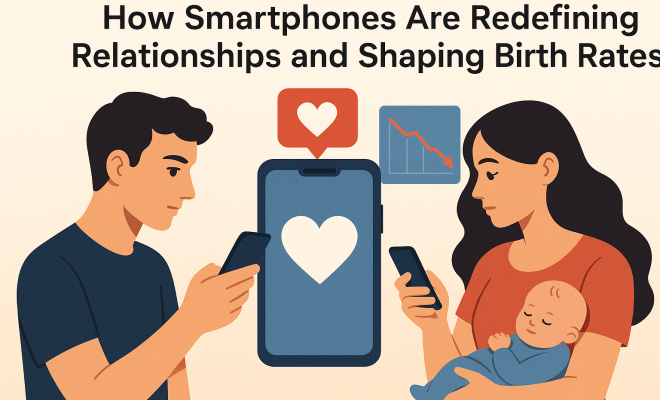
The shift in U.S. birth rates has sparked widespread discussion and concern, especially as societal norms evolve in tandem with technology. A recent CNN report suggests that smartphones may be indirectly influencing this demographic trend by altering the way we connect and form relationships. With increasing reliance on digital devices, the nuances of dating, intimacy, and even the decision to start a family appear to be changing, raising questions about the role of technology in our personal lives.
Understanding the Birth Rate Decline
In recent years, the United States has seen a significant decline in birth rates, a trend that has puzzled researchers and policymakers alike. The U.S. birth rate fell to a historic low of about 1.7 children per woman in 2020, which is below the replacement level of 2.1 needed to maintain a stable population. This decline can be attributed to various factors including economic conditions, access to education, and changing attitudes toward family life.
However, the CNN report introduces a more unexpected angle: the role of smartphones. As more people prioritize their digital lives, the traditional pathways to intimacy and family formation may be overshadowed. This perspective prompts us to examine how technology not only influences birth control methods but also affects our very relationships.
The Technology of Connection
Smartphones have revolutionized communication. They allow us to connect with others instantly and maintain relationships from afar. Apps designed for dating and social interaction have created a new landscape for romance, offering various platforms like Tinder, Bumble, and Hinge. While these apps can facilitate connections, they often do so in a superficial manner, which can lead to a decreased desire for deeper, long-term relationships.
Many young adults now prefer to swipe through potential partners rather than engage in face-to-face conversations. While this might seem like progress, it can result in a lack of genuine connection. The prevalence of social media also adds complexity, as individuals often curate their online personas, making it difficult to discern authenticity in relationships.
Loneliness in a Connected World
Interestingly, the same devices that connect us can also contribute to feelings of isolation. A report from the Pew Research Center highlights that nearly 30% of adults under 30 feel lonely. The irony is stark: as we spend more time on our phones, we may be missing out on meaningful interactions that could lead to love, intimacy, and ultimately, family.
This loneliness can deter individuals from pursuing serious relationships. The fear of vulnerability and the quest for perfection often associated with social media can create barriers. People may choose to focus on careers or personal goals instead of seeking out lasting partnerships, which can contribute to lower birth rates.
Shifting Priorities: Career vs. Family
With the rise of the smartphone and the digital world, many young adults are prioritizing their careers over starting families. This shift is partially driven by the ease of accessing information and opportunities through digital platforms. Individuals are increasingly inclined to invest their time in professional development, often delaying marriage and childbearing.
According to a 2022 report by the U.S. Census Bureau, the average age for first-time mothers has increased to 26 years. Many women and men are opting to establish their careers before considering parenthood, which naturally leads to fewer births. The smartphone’s role in this scenario cannot be overlooked; it makes it easier to achieve goals in education and employment, but often at the expense of forming traditional family structures.
Smartphone Birth Control: A New Concept
The concept of “smartphone birth control” seems fitting in this context, as our devices help us manage not just our schedules, but also our relationships. Many apps now include features that enable users to track their menstrual cycles, monitor fertility, and even connect with healthcare providers. This digital assistance empowers individuals to make informed choices about parenthood.
However, the implications of this trend go beyond mere contraception. The idea that smartphones can shape when and how people decide to form families raises important questions about the extent of technology’s influence on our lives. Are we, in fact, letting our devices dictate our personal choices? (See: U.S. birth rate statistics.)
The Impact of Social Media on Relationships
The role of social media in shaping modern relationships cannot be overstated. Platforms like Instagram and Facebook influence how we perceive ourselves and others. The constant comparison to curated online lives can foster feelings of inadequacy, leading many to shy away from potential partners. With the additional layer of technology, the dating experience becomes even more complicated.
Studies indicate that social media can contribute to unrealistic expectations regarding relationships. The pressure to present an idealized version of one’s life can prevent authentic interactions. This dynamic can discourage individuals from pursuing romantic involvement, further driving down birth rates.
Cultural Attitudes Toward Family Life
As technology evolves, so too do cultural attitudes toward family life. Many younger generations are rethinking traditional milestones like marriage and childbearing, influenced heavily by their digital experiences. The CNN report highlights how smartphones have altered societal perceptions of intimacy. The accessibility of information and interaction leads many to question whether traditional pathways to family are necessary or even desirable.
For some, family formation can seem less urgent compared to the allure of personal freedom. The smartphone has become a symbol of independence—offering entertainment, information, and connection—making it easy to prioritize individual experiences over collective family aspirations.
The Future of Relationships and Family Formation
As we look to the future, it’s essential to consider the long-term consequences of our smartphone-driven lifestyles. Will this trend of delayed relationships continue, or will there be a resurgence in traditional family values? Experts are divided on the issue. Some suggest that as digital natives mature, they may seek deeper connections, while others argue that the convenience of technology will only deepen the reliance on digital interactions.
The emerging landscape of relationship dynamics is complex. Educational and professional opportunities available through digital means will likely continue to shape personal choices about family and intimacy. As such, the connection between smartphones and demographic trends, particularly birth rates, will remain a vital area for ongoing research and discussion.
What Can Be Done?
Recognizing the influence of smartphones on relationships and family formation can lead to actionable steps. Education about the importance of real-life interactions and emotional connections is essential. Encouraging young adults to seek out meaningful relationships and prioritize face-to-face communication could counteract the isolating effects of technology.
Moreover, promoting awareness about mental health and loneliness can help those struggling to connect with others. Programs focusing on relationship-building skills could aid in fostering deeper connections and ultimately influencing family formation positively.
Smartphone Birth Control Apps: An Overview
As the concept of smartphone birth control becomes more mainstream, various apps have emerged, catering to individuals looking for reliable and user-friendly solutions to manage their reproductive health. Here’s a closer look at some leading options:
- Clue: This menstrual cycle tracking app not only helps users monitor their cycles but also provides insights into fertility and ovulation, making it a valuable tool for family planning.
- Flo: Another popular choice, Flo offers tracking for periods, ovulation, and symptoms, alongside a community feature for users to share experiences and advice.
- Ovia: Targeted towards those trying to conceive, Ovia tracks fertility and offers personalized insights, effectively acting as a guide for family formation decisions.
These apps not only help users understand their reproductive health better but also allow them to make informed choices about when to start or expand their families. The ease of access to such technology can empower individuals and couples to plan for children at a time that feels right for them, which aligns with the modern trend of prioritizing individual goals and career development.
Statistics on Smartphone Use and Birth Trends
The correlation between smartphone usage and birth rates is significant. According to a study conducted by the U.S. Department of Health and Human Services, over 85% of adults own a smartphone. This high rate of ownership has coincided with a notable decline in birth rates. Here are some key statistics to consider:
- Smartphone Ownership: 85% of adults aged 18-29 own a smartphone, which has increased from 60% just a decade ago.
- Birth Rates: From 2007 to 2020, the birth rate for women aged 20-24 dropped by 25%, a decline that parallels the rise of smartphone adoption.
- Delayed Parenthood: The percentage of women aged 30-34 giving birth for the first time has increased by 30% since 2000, suggesting a shift toward later family planning.
These statistics highlight how the digital age may be reshaping not just our relationships but also the very fabric of family life in America. (See: New York Times on birth rate decline.)
Expert Perspectives on Technology and Relationships
Experts in sociology and psychology have weighed in on the implications of smartphones on relationships and family formation. Dr. Emily Kane, a sociologist at Stanford University, suggests that while technology can facilitate connection, it can also create barriers. “The convenience of swiping left or right may lead to a paradox where individuals feel more connected but actually experience more loneliness,” she states.
Similarly, Dr. John Carter, a clinical psychologist, notes that the pressure to maintain a perfect online image can hinder genuine interactions. “When people spend more time curating their social media profiles than engaging in meaningful conversations, it can lead to shallow connections that don’t support long-term bonding.”
These perspectives underscore the importance of understanding the dual-edged nature of technology in our lives. While smartphones can help in some aspects of family planning and relationship management, they also pose significant challenges that society must navigate.
Frequently Asked Questions (FAQ)
1. How do smartphones influence birth control choices?
Smartphones provide access to a range of apps and resources for tracking fertility and menstrual cycles, empowering individuals to make informed decisions regarding reproductive health.
2. Are there specific apps designed for birth control management?
Yes, popular apps like Clue, Flo, and Ovia allow users to track their cycles, understand their fertility, and plan for family formation.
3. What is the relationship between smartphone use and birth rates?
Research indicates that as smartphone ownership increases, birth rates tend to decline, as individuals prioritize career and personal goals over starting families.
4. Can technology help combat loneliness in relationships?
While technology can facilitate connections, it’s crucial to balance digital interactions with face-to-face communication to foster deeper, more meaningful relationships.
5. What steps can be taken to encourage family formation in a tech-driven world?
Encouraging real-life interactions, promoting mental health awareness, and providing relationship-building skills programs can help combat the isolating effects of technology and foster family formation.
Rethinking the Role of Birth Control in the Digital Age
It’s essential to understand how birth control methods have evolved alongside technology. Historically, access to contraceptives was limited and often stigmatized. However, with the rise of smartphones, people now have more access to information regarding reproductive health than ever before. This increased access can empower users to make informed decisions about their sexual health and family planning.
Apps like Birth Control by MyMethods allow women to explore various birth control methods, evaluate their effectiveness, and connect with healthcare professionals. This shift from traditional means to digital solutions can help demystify contraception and promote responsible family planning. (See: WHO on adolescent pregnancy.)
Smartphone Birth Control and Gender Roles
The advent of smartphone birth control has also brought about shifts in gender roles. Traditionally, discussions about contraception were often centered around women and their responsibilities in family planning. However, with the availability of apps that track fertility and reproductive health, there is a growing awareness that men also play a crucial role in these conversations.
Men are increasingly encouraged to engage in discussions about birth control, and apps like Male Contraceptive Initiative promote awareness of male contraceptive options. This evolution fosters shared responsibility in family planning, which can lead to healthier relationships and more balanced parenting dynamics.
International Trends in Smartphone Birth Control
The impact of smartphones on birth rates isn’t just a U.S. phenomenon; it’s a global issue. Countries like India and China are also witnessing shifts in family planning due to digital technology. In India, for instance, apps that provide information on contraceptive options are gaining traction, especially among younger, tech-savvy populations.
In China, the government has tapped into technology to promote family planning awareness. The use of mobile health applications has helped spread knowledge about safe sex practices and contraceptive methods, which is particularly relevant given the country’s recent shift in policy regarding family size.
Strategies to Balance Technology and Family Life
As we navigate this complex landscape of technology’s influence on relationships, finding a balance is essential. Here are some strategies that can help individuals and couples harmonize their digital lives with their aspirations for family:
- Set Boundaries: Establish specific times to unplug from devices and engage in face-to-face conversations. This can help build stronger connections and foster intimacy.
- Prioritize Quality Time: Make intentional plans to spend quality time together without digital distractions. Whether it’s a date night or a weekend getaway, these experiences can reinforce relationships.
- Communicate Openly: Discuss how technology influences your relationship and family planning goals. Open communication can help couples navigate challenges that arise from digital interactions.
The Road Ahead: Embracing Change
The intersection of smartphones and birth rates presents a unique cultural phenomenon that warrants further exploration. As technology continues to impact how we communicate, connect, and ultimately form families, understanding its implications becomes paramount. The idea of “smartphone birth control” might seem whimsical, but it raises serious questions about the choices we make in a technology-driven world.
In grappling with these questions, society must find a balance between embracing technological advancements and nurturing the essential human connections that lead to lasting relationships and family formation. Only by doing so can we hope to reverse the declining birth rates while fostering a society that values both connection and individual expression.
“`
Trending Now
Frequently Asked Questions
How are smartphones affecting relationships?
Smartphones are transforming relationships by facilitating instant communication and creating new dating platforms. However, this digital reliance can lead to superficial connections, diminishing the desire for deeper, long-term relationships as young adults often prefer swiping through potential partners over engaging in face-to-face conversations.
What is the current trend in U.S. birth rates?
The U.S. birth rate has significantly declined, reaching a historic low of about 1.7 children per woman in 2020. This trend is attributed to various factors, including economic conditions, educational access, and evolving attitudes toward family life, with technology, particularly smartphones, playing a crucial role.
Are smartphones changing family formation decisions?
Yes, smartphones are influencing family formation decisions by altering how people connect and form relationships. The convenience of digital communication may overshadow traditional pathways to intimacy, leading to a delay in starting families as individuals prioritize their digital lives.
What role do dating apps play in modern relationships?
Dating apps like Tinder, Bumble, and Hinge have created a new landscape for romance, allowing users to connect quickly. However, these platforms often promote superficial interactions, which can reduce the likelihood of forming deeper, meaningful relationships among users.
Why are young adults delaying starting families?
Young adults are delaying starting families due to various factors, including economic uncertainties, access to education, and changing societal norms. Additionally, the influence of smartphones and digital communication may shift priorities away from traditional family planning, further contributing to the decline in birth rates.
Agree or disagree? Drop a comment and tell us what you think.