How AI and EVs Are Creating a Staggering Surge in Battery Metals Demand
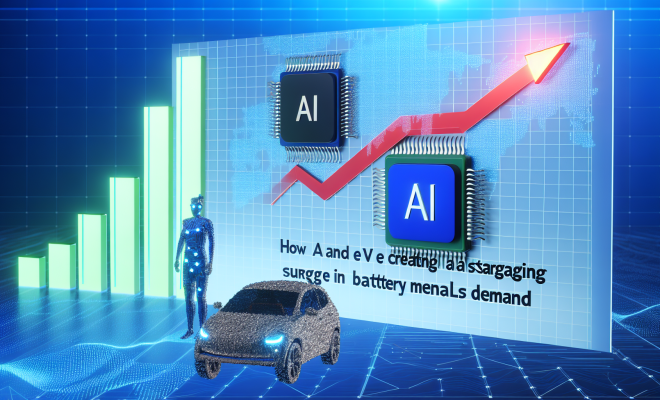
The modern world is witnessing an unprecedented evolution in technology, with two influential sectors at the forefront: artificial intelligence (AI) and electric vehicles (EVs). Both industries are not only reshaping our daily lives but also generating a staggering surge in battery metals demand. The intersection of these two sectors presents a dual-pressure scenario that is igniting discussions about resource availability, supply chain dynamics, and geopolitical tensions.
The Role of AI in Shaping Battery Metals Demand
In recent years, AI has rapidly expanded its footprint across various sectors, from manufacturing and healthcare to finance and entertainment. This expansion has led to an explosion in the number of data centers required to process vast amounts of information. As AI systems become more sophisticated, their energy consumption is skyrocketing, contributing to an increasing demand for essential battery metals, particularly lithium and copper.
Data centers are critical in AI’s operational framework, serving as the backbone of cloud computing and real-time data processing. To keep pace with the rising demands of AI data processing, these facilities rely heavily on robust energy solutions that often utilize advanced battery systems. The need for efficient energy storage solutions amplifies the battery metals demand as companies scramble to secure the necessary materials.
The Intersection of AI and Electric Vehicles
While AI is driving new battery metals demand, electric vehicles remain the primary force in this sector. As consumers and governments push for greener alternatives to fossil fuel-powered transportation, the production of EVs is surging. This trend is leading to a significant uptick in lithium-ion battery production, which relies heavily on lithium, cobalt, nickel, and copper.
The dual demand from both AI and electric vehicles creates a complex supply chain scenario. Industry analysts are increasingly vocal about their concerns regarding the potential for bottlenecks. The overlap in the materials needed by both sectors means that as one industry grows, it may inadvertently constrain the resources available for the other.
Understanding the Key Battery Metals
To appreciate the implications of the growing battery metals demand, it’s essential to understand the critical metals involved:
- Lithium: A vital component in lithium-ion batteries used in both EVs and AI data centers. Its extraction is often environmentally challenging, raising concerns about sustainability.
- Cobalt: Often sourced from conflict regions, cobalt is another crucial metal for battery production, particularly in the manufacturing of long-range EVs.
- Nikcel: This metal is key in enhancing energy density and performance in batteries, and its demand is rising alongside lithium and cobalt.
- Copper: With its excellent conductivity, copper plays a crucial role in electrical systems for both EVs and data centers.
The Environmental Footprint of Increased Battery Production
As the battery metals demand surges due to both AI and EV sectors, it is crucial to consider the environmental implications of increased battery production. Mining operations for lithium, cobalt, and nickel often come with significant environmental costs, including water usage, habitat disruption, and pollution.
For instance, lithium extraction in places like South America has led to water shortages in local communities, raising ethical concerns about the sustainability of the industry. Additionally, cobalt mining in the Democratic Republic of the Congo has drawn criticism due to human rights abuses and environmental degradation.
Balancing the benefits of technological advancements with the environmental footprint of battery production is a complex challenge that will require innovation and responsible practices within the industry.
The Impact of EV Adoption Rates
The electric vehicle market has seen dramatic growth, driven by advancements in technology, government policies, and consumer demand for sustainability. According to recent reports, global EV sales are projected to exceed 30 million units by 2030, representing a significant shift in the automotive landscape.
This growth is accompanied by an increase in battery metals demand. As automakers ramp up production to meet consumer demands, they must secure reliable supplies of critical metals. The competition for these resources is intensifying as traditional automakers and new entrants alike vie for market share.
Geopolitical Tensions and Resource Scarcity
The convergence of AI and EV demands creates a scenario fraught with geopolitical tensions. Countries rich in battery metals are becoming critical players in the global economy. Access to these resources can significantly impact national security and economic stability.
For example, China dominates the production and processing of essential battery metals, controlling a significant portion of the global supply chain. This has raised concerns among Western nations about dependency on a single country for crucial resources. The situation is compounded by the rapid pace at which technology is evolving and the resulting competition for access to these limited resources.
Supply Chain Dynamics of Battery Metals
The supply chain for battery metals is complex and often unpredictable. As the battery metals demand continues to grow, companies must navigate various challenges, including regulatory hurdles, environmental concerns, and fluctuating prices.
Many industry experts advocate for a more transparent supply chain that can adapt to the changing landscape. This includes investing in sustainable mining practices, recycling programs, and alternative materials to reduce reliance on traditional sources.
Recycling as a Solution to Resource Scarcity
As demand for battery metals escalates, recycling is emerging as a viable solution to mitigate resource scarcity. The process of recycling used batteries can recover precious metals, reducing the need for new mining operations. This not only addresses some environmental concerns but also helps stabilize supply chains.
Innovations in battery recycling technology are making it possible to reclaim a higher percentage of metals from used batteries. By developing efficient recycling processes, the industry can lessen its reliance on newly mined materials while still meeting the escalating battery metals demand.
Future Trends in Battery Metals Demand
Looking ahead, the landscape of battery metals demand is likely to evolve in response to technology advancements and changes in consumer behavior. Some trends to watch include:
- Increased investment in mining: To meet growing demands, mining companies are expected to ramp up exploration and production efforts, particularly in regions with rich mineral deposits.
- Diversification of supply sources: Companies may seek to diversify their supply chains to mitigate risks associated with geopolitical tensions and resource scarcity.
- Alternative battery technologies: Research into alternative battery materials may yield new solutions that do not rely on traditional metals, potentially reshaping the demand landscape.
- Government regulations: As environmental concerns come to the forefront, governments may implement stricter regulations on mining and battery production, influencing market dynamics.
The Role of Innovation in Meeting Demand
Innovation will be key to meeting the rising battery metals demand. Companies that invest in research and development may find new ways to extract metals more sustainably or develop alternative technologies that lessen the reliance on scarce resources.
Collaboration among governments, industries, and researchers will be critical in creating a balanced approach to resource management. By sharing knowledge and resources, stakeholders can drive innovation while ensuring responsible practices are upheld.
Conclusion: Navigating the Future of Battery Metals Demand
The explosive growth of AI and the increasing adoption of electric vehicles are creating a perfect storm of battery metals demand. As these two industries continue to expand, they pose significant challenges and opportunities for stakeholders across the globe.
Addressing the implications of this dual demand requires innovative thinking and collaborative efforts to ensure that supply chains remain robust and sustainable. By embracing responsible practices, investing in recycling technologies, and exploring alternative materials, the industry can navigate the complexities of the future while meeting the ever-growing demand for battery metals.