Housing Affordability Faces New Challenges Amid Rising Recession Fears
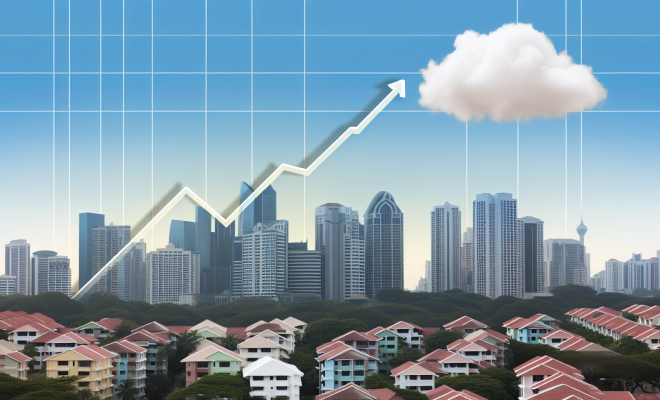
The economic landscape in the United States is facing significant challenges as rising recession risks coincide with worsening housing affordability. Recent surveys indicate that economists are now projecting a 34% chance of recession in the near future, an increase from 28% at the end of 2022. This shift is largely attributed to the ongoing conflict in Iran, which has disrupted oil supplies and heightened the vulnerability of the US economy.
The Impact of Global Events on the US Economy
As tensions escalate in the Middle East, particularly with the war in Iran, its ramifications are felt far beyond the region. The conflict has not only affected oil prices but has also contributed to an overall sense of uncertainty in global markets. Michael Pearce, a senior economist at Oxford Economics, points out that while the US has reduced its dependence on foreign oil, it remains susceptible to the economic ripples caused by international crises.
As a result of these geopolitical tensions, the forecast for non-farm payroll jobs has dropped to an average of 64,500 per month. This deceleration in job growth, coupled with an anticipated rise in unemployment rates to 4.50% by December 2026, paints a concerning picture for the labor market.
Housing Affordability Takes a Hit
One of the most pressing issues facing American households is the increasing difficulty in affording housing. As mortgage rates continue to climb, the affordability crisis has deepened. Earlier in 2026, there were signs of improvement in both mortgage rates and home prices, providing a glimmer of hope for potential homebuyers. However, the recent surge in rates has significantly reversed these trends.
- Rising Mortgage Rates: The current economic climate has led to higher mortgage rates, making homeownership less attainable for many.
- Inflation Volatility: Persistent inflation has contributed to fluctuations in the housing market, adding to the financial strain on buyers.
- Geopolitical Tensions: The war in Iran has exacerbated inflation concerns, indirectly impacting the housing sector.
Experts are now predicting that the 10-year Treasury yield will rise to around 4.03% by the end of March 2027, which typically correlates with higher mortgage rates. As borrowing costs increase, many prospective buyers may find themselves priced out of the market, further complicating the already challenging housing landscape.
What This Means for Homebuyers
For many Americans, the dream of homeownership is becoming increasingly elusive. The combination of rising mortgage rates and stagnant wage growth puts significant pressure on household budgets. The National Association of Realtors has noted that affordability is at its lowest point since the last housing crisis, prompting many to reconsider their options.
Some potential homebuyers may opt to delay their purchases in hopes of future rate decreases or price corrections. However, with the current geopolitical instability and the likelihood of continued economic uncertainty, this may not be a viable strategy.
Policy Implications and Future Outlook
As the risk of recession looms larger, policymakers will need to consider measures to bolster the economy and support housing affordability. This could include adjusting interest rates, implementing housing assistance programs, or exploring ways to stabilize the job market.
The Federal Reserve may face tough decisions ahead. As inflation remains a concern, the balance between controlling prices and fostering economic growth will be critical. Should the Fed choose to raise interest rates further, it may inadvertently exacerbate the housing affordability crisis.
Conclusion
As we navigate these turbulent economic waters, the intertwining challenges of rising recession risks and worsening housing affordability will require careful attention from both policymakers and potential buyers. The ongoing war in Iran has underscored the fragility of the global economy, highlighting the importance of resilience and adaptability in the face of uncertainty.
The outlook may seem bleak, but understanding these dynamics can empower consumers and leaders alike to make informed decisions in a challenging economic environment. The road ahead will be difficult, but with proactive strategies and thoughtful policies, there is hope for a more stable economic future.