Google Invests $468M in Proxima Fusion: Energy’s Future?
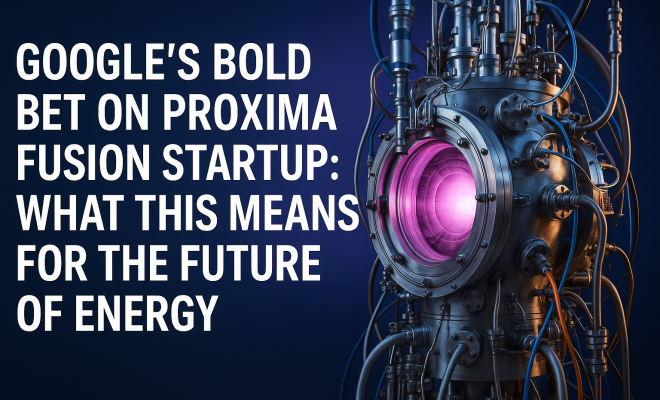
“`html
In a surprising twist that has sent ripples through both the tech and energy sectors, Alphabet Inc. (GOOGL) has committed a staggering $468 million to the German-based Proxima Fusion startup. This round of funding marks a significant moment for nuclear fusion, spotlighting a technology that has long been considered the holy grail of clean energy. As the world grapples with a climate crisis and the urgent need for sustainable energy sources, Google’s investment suggests a pivot away from a tech-centric focus solely on artificial intelligence towards a more diversified approach that includes physical energy infrastructure.
Understanding Proxima Fusion’s Vision
Founded in Berlin, Proxima Fusion is at the forefront of developing nuclear fusion technology to address the energy crisis. Unlike traditional nuclear fission, which splits atoms to release energy, nuclear fusion combines them, promising a cleaner and almost limitless energy source. Proxima aims to bring this dream to reality by harnessing the power of fusion in a safe, efficient manner.
The startup’s technology relies on advanced electromagnetic containment to stabilize plasma at the extreme temperatures necessary for fusion reactions. This innovative approach seeks to overcome the technical challenges that have plagued fusion research for decades. With Google’s backing, Proxima Fusion is now better positioned to accelerate its research and development, potentially revolutionizing energy production.
Why Google’s Investment Matters
Google’s backing of Proxima Fusion is a pivotal moment that underscores the growing intersection of technology and energy. Traditionally, big tech companies have focused on software and digital services, leaving heavy investments in energy to specialized firms. However, as concerns about climate change mount and energy demands grow, companies like Google are re-evaluating their strategies.
This funding round signals a shift in priorities, showcasing a belief that fusion technology might soon become a viable solution to the world’s energy needs. By investing in Proxima, Google is not just diversifying its portfolio but also positioning itself as a leader in the emerging field of sustainable energy.
The Significance of the Funding Round
Proxima Fusion’s $468 million funding round is a watershed moment for the fusion industry. Historically, fusion startups have struggled to attract significant capital, often overshadowed by the allure of software and AI ventures. However, the investment from Google has changed the narrative. It not only validates Proxima’s vision but also sets a precedent for future investments in deep-tech startups aiming to tackle substantial global challenges.
As Proxima Fusion prepares to use this funding to scale its operations, the implications extend beyond its own ambitions. This investment could inspire a wave of funding into the fusion sector, encouraging other investors to consider similar ventures. If Proxima succeeds, it may pave the way for a new era in energy production and consumption.
Fusion Technology: A Game-Changer for Energy
Fusion technology has often been termed the “holy grail” of energy due to its vast potential. The process promises to produce energy with minimal environmental impact, as it generates no greenhouse gases and produces significantly less radioactive waste compared to fission. Furthermore, the fuel for fusion—primarily isotopes of hydrogen—abounds in seawater, offering a virtually inexhaustible resource.
However, the path to practical fusion energy has not been straightforward. Many projects have faced immense scientific and engineering challenges over the years, leading to skepticism about its feasibility. But advancements in superconducting magnets, lasers, and computational simulations have rekindled hopes that commercial fusion energy could be on the horizon.
The Role of Big Tech in Energy Transition
Google’s investment in Proxima Fusion is part of a broader trend where tech giants are venturing into energy markets. Companies like Amazon and Microsoft have also initiated efforts to promote sustainability through investments in renewable energy technologies. This growing involvement of big tech in energy can reshape the landscape of how we think about energy production and consumption. (See: Nuclear fusion technology overview.)
The infusion of capital and technological expertise from tech giants can fast-track innovations that smaller companies might struggle to achieve. For instance, Google’s strength in data analytics could be a game-changer for optimizing fusion reactor performance, potentially expediting the day when fusion becomes commercially viable.
Proxima’s Leadership and Vision
At the helm of Proxima Fusion are a group of experts dedicated to making fusion energy a reality. Their leadership combines decades of experience in physics, engineering, and technology commercialization. This multidisciplinary approach is critical in tackling the complex challenges that fusion technology presents.
The team is driven by a vision that transcends profit; they genuinely seek to provide a sustainable solution to the global energy crisis. As they prepare to deploy the funding acquired from Google, their strategic goals focus not only on technology development but also on public engagement to foster understanding and support for fusion energy.
Challenges Ahead for Proxima and the Fusion Industry
While the investment from Google is a substantial vote of confidence, Proxima Fusion is still facing significant hurdles. The technical challenges inherent in achieving controlled nuclear fusion are immense. Achieving the necessary conditions for fusion—extreme heat and pressure to ignite the reaction—requires cutting-edge technology and significant breakthroughs.
Moreover, regulatory frameworks must evolve to accommodate new energy technologies. Proxima and other fusion startups will need to navigate complex regulatory landscapes to bring their technology to market. This journey will require collaboration with governments, energy regulators, and other stakeholders to ensure that fusion can become a part of the energy mix.
The Global Energy Landscape and the Need for Innovation
The global energy landscape is currently at a crossroads. With climate change threatening ecosystems and communities, the need for effective, sustainable energy solutions has never been more urgent. Renewable energy sources like wind and solar have made significant strides, but they alone may not be sufficient to meet the world’s energy demands in a sustainable way.
This context makes the role of fusion technology even more critical. If Proxima Fusion can successfully develop its technology, it could provide a stable, clean energy source capable of powering economies while reducing carbon emissions. This potential aligns perfectly with global efforts to achieve net-zero carbon targets.
Proxima Fusion Startup: A Catalyst for Future Investments
The funding secured by Proxima Fusion could serve as a catalyst for an influx of investments into the fusion sector. Investors looking for opportunities in clean energy may increasingly turn their attention toward startups like Proxima, recognizing the potential for substantial returns in a market poised for growth.
As the conversation around sustainable energy continues to evolve, the success of Proxima Fusion could inspire similar ventures worldwide, marking a turning point in the pursuit of fusion as a practical energy source.
Future Prospects for Nuclear Fusion
Looking ahead, the prospects for nuclear fusion appear more promising than ever. With the global push for cleaner energy sources, Proxima Fusion’s advancements could play an essential role in the broader energy narrative. In recent years, there has been a noticeable increase in government and private sector interest in fusion technology. For instance, the U.S. Department of Energy has allocated funding for several fusion projects, including collaborations with private startups. This trend reflects a growing recognition of fusion as a viable alternative to fossil fuels.
International collaborations are also becoming increasingly common. Initiatives like the ITER (International Thermonuclear Experimental Reactor) project aim to bring together scientists and engineers from around the world to advance fusion science. This collaborative spirit could lead to breakthroughs that smaller, isolated projects may not achieve.
Real-World Applications of Fusion Technology
While the primary focus of Proxima Fusion and other startups is on energy production, the applications of fusion technology extend far beyond electricity generation. For instance, fusion could revolutionize the field of space exploration. The high energy output of fusion reactions could enable more rapid space travel, making interplanetary missions feasible within a human lifetime. Concepts like fusion propulsion systems are already being explored by organizations such as NASA, which sees the potential for fusion in long-term missions to Mars and beyond. (See: Future of nuclear fusion energy.)
Additionally, fusion technology could play a role in hydrogen production, which is essential for various industrial processes and as a clean fuel alternative. The abundant fuel supply from seawater makes fusion an attractive option for sustainable hydrogen generation, further supporting the transition to a hydrogen-based economy.
Statistics and Expert Perspectives
Investments in fusion technology have shown significant growth over the past few years. According to a report by the Fusion Industry Association, global investment in fusion energy reached over $2 billion in 2021 alone, indicating a strong upward trend. Analysts predict that if this pace continues, fusion could become a major contributor to the global energy mix by the 2030s.
Experts in the field, including physicists and energy analysts, are optimistic about the advancements being made. Dr. Fatima Ahmed, a leading fusion researcher at the Max Planck Institute for Plasma Physics, notes, “The recent developments in superconducting technology and plasma control mechanisms have created unprecedented opportunities for fusion startups. Proxima Fusion stands at the forefront of this exciting era.”
FAQs about Proxima Fusion and Nuclear Fusion Technology
What is nuclear fusion, and how does it differ from fission?
Nuclear fusion is the process of combining lighter atomic nuclei to form a heavier nucleus, releasing energy in the process. In contrast, nuclear fission involves splitting heavy atomic nuclei into lighter ones. Fusion generates significantly less radioactive waste and has a more abundant fuel supply compared to fission.
What role does Proxima Fusion play in the fusion industry?
Proxima Fusion is developing novel technologies aimed at achieving controlled nuclear fusion. By securing substantial funding, it is positioned to advance its research and development efforts, potentially making fusion energy a practical reality.
Why is Google’s investment significant?
Google’s investment reflects a growing trend among tech companies to diversify into energy solutions. This funding not only validates Proxima Fusion’s goals but also highlights the increasing recognition of fusion technology as a viable alternative to conventional energy sources.
What are the challenges facing fusion technology?
Fusion technology faces several challenges, including achieving the extreme conditions necessary for fusion reactions, developing efficient containment systems, and navigating complex regulatory frameworks. Overcoming these hurdles will be essential for fusion to become commercially viable.
How soon can we expect fusion energy to be commercially available?
While predicting exact timelines is challenging, many experts believe that with continued investment and technological advancements, commercial fusion energy could be feasible within the next two to three decades.
The Economic Impact of Fusion Technology
As Proxima Fusion advances its technology, the economic implications could be far-reaching. The energy sector is a multi-trillion-dollar industry, and the successful deployment of fusion energy could reduce reliance on fossil fuels, positively impacting energy prices globally. Early estimates suggest that commercial fusion could provide electricity at competitive rates, potentially undercutting traditional energy sources like coal and natural gas.
Furthermore, the creation of jobs in research, development, and energy production would stem from a thriving fusion industry. Proxima Fusion’s growth could stimulate economic activity in tech hubs and research centers worldwide, attracting talent and investment. (See: Research on nuclear fusion.)
Comparative Analysis: Fusion vs. Other Renewable Technologies
When comparing fusion energy to other renewable technologies, it’s crucial to consider efficiency, scalability, and environmental impact. Traditional renewables, such as solar and wind, rely on weather conditions and can sometimes struggle with consistency in energy supply. In contrast, fusion offers the potential for a continuous and reliable energy source, as it can operate independently of environmental factors.
Additionally, fusion’s ability to produce vast amounts of energy with minimal waste positions it as a more attractive option in terms of long-term sustainability. While solar panels and wind turbines have made significant advancements, their manufacturing processes can also contribute to environmental degradation. Fusion, with its cleaner production cycle and virtually limitless fuel supply, may ultimately provide a more sustainable alternative.
The Role of Public Perception in the Acceptance of Fusion Energy
Public perception plays a significant role in the acceptance of nuclear fusion technology. Historically, nuclear energy has been a contentious issue, often overshadowed by fears stemming from incidents related to fission reactors. Proxima Fusion and similar companies must engage with communities to educate them about the safety and environmental benefits of fusion. Building trust and transparency through outreach can help mitigate fears and foster support for fusion projects.
Education initiatives could include partnerships with educational institutions, public seminars, and media campaigns that highlight the potential benefits of fusion energy. As more people understand the science behind fusion and its implications for a sustainable energy future, the likelihood of public support increases.
Future Collaborations and Partnerships
Proxima Fusion’s success might also hinge on its ability to form strategic partnerships with other entities, including universities, research institutions, and government agencies. Collaborations with academic institutions can facilitate research and innovation, while partnerships with government bodies can help navigate regulatory challenges. Proxima’s engagement with international fusion projects like ITER can also promote knowledge sharing and development.
By leveraging the expertise of various stakeholders, Proxima Fusion can enhance its technological developments and address challenges more effectively. Collaborative projects often bring a wealth of resources and knowledge that can accelerate progress in the fusion field.
Concluding Thoughts: The Future of Energy with Proxima Fusion
The backing of Proxima Fusion by Google is a monumental development that could shape the future of energy. As more tech companies recognize the importance of diversifying into energy solutions, we may be on the brink of a new era where sustainable energy technologies, particularly nuclear fusion, take center stage. With Proxima’s innovative vision and Google’s financial support, the dream of clean, abundant energy might finally be within reach.
“`
Trending Now
Frequently Asked Questions
What is Proxima Fusion and what do they do?
Proxima Fusion is a German startup focused on developing nuclear fusion technology to create a cleaner and nearly limitless energy source. Founded in Berlin, the company aims to overcome longstanding challenges in fusion research by utilizing advanced electromagnetic containment to stabilize plasma at the high temperatures needed for fusion reactions.
Why did Google invest in Proxima Fusion?
Google invested $468 million in Proxima Fusion to diversify its focus from solely technology and artificial intelligence to include physical energy infrastructure. This investment reflects the company's recognition of the urgent need for sustainable energy solutions amid growing climate change concerns and rising energy demands.
What does nuclear fusion promise for energy production?
Nuclear fusion promises a cleaner and almost limitless energy source by combining atoms rather than splitting them, as in traditional nuclear fission. This process is seen as the holy grail of clean energy, offering a sustainable solution to the energy crisis without the harmful byproducts associated with fossil fuels.
How could Proxima Fusion change the energy landscape?
Proxima Fusion's innovative approach to nuclear fusion could revolutionize the energy landscape by providing a safe and efficient means of producing energy. With Google's backing, the startup is better positioned to accelerate its research and development, potentially leading to breakthroughs that can significantly reduce reliance on fossil fuels.
What impact does Google's investment have on the tech and energy sectors?
Google's investment in Proxima Fusion signifies a pivotal shift in the intersection of technology and energy. It highlights a broader trend where tech companies are moving beyond software and digital services to engage in energy solutions, reflecting an evolving strategy to address climate challenges and energy demands more effectively.
What did we miss? Let us know in the comments and join the conversation.