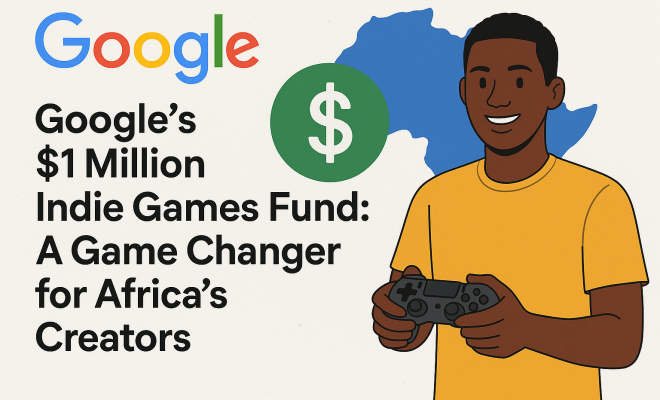
Google’s $1M Indie Games Fund 2026: Boosting African Creators
“`html
On July 3, 2026, a significant shift occurred in the gaming landscape of Africa when Google Play announced its new $1 million Indie Games Fund. This initiative, launched in Nairobi, Kenya, marks a pivotal moment for African game developers, providing them with much-needed financial resources and technical support. The fund is not just a financial boost; it’s a signal of a larger change in the global startup ecosystem and a chance for local creators to thrive. There’s a fuller look at mobile gaming trends.
The Need for Financial Support in African Gaming
Historically, African game developers have faced daunting challenges when it comes to funding. Many talented creators struggle to find the resources needed to bring their ideas to life. The tech landscape is often dominated by larger companies with substantial financial backing, leaving indie developers to fend for themselves. This $1 million Indie Games Fund is designed to address that gap directly.
As mobile gaming explodes across the continent, the demand for innovative, diverse content has never been higher. According to recent reports, Africa’s gaming market is expected to grow by over 20% annually in the next five years. Yet, despite this rapid growth, local developers have had limited access to funding opportunities. Google’s investment represents a counterintuitive yet welcome shift from a US tech giant into a previously underserved market.
Empowering Local Creators
The essence of the Indie Games Fund is to empower local creators. Google aims to provide not just financial backing, but also technical support and mentorship. With seasoned experts guiding new developers, the initiative promises to nurture talent and drive innovation in the sector.
As more African developers get the chance to create and distribute their games, the potential for unique storytelling and cultural representation in gaming increases. This fund could be the catalyst that allows local stories to resonate on a global scale, enriching the gaming ecosystem for everyone involved.
The Strategic Importance of African Markets
Google’s initiative reflects a broader strategy to diversify its content library and tap into the growing mobile gaming market in Africa. With millions of new users coming online every year, the continent represents a fertile ground for growth. According to the International Telecommunication Union, Africa has experienced a surge in mobile phone penetration, which has paved the way for gaming accessibility.
For Google, investing in African indie games is not just about charity; it’s about business. By fostering local talent, Google can enrich its platform with diverse content that appeals to a wider audience. As more African developers bring their unique perspectives to mobile gaming, the content ecosystem on Google Play can become more varied and appealing, ultimately benefiting users.
The Impact on the Global Gaming Industry
This investment by Google could potentially reshape the global gaming industry. By bringing African narratives and designs to the forefront, the fund could challenge the longstanding dominance of Western gaming culture. Developers from Africa can create games that reflect their unique experiences, offering insights into their cultures and lifestyles.
As these games find their way into international markets, they can open new avenues for storytelling that resonate across borders. This could lead to a greater appreciation for diverse game design and foster a willingness among global players to explore games from different perspectives.
Challenges Ahead for Indie Developers
While the $1 million Indie Games Fund is a significant step forward, it certainly doesn’t eliminate the challenges African developers face. The gaming industry is notoriously competitive, and securing funding is only one piece of the puzzle. Developers must also navigate the complexities of game design, marketing, and distribution.
Moreover, access to technology and the internet can be inconsistent across the continent. Developers in remote areas may struggle with connectivity issues, limiting their ability to collaborate, share, and distribute their work effectively. For the Indie Games Fund to make a lasting impact, these challenges need to be addressed alongside financial support. (See: Africa's gaming market growth.)
The Role of Mentorship in the Fund
One of the most promising aspects of the Indie Games Fund is its commitment to mentorship. By pairing new developers with experienced industry professionals, Google is investing in the future of African gaming. Mentorship can help young creators avoid common pitfalls, refine their ideas, and navigate the complex landscape of game development.
This guidance is invaluable, especially for those who may be new to the industry or lack formal training. By providing access to knowledge and networks, the fund can create a new generation of skilled developers who are equipped to thrive in a competitive landscape. The ripple effect of this mentorship could see not just individual success stories, but also a strengthening of the entire gaming community in Africa.
Community Building Through Gaming
Gaming is more than just a form of entertainment; it has the power to build communities. The Indie Games Fund can serve as a catalyst for collaboration among developers, designers, and players across Africa. By creating a thriving indie game ecosystem, Google is not only fostering individual talent but also encouraging a sense of community and shared purpose.
As developers come together to share ideas and support one another, the potential for collaborative projects increases. This could lead to innovative game designs that blend different cultural influences, ultimately enriching the gaming experience for players around the world.
The Global Attention on African Gaming
The launch of the Indie Games Fund has already sparked interest from global investors and media. As awareness grows about the potential of African games, an influx of attention and resources may follow. Investors looking for the next big opportunity are likely to take notice of the talent pool emerging from the continent.
This could lead to additional funding and partnerships, further elevating the status of African developers on the global stage. The more success stories that emerge from this initiative, the greater the momentum for investment into African gaming as a whole. It’s a classic case of how visibility can breed opportunity.
What’s Next for the Indie Games Fund?
As the $1 million Indie Games Fund kicks off, developers and entrepreneurs are left wondering what the next steps will be. Google has indicated that the fund will not only provide direct financial assistance but also ongoing support through workshops, networking events, and promotional opportunities on their platform.
As the program unfolds, it will be crucial for Google to maintain transparency and provide measurable outcomes. Potential beneficiaries will want to see clear guidelines on how to apply, as well as success metrics that demonstrate the fund’s effectiveness.
Final Thoughts: The Future of Gaming in Africa
Google’s $1 million Indie Games Fund is a landmark initiative that has the potential to transform the landscape of gaming in Africa. By investing directly in local talent, Google is doing more than just funding projects; it’s igniting a movement of empowerment, creativity, and cultural expression.
While challenges remain, the excitement surrounding this fund signifies a new dawn for indie game development in Africa. As local creators step into the spotlight, they can reshape narratives, build communities, and contribute to a global gaming culture. The future of gaming in Africa is bright, and with initiatives like Google’s fund, it’s poised to reach new heights.
Understanding Indie Games in Africa
To fully appreciate the implications of the Indie Games Fund, it’s essential to understand what constitutes an indie game. Indie games are typically created by individuals or small teams without the financial support of a large publisher. This independence allows for greater creative freedom and the ability to experiment with unique gameplay mechanics and storytelling techniques. In Africa, indie games have the potential to reflect authentic local cultures, languages, and experiences, which are often overlooked by mainstream developers.
The indie gaming scene in Africa is diverse, with developers drawing inspiration from their rich cultural heritage. For instance, games like “Aurion: Legacy of the Kori-Odan,” developed by the Cameroonian studio Kiro’o Games, showcase African mythology and history. Such titles not only entertain but also educate players on the continent’s diverse cultures.
The Economic Potential of Gaming in Africa
The economic impact of gaming in Africa is profound. The industry is expected to generate billions in revenue as more players engage with games tailored to their interests. According to a report by Newzoo, the African gaming market is projected to be worth $1.08 billion by 2023. This economic growth will create jobs, not just for developers, but also for marketers, artists, and support staff. (See: Challenges faced by African game developers.)
Additionally, as gaming becomes a more recognized industry, it can attract foreign investments, leading to the establishment of local studios and the creation of technology hubs. This could set off a chain reaction, where successful indie games lead to increased interest in game development education and training programs, building a skilled workforce.
Statistics on African Gaming Trends
Understanding the current trends in the African gaming market is crucial for developers and investors. Recent statistics highlight the rapid growth and evolving landscape of gaming on the continent:
- Mobile Gaming Dominance: Over 90% of gamers in Africa prefer mobile gaming due to the high penetration of smartphones.
- Player Demographics: The average age of gamers in Africa is between 18 to 35, indicating a young and tech-savvy audience ready for engagement.
- Market Growth: The African gaming market is expected to reach $2.3 billion by 2025, driven by increased internet connectivity and smartphone accessibility.
- Local Content Demand: A survey revealed that 70% of African gamers prefer games that reflect local cultures and narratives.
Expert Perspectives on Indie Games Fund Africa
Experts in the gaming industry have weighed in on the significance of the Indie Games Fund. Dr. Chijioke Okwuosa, a gaming scholar at the University of Ibadan, emphasizes that this initiative represents a pivotal moment for the continent. “By investing in African indie games, Google is not just providing funding but also paving the way for a new narrative in gaming that highlights African creativity and innovation,” he notes.
Additionally, industry analyst Fatima Ndaw points out, “The Indie Games Fund could enhance the visibility of African developers on a global scale. The success of local projects will inspire a new generation of creators to tell their stories through games.” These perspectives highlight the importance of this initiative in shaping the future of gaming in Africa.
Building a Sustainable Indie Gaming Ecosystem
The sustainability of the Indie Games Fund will rely heavily on how effectively it fosters a self-sufficient indie gaming ecosystem in Africa. This involves not only financial support but also creating an environment conducive to learning, collaboration, and continuous innovation. Local game development hubs, incubators, and community events can play a crucial role in this regard.
By establishing local networks where developers can share resources, learn from each other, and even collaborate on projects, the fund can help fortify the indie game development scene. For instance, initiatives such as game jams—events where developers come together to create games in a short time—could become more prevalent, leading to game prototypes that can be refined and potentially funded.
Marketing Strategies for Indie Games
Even with funding and mentorship, marketing remains a critical hurdle for indie developers. Many talented creators struggle to get their games noticed in a crowded marketplace. The Indie Games Fund could potentially include marketing support, equipping developers with the knowledge and tools needed to promote their games effectively.
Social media platforms, influencer partnerships, and targeted advertising can be powerful tools for reaching audiences. For example, utilizing platforms like Twitter or TikTok to showcase gameplay and engage with potential players can create buzz around a game before its release. Furthermore, participating in gaming festivals and expos can provide developers with valuable exposure and networking opportunities.
Challenges of Cultural Representation in Games
As African developers step into the spotlight, it’s essential to address the challenges surrounding cultural representation in games. While the Indie Games Fund opens doors for diverse storytelling, there’s a risk that some narratives may still be guided by external influences rather than authentic local perspectives. Ensuring that developers are empowered to tell their own stories, rather than conforming to trends set elsewhere, is crucial.
Encouraging developers to collaborate with local communities can help bridge this gap. The voices of the people who live and breathe the cultures being represented can lead to richer, more authentic storytelling in games. This could involve consulting cultural experts or even engaging with the communities themselves to ensure accurate representation. (See: Google's investment in indie games.)
Frequently Asked Questions (FAQ)
1. What types of projects will the Indie Games Fund support?
The fund is expected to support a variety of projects, ranging from mobile games to larger indie titles. The focus is on innovative concepts that incorporate local culture and storytelling.
2. How can developers apply for funding?
Developers interested in applying for the fund should keep an eye on announcements from Google Play regarding application procedures, guidelines, and deadlines.
3. Will the fund offer ongoing support beyond financial backing?
Yes, alongside financial support, the fund will provide mentorship, workshops, and networking opportunities to help developers grow their skills and connect with industry professionals.
4. How will the success of funded projects be measured?
Google will likely use metrics such as game downloads, user engagement, and feedback to assess the success of projects funded by the Indie Games Fund.
5. What challenges do African indie developers face?
Challenges include limited access to technology, inconsistent internet connectivity, marketing difficulties, and competition from established gaming companies. The Indie Games Fund aims to help address these issues.
6. Can this fund help in fostering partnerships between developers?
Absolutely! The Indie Games Fund encourages collaboration among developers, which can lead to innovative projects that blend different cultural influences and storytelling techniques.
7. How does this fund impact the perception of African games globally?
The fund is likely to enhance the global perception of African games by showcasing local talent and diverse narratives, challenging stereotypes and expanding the gaming experience for players worldwide.
By investing in African indie games, the Indie Games Fund not only supports local developers but also plays a crucial role in redefining the gaming narrative globally. As this initiative unfolds, the world will be watching closely to see how it transforms the gaming landscape in Africa.
“`
Trending Now
Frequently Asked Questions
What is Google's Indie Games Fund for Africa?
Google's Indie Games Fund for Africa is a $1 million initiative launched to support local game developers by providing financial resources and technical assistance. This fund aims to empower creators in Africa and foster innovation in the gaming industry.
How will the Indie Games Fund benefit African game developers?
The Indie Games Fund will benefit African game developers by offering financial support, technical guidance, and mentorship from industry experts. This initiative aims to help creators overcome funding challenges and bring their unique games to market.
Why is funding important for African game developers?
Funding is crucial for African game developers as it allows them to access resources needed to develop and market their games. Historically, many talented creators have struggled to find financial backing, hindering their ability to innovate and compete in the growing gaming market.
What impact will the Indie Games Fund have on the gaming industry in Africa?
The Indie Games Fund is expected to significantly impact the African gaming industry by increasing the number of locally developed games, enhancing cultural representation, and driving innovation. This could lead to a richer gaming ecosystem that resonates with global audiences.
When was the Indie Games Fund launched?
The Indie Games Fund was launched on July 3, 2026, in Nairobi, Kenya, marking a significant commitment by Google to support and empower local game developers in Africa.
Agree or disagree? Drop a comment and tell us what you think.