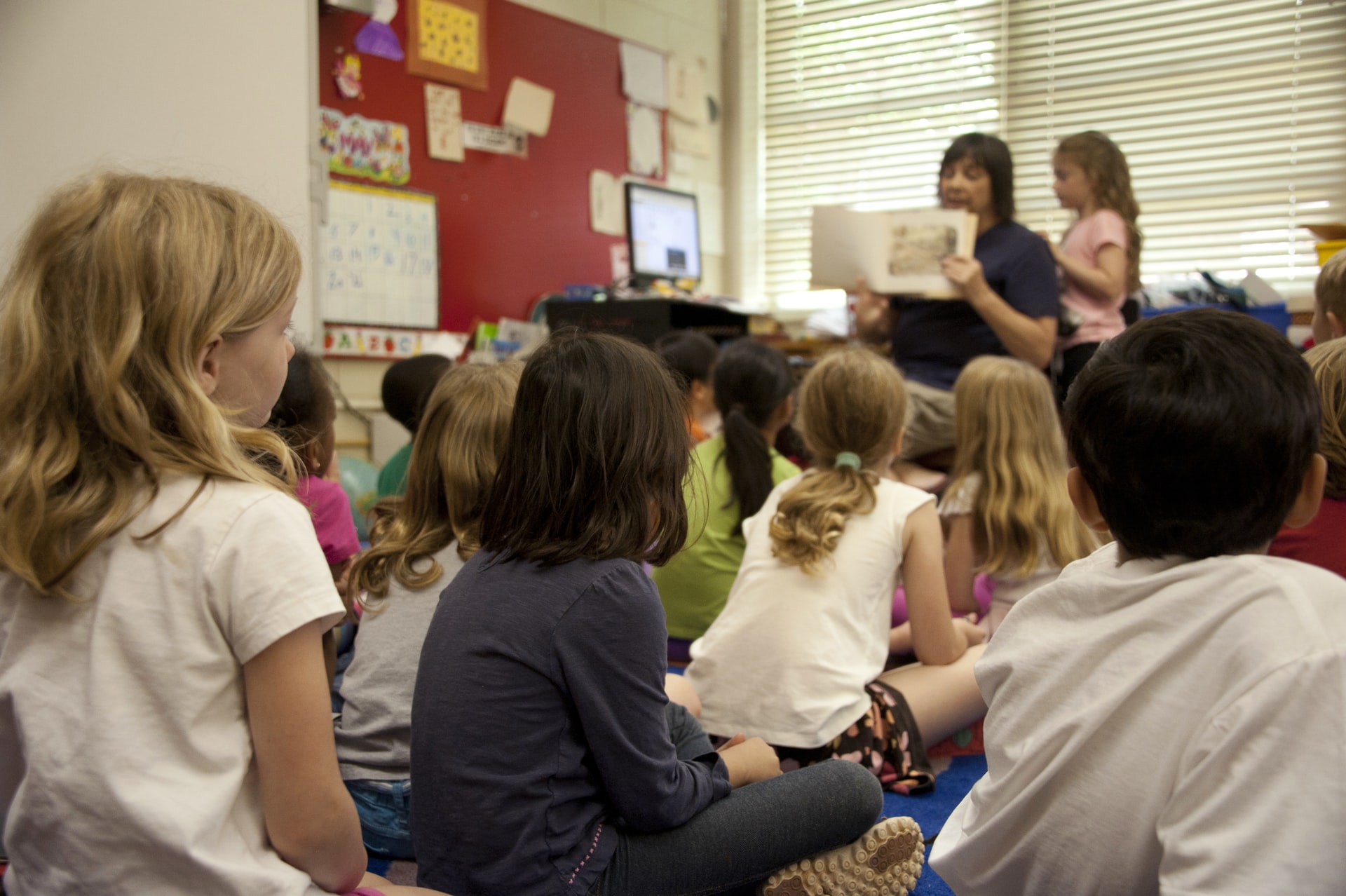
Good Readers and Reading Strategies: Everything You Need to Know
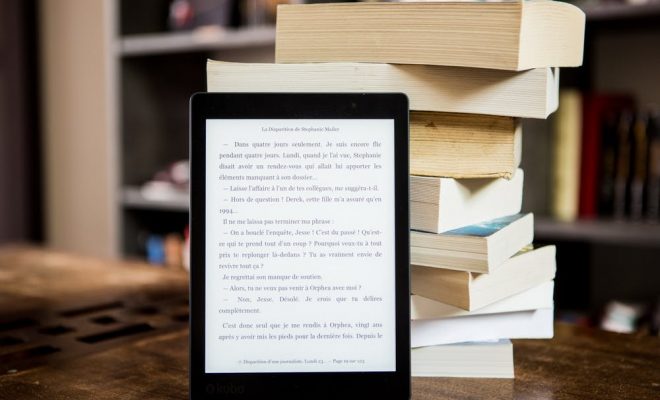
Educators focus on teaching reading and comprehension strategies thinking that those will help learners in reading better. However, several literacy experts claim that these strategies do not help the good or even average readers.
Learn to discover what the reading strategies are and why literacy experts think these strategies don’t work on good readers. This way, you can make an informed choice about whether you want to incorporate these into your lessons or not.
Reading Strategies
Some of the most common reading strategies employed by educators are:
- Summarization
- Questioning
- Monitoring
- Visualizing
Educators believe that these strategies help learners when they face difficulty making sense of the text.
Understanding How Reading Strategies Help
Pick an instance of your own experience. If you reread a book that you read in your childhood, it will be easy for you to follow, and you will not need to employ reading strategies.
However, if you pick a difficult read, be it a philosophical text of a German philosopher or a classic English novel, you will need more time and reading strategies to understand it.
The key takeaway is that you would only employ reading strategies when facing difficulties understanding the text. You would not have bothered to put in that much effort had you understood the text easily. Experts say that reading strategies do not help good or even average readers.
Experts claim that most school texts are not particularly hard for average readers. So, even though we teach reading strategies to learners, they never need to apply them. By the time learners encounter complex texts, they have gotten out of the practice of using reading strategies.
For instance, when learners finally face a problem understanding ninth-grade biology or physics, they go into their default mode, which is not to use reading strategies even though they might help in such situations.
Another reason learners do not use reading strategies is that they do not feel the need to challenge themselves. This happens because exams often do not test learners’ deep understanding of the material. Instead, the questions only require superficial knowledge to answer them.
Good readers get away with having a superficial understanding of the test material. Poor readers struggle with reading the test material, so reading strategies would help them better.
What’s The Solution?
Poor learners may use reading strategies more often when struggling with understanding a difficult text. On the other hand, average or good readers would read through the text to gain superficial knowledge, perform at acceptable levels in exams, and would not require reading strategies to get a deeper understanding.
Does that mean that good readers should not learn reading and comprehension strategies? The answer is no. All learners should learn reading strategies, and at the same time, educators should try to create an environment that emphasizes the value of knowledge and understanding.
And that requires learners to confront genuine intellectual challenges. Instead of simply asking learners to answer simple questions, learners should be given more insightful questions and require deeper learning.
Concluding Thoughts
All learners should learn reading strategies even though they might benefit the low readers more. Simultaneously, educators should encourage an environment that challenges learners into deeper learning and employ the reading and comprehension strategies they learn.