Germany Inflation Forecast 2026: Rising Costs Ahead
“`html
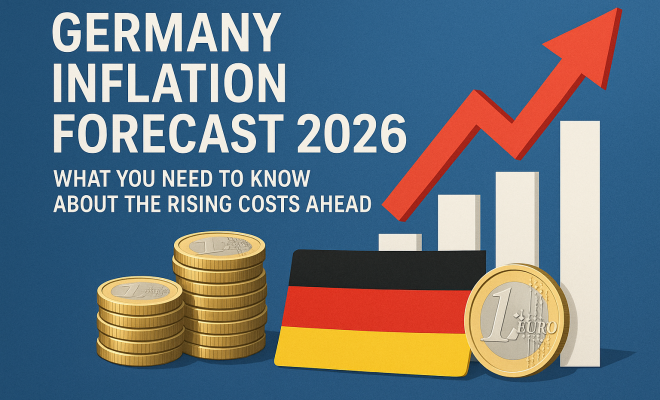
The financial landscape of Germany is undergoing significant changes, with the Germany inflation forecast 2026 indicating a worrying rise in average inflation rates to between 2.6% and 3.1%. This shift has taken many by surprise, especially since it marks a notable increase from previous expectations. As household purchasing power hangs in the balance, it’s essential to understand the factors driving this inflation spike and its implications for everyday life.
1. The Numbers Behind the Forecast
Recent reports from various German economic research institutes have revised their inflation forecasts for 2026, raising alarming concerns about consumer purchasing power. The expected inflation rate of 2.6% to 3.1% signifies a departure from earlier predictions, presenting a significant challenge for households grappling with rising costs. This change reflects an environment where the cost of living is increasingly unaffordable for many.
This forecast is not merely a statistic; it represents the cumulative effects of escalating costs in essentials such as food, housing, and transportation. The implications of such inflationary pressures can be profound, potentially leading to a recessionary environment where consumer spending declines further, exacerbating the economic challenges already faced by many citizens.
2. Geopolitical Tensions Fueling Inflation
One of the primary drivers of the anticipated rise in inflation is the ongoing geopolitical tensions that have shaken the global economy. The conflict in Ukraine, as well as other regional disputes, has caused significant instability that has reverberated through energy markets and commodity prices. This volatility in energy prices has a direct impact on the overall cost of living, as higher energy prices translate into increased transportation and production costs.
Moreover, these geopolitical issues contribute to a broader sentiment of uncertainty in the marketplace. As consumers and businesses alike react to these tensions, their purchasing behaviors may shift, fueling further inflationary pressures. Understanding this dynamic is crucial for policymakers aiming to address these challenges effectively.
3. Household Impact: Erosion of Purchasing Power
The forecasted inflation surge is particularly concerning for German households, as it threatens to erode purchasing power significantly. With stagnant wages failing to keep pace with rising prices, many families are feeling the pinch. This disconnection between income growth and inflation is pushing households to re-evaluate their spending habits, often leading to difficult decisions about what to prioritize.
As households adapt to these economic realities, there may be a growing demand for financial education and resources to help individuals navigate this challenging landscape. Many people are turning to inflation-hedging strategies, such as investing in gold or real assets, as a means to protect their savings. The emotional toll of these financial concerns is significant, fueling discussions on social media and bringing awareness to a broader audience.
4. The ‘Fear of Missing Out’ Phenomenon
As inflation forecasts trend upward, a rising phenomenon dubbed the ‘fear of missing out’ (FOMO) is emerging among consumers. This FOMO is largely centered around inflation-hedging strategies that are gaining traction. Individuals are increasingly looking for ways to safeguard their savings, prompting a surge in interest towards investments that traditionally hold their value in inflationary environments.
For example, gold has historically been viewed as a safe haven asset during periods of high inflation. The increase in inquiries and sales of gold and related investments illustrates a broader shift in consumer attitudes toward financial planning. As people witness rising prices, the urgency to act grows, leading to a more dynamic and possibly volatile investment landscape.
5. Social Media and Public Sentiment
The public’s reaction to the Germany inflation forecast 2026 has been amplified by social media, where many engage in discussions about their financial struggles. Outrage over stagnant wages juxtaposed with soaring prices is a common theme in these conversations. Personal stories about the strain of living under these economic conditions are shared widely, fostering a sense of community and urgency.
This social media engagement not only reflects public sentiment but also serves as a platform for advocacy. As more individuals share their experiences, there is potential for broader political implications, pushing policymakers to take action on wage growth and inflation control. The emotional weight of these narratives cannot be underestimated, as they shape perceptions and responses to the economic situation.
6. The Role of Policymakers
In light of the rising inflation forecast, the role of policymakers becomes increasingly critical. They are tasked with addressing the economic challenges posed by the potential increase in inflation rates. The KPMG analysis underscores the necessity for strategic interventions to stabilize the economy and alleviate the financial burden on households. (See: BBC on Germany's economic outlook.)
Policymakers need to consider comprehensive approaches that address both immediate inflationary pressures and the longer-term economic outlook. This might include measures to support wage growth, enhance social safety nets, and implement policies that stabilize energy prices. The stakes are high, as failure to act could lead to a worsening cost of living crisis that affects millions of citizens.
7. The Fragile Hope of 2027
Looking beyond 2026, there is a fragile hope that inflation rates may drop to a range of 2.0% to 3.0% in 2027. However, this optimism is tempered by ongoing uncertainties in the geopolitical landscape and the inherent volatility of economic conditions. For many, this projected drop is little consolation amid the immediate challenges posed by rising prices.
Understanding this potential trajectory is crucial for both consumers and policymakers. Individuals may need to prepare for a sustained period of inflation while also considering the long-term implications of any economic decisions made in the face of these forecasts. As such, the discourse surrounding inflation will likely persist as a central topic in public and political arenas alike.
8. Protecting Your Financial Future
As individuals reflect on the Germany inflation forecast 2026, it becomes essential to consider proactive steps to protect financial stability. One strategy is to diversify investments, including a blend of traditional assets and inflation-hedging options like real estate or precious metals. This approach helps mitigate risks associated with inflation and fosters a more resilient financial position.
Additionally, financial literacy plays a crucial role in empowering consumers to make informed decisions. Seeking expert advice or attending workshops can equip individuals with the knowledge necessary to navigate the complexities of investing and savings amid rising inflation. Ultimately, proactive financial management can help individuals and families weather the storm and emerge stronger on the other side.
9. Final Thoughts on the Inflation Landscape
The landscape of inflation in Germany is rapidly evolving, with forecasts for 2026 presenting real challenges for households and policymakers alike. As inflation rates are projected to climb, the need for awareness and action is more pressing than ever. Understanding the factors at play and their implications will be vital for navigating this economic environment.
By staying informed, adapting financial strategies, and engaging in public discourse, individuals can better prepare for what lies ahead. While the road to recovery may be fraught with obstacles, the collective efforts of consumers, businesses, and policymakers can shape a more stable economic future.
10. Global Comparisons: Learning from Other Countries
Germany’s inflation forecast for 2026 isn’t happening in isolation. Countries around the world are grappling with similar inflationary pressures, and insights from their experiences can provide valuable lessons. For instance, the United States has seen inflation rates rise sharply since the onset of the COVID-19 pandemic, driven by factors such as supply chain disruptions and stimulus measures. In contrast, Japan has long struggled with deflation, illustrating how different economic policies can lead to varying inflationary outcomes.
By examining how other nations responded to rising inflation, Germany can tailor its approach. For example, the U.S. Federal Reserve’s aggressive interest rate hikes have sparked debates about their effectiveness and potential long-term impacts. On the flip side, Japan’s persistent efforts to stimulate growth through monetary policy could offer insights into alternative strategies, although they come with their own set of challenges.
This comparative analysis highlights that there’s no one-size-fits-all solution to inflation. Germany must consider its unique economic landscape, cultural factors, and historical context when crafting policies to mitigate inflationary pressures.
11. Expert Perspectives on the Forecast
To gain a deeper understanding of the Germany inflation forecast 2026, it’s essential to consult economic experts and analysts. Various think tanks and economic institutes, such as the Institute for the World Economy (IfW Kiel) and the German Institute for Economic Research (DIW), have published insights on the subject. Economists emphasize the need for a multi-faceted approach, combining fiscal responsibility with innovative monetary policies.
Experts like Professor Lars Feld, a leading economist in Germany, argue that structural reforms in labor and product markets could play a crucial role in stabilizing prices. His perspective underscores the importance of addressing underlying economic inefficiencies that contribute to inflation. On the other hand, analysts at Commerzbank have expressed concerns about the long-term sustainability of government spending, especially in light of rising debt levels.
The diversity of expert opinions highlights the complexity of the issue. Engaging with these perspectives can provide consumers and policymakers with a more comprehensive understanding of the challenges ahead. (See: CDC on inflation and economic impact.)
12. Long-Term Economic Impact: What Lies Beyond 2026?
While the immediate focus is on the Germany inflation forecast 2026, it’s crucial to consider the longer-term economic impacts of sustained inflation. Persistent inflation can lead to a cycle of wage increases as workers demand higher pay to keep up with rising costs. This wage-price spiral can be challenging for businesses that may struggle to maintain profit margins, potentially leading to layoffs or reduced hiring, which further affects consumer spending.
Moreover, sustained inflation can erode savings, diminishing the financial security of households. Individuals may find their purchasing power continuously undermined, leading to increased reliance on credit, which can create a precarious financial situation. Policymakers must address these potential ramifications proactively, as failure to implement effective measures can result in long-lasting damage to the economy.
Additionally, markets may react by adjusting interest rates and investment strategies, creating a ripple effect across various sectors. An environment of high inflation often leads to increased volatility in financial markets, and investors may shift their portfolios accordingly, favoring assets perceived as safer during turbulent times.
13. Frequently Asked Questions
What is driving inflation in Germany?
Inflation in Germany is driven by various factors, including rising energy costs, supply chain disruptions, and geopolitical tensions, particularly related to the ongoing conflict in Ukraine. These elements combined have contributed to a significant increase in the cost of living.
How will inflation impact my daily life?
As inflation rises, consumers may experience higher prices for everyday goods and services, leading to a decrease in purchasing power. This can affect household budgets, prompting individuals to reconsider their spending and saving habits.
What can I do to protect my savings from inflation?
Investing in assets that traditionally hold value during inflationary periods, such as real estate, commodities, or inflation-protected securities, can be beneficial. Additionally, increasing financial literacy and seeking professional advice can help individuals make informed decisions about managing their savings.
Are there any government measures being proposed to combat inflation?
Yes, various policymakers are considering a range of measures to address inflation, including adjustments to monetary policy, fiscal stimulus, and social safety nets aimed at supporting households facing rising costs.
How does Germany’s inflation forecast compare to other European countries?
Germany’s inflation rate is similar to those seen in several other European countries, with many nations experiencing inflationary pressures due to global supply chain issues and energy price fluctuations. However, the specific rates and underlying causes can vary significantly across the region.
What should businesses do in response to rising inflation?
Businesses may need to reassess their pricing strategies, cost structures, and supply chain management in response to inflation. Developing a flexible approach can help companies navigate the challenges posed by rising costs while maintaining profitability.
What are the long-term effects of prolonged inflation on the economy?
Prolonged inflation can lead to decreased consumer confidence, reduced spending, and potential economic slowdowns. It can also affect investment decisions and the overall growth trajectory of the economy, making it essential for policymakers to intervene effectively.
14. Regional Variations in Inflation Rates
Inflation does not impact all areas of Germany equally. Some regions may experience higher inflation rates than others, influenced by local economic conditions and industry presence. For instance, urban areas with a high cost of living, such as Berlin and Munich, often face different inflationary pressures than rural areas where the cost of living may be comparatively lower.
According to recent statistics, cities with a robust tech industry have seen housing costs surge, contributing to a higher inflation rate in those regions. In contrast, areas reliant on traditional manufacturing may not experience the same level of inflation. This disparity highlights the importance of localized economic policies that can address specific regional needs and challenges effectively. (See: New York Times on inflation trends.)
15. Consumer Confidence and Spending Habits
Consumer confidence plays a critical role in shaping spending habits, especially during times of rising inflation. As prices rise, consumer sentiment can shift significantly. According to a recent survey from the German Institute for Economic Research, consumer confidence has dipped as inflationary fears grow, leading many to curtail discretionary spending. This contraction in spending can further slow economic growth, creating a vicious cycle.
Businesses are also responding to changes in consumer behavior by adjusting their marketing strategies and pricing models. For instance, companies are offering discounts or bundling products to entice cautious consumers. Understanding these shifts can provide insight into how inflation affects the broader economy and influence future business strategies.
16. Impact on Interest Rates and Lending
The rising inflation forecast will inevitably influence interest rates, as central banks may respond by tightening monetary policy to curb inflation. Higher interest rates can have a cascading effect on borrowing costs for consumers and businesses alike. Mortgages, personal loans, and credit card rates could rise, impacting affordability and potentially slowing down housing markets.
In light of these potential changes, individuals contemplating significant purchases or investments should be mindful of how rising interest rates can affect their financial decisions. Preparing for a tightening of credit conditions may also necessitate reevaluating personal budgets and future financial commitments.
17. Inflation and Employment Trends
One critical aspect of the inflation forecast is its potential impact on employment trends. As businesses face rising costs, they may take measures to control expenses, including reducing headcount or freezing hiring. This could lead to increased unemployment or underemployment, further straining household finances during an already challenging economic period.
Conversely, certain sectors may experience labor shortages, particularly in industries where wages are rising to attract talent. The dual nature of these trends complicates the overall employment landscape and introduces additional variables for policymakers to consider when addressing inflation and economic stability.
18. Future Economic Landscapes: What to Expect
As we look towards the future, understanding the economic landscapes that may emerge post-2026 is crucial. If inflation continues to rise without effective intervention, we could see a shift in consumer behavior that prioritizes saving over spending, reshaping the economic framework. This could result in slower economic growth but also increased savings rates as consumers become more cautious.
Moreover, businesses may adapt by innovating and finding more cost-effective ways to operate. Automation and technology could play a larger role in reducing costs, which may help counteract some inflationary pressures in the long run. These evolving dynamics will require ongoing monitoring and adaptation from all economic stakeholders.
“`
Trending Now
Frequently Asked Questions
What is the inflation forecast for Germany in 2026?
The inflation forecast for Germany in 2026 is expected to range between 2.6% and 3.1%. This marks a significant increase from previous predictions, indicating a challenging economic environment for households as purchasing power is affected by rising costs.
What factors are driving inflation in Germany?
Key factors driving inflation in Germany include geopolitical tensions, particularly the conflict in Ukraine, which has destabilized energy markets and increased commodity prices. This volatility contributes to higher living costs, impacting consumers' purchasing power.
How will rising inflation affect consumers in Germany?
Rising inflation in Germany is expected to lead to increased costs for essentials like food, housing, and transportation. As prices rise, households may experience a decline in purchasing power, potentially leading to reduced consumer spending and economic challenges.
What are the implications of high inflation for the German economy?
High inflation can have profound implications for the German economy, including a potential recession. As consumer spending declines due to rising costs, it may exacerbate existing economic challenges, leading to a cycle of reduced demand and further inflationary pressures.
How does geopolitical instability impact inflation rates?
Geopolitical instability, such as conflicts and regional disputes, can significantly impact inflation rates by causing volatility in energy prices and commodity markets. This instability leads to increased production and transportation costs, which ultimately affects consumer prices and overall inflation.
Agree or disagree? Drop a comment and tell us what you think.