Fed Signals 2026 Rate Hikes Amid Surging Gas Prices & Iran Conflict
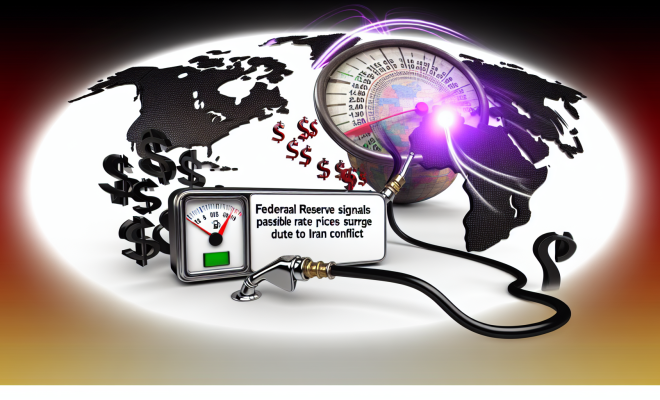
The landscape of U.S. monetary policy is shifting as Federal Reserve officials are now considering the likelihood of interest rate hikes in 2026, driven primarily by a surge in gas prices linked to the ongoing conflict in Iran. This change in perspective marks a significant pivot from the earlier expectation of potential rate cuts, reflecting the central bank’s response to evolving inflationary pressures.
Inflationary Pressures from Rising Oil Prices
As tensions in Iran have escalated, the impact on global oil markets has been profound. Higher gas prices have raised concerns among Federal Reserve policymakers, who now believe that these price surges could prolong inflationary trends longer than previously anticipated. The rising cost of energy is a critical component in the inflation equation, and many officials are increasingly vocal about the need to adjust monetary policy accordingly.
A Shift in Policy Expectations
Market expectations have undergone a remarkable transformation. Previously, the financial markets were pricing in rate cuts as early as 2024, following a period characterized by sustained interest rate reductions over 18 months. However, as inflation data continues to paint a concerning picture, the sentiment has shifted dramatically. Analysts now foresee no rate cuts until late 2027, indicating a significant recalibration in how investors view the Fed’s approach to managing inflation.
Key Insights from Federal Reserve Officials
In recent meetings, several Federal Reserve officials have expressed their concerns regarding the trajectory of inflation and the role of energy prices. The consensus among many policymakers is that if oil and gas prices remain elevated, the Fed may be compelled to implement interest rate hikes to stabilize the economy.
- Oil Price Pressures: The rising costs at the pump are not merely a short-term inconvenience but could translate into broader economic implications.
- Long-Term Inflation Risks: Persistent inflation can erode purchasing power, making it vital for the Fed to act decisively.
- Policy Tools: Interest rate adjustments remain one of the primary tools at the Fed’s disposal to combat inflation.
The Broader Economic Context
The Federal Reserve’s renewed focus on interest rate hikes comes against a backdrop of complex economic factors. The ongoing conflict in Iran is a critical variable, as geopolitical tensions can lead to unpredictable oil supply disruptions, further exacerbating inflationary pressures. Additionally, the global economy is still navigating challenges stemming from the COVID-19 pandemic, supply chain disruptions, and varying recovery rates among different sectors.
Investor Reaction and Market Implications
The reaction from investors has been swift and significant. As the prospect of prolonged higher interest rates becomes more likely, market participants are reassessing their strategies. The stock market has shown signs of volatility as investors digest the implications of these policy shifts. Higher interest rates typically mean increased borrowing costs, which can dampen consumer spending and business investment.
What This Means for Consumers
For the average consumer, the ramifications of these shifts in monetary policy can be felt in various ways:
- Higher Borrowing Costs: Consumers looking to finance homes, cars, or other major purchases may face higher interest rates, increasing their overall costs.
- Inflation Impact: As inflation continues to loom, families may need to adjust their budgets to accommodate rising prices across various sectors.
- Job Market Dynamics: While the labor market has shown resilience, higher interest rates could eventually lead to slower job growth.
Looking Ahead: The Role of Energy Prices
As Federal Reserve officials navigate this challenging environment, the trajectory of energy prices will be a key factor influencing policy decisions. The Fed’s dual mandate aims to promote maximum employment while ensuring price stability; balancing these objectives will be crucial in the months ahead. Policymakers will likely continue to monitor market developments closely, especially as they relate to the ongoing geopolitical situation in Iran.
Conclusion
In summary, the Federal Reserve’s current stance indicates a growing concern over the potential for prolonged inflation driven by rising gas prices due to the unrest in Iran. As market expectations shift towards the possibility of interest rate hikes in 2026, both investors and consumers must remain vigilant in adapting to the evolving financial landscape. The central bank’s decisions in the coming months will be critical in shaping the economic outlook and addressing the challenges posed by inflation.