CBSE’s 2031 Mandate: Third Language for Class 10 Boards
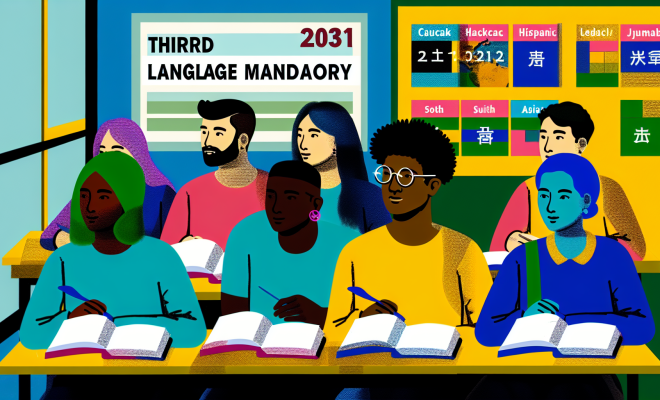
The Central Board of Secondary Education (CBSE) has announced a transformative shift in its educational framework, making it mandatory for students to learn a third language by the time they reach Class 10 board examinations. This initiative, slated for implementation by 2031, aims to enhance linguistic diversity and foster cultural integration among students across India.
The Need for Linguistic Diversity
As globalization continues to shape our world, the ability to communicate in multiple languages has become increasingly vital. CBSE officials, alongside educators, have recognized the importance of fostering linguistic skills among students to prepare them for an interconnected future. By introducing a third language requirement, the CBSE aims to develop not only students’ language proficiency but also their understanding of different cultures and perspectives.
Curriculum Reform for Holistic Development
This decision is part of a larger reform strategy aimed at promoting holistic student development amidst escalating academic pressures. The CBSE has been actively looking for ways to alleviate the stress associated with board examinations while simultaneously ensuring that students receive a well-rounded education. The introduction of a third language is seen as a critical component of this strategy, addressing the need for comprehensive educational approaches that go beyond traditional curriculum.
Stakeholders’ Perspectives
The response from various stakeholders has been largely positive, with many educators supporting the initiative as a way to enrich students’ learning experiences. According to CBSE officials, the move is not just about learning a language; it is about cultivating an appreciation for diversity and enhancing cognitive skills. Language learning has been shown to improve critical thinking and problem-solving abilities, which are essential competencies in today’s fast-paced world.
Implementation Timeline and Expectations
The CBSE has set a timeline for the rollout of this third language requirement, with a target year of 2031. Schools across the country will have to adapt their curricula to incorporate this new mandate, which will involve a careful selection of languages that reflect the diverse linguistic landscape of India. The CBSE is likely to issue guidelines to ensure that schools are adequately prepared to implement this change.
Benefits of Learning a Third Language
Introducing a third language into the curriculum offers a multitude of benefits:
- Cognitive Development: Studies suggest that learning additional languages can enhance cognitive abilities, including memory and multitasking skills.
- Cultural Awareness: Exposure to different languages fosters a deeper understanding of various cultures, promoting empathy and social skills.
- Career Opportunities: In an increasingly global job market, multilingual candidates are often preferred, providing learners with a competitive edge.
- Improved Academic Performance: Research indicates that students who learn multiple languages tend to perform better in standardized tests and other academic pursuits.
Challenges to Consider
While the initiative is commendable, the implementation of a third language requirement is not without its challenges. Schools may face difficulties in terms of:
- Resource Allocation: Adequate teaching resources and qualified instructors for the third language may be scarce, particularly in rural areas.
- Curriculum Design: Developing a balanced curriculum that meets educational standards while incorporating a new language can be complex.
- Student Adaptation: Students may initially struggle with the additional workload, especially in a system already perceived as academically rigorous.
Looking Ahead: The Future of Education in India
The move to make a third language compulsory by 2031 signifies a broader vision for education in India. It reflects a commitment to not only academic success but also to the cultivation of well-rounded individuals who are prepared to navigate a multicultural world. As the CBSE moves forward with this plan, it will be essential to monitor its implementation and impact on student learning outcomes.
In conclusion, the CBSE’s decision marks a significant step toward promoting linguistic diversity in education. By emphasizing the importance of a third language, the initiative seeks to enrich students’ educational experiences and better equip them for the challenges of the 21st century. As stakeholders come together to support this initiative, the hope is that it will lead to a more integrated and culturally aware generation of learners in India.