UNICEF Fights Child Malnutrition in Pacific Communities
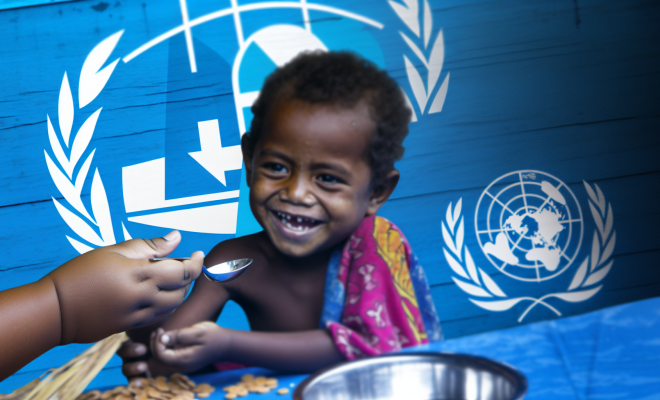
In a decisive move to combat the alarming rise in child malnutrition rates, UNICEF has unveiled a new initiative aimed at enhancing nutrition education among underserved communities in the Pacific region. This effort comes in response to growing concerns that inadequate knowledge about nutrition is significantly contributing to malnutrition, particularly among children under five years old.
The Urgency of Addressing Child Malnutrition
According to UNICEF, malnutrition remains a critical issue affecting millions of children worldwide. In the Pacific, many families struggle to provide balanced diets due to various factors, including limited access to nutrition education and resources. Penjani Kamudoni, the Head of Nutrition at UNICEF Pacific, emphasized that raising awareness and improving knowledge about nutrition is essential in reversing the trend of malnutrition.
Identifying the Gaps
Kamudoni pointed out that many families lack the fundamental understanding necessary to create nutritious meals. This educational gap has been identified as a significant contributor to malnutrition rates, which continue to rise in various communities. The initiative aims to equip families with the knowledge they need to prepare balanced diets that meet the nutritional requirements of their children.
Community Engagement and Support
In collaboration with local governments, UNICEF is planning to implement community-based programs that focus on nutrition education. The Ministry of Health has already taken steps to enhance its community health worker policy, which was revised in 2024 to include expanded roles for health workers in providing nutritional support.
This revision is a significant step towards ensuring that health workers are not only addressing immediate health issues but also promoting long-term nutritional well-being. Community health workers will play a crucial role in disseminating information, conducting workshops, and engaging families in discussions about nutrition.
Toolkit Development for Health Workers
To support community health workers in their new roles, UNICEF is developing a comprehensive toolkit designed to promote better nutrition practices. This toolkit will include resources and guidelines tailored for areas that lack access to professional dieticians. By empowering community health workers with the right tools, UNICEF aims to create a sustainable impact on child nutrition in these communities.
Targeting Vulnerable Populations
The initiative specifically targets communities with the highest rates of malnutrition among children under five years old. According to data, this age group is particularly vulnerable to the effects of malnutrition, which can have lasting consequences on their physical and cognitive development.
UNICEF’s approach recognizes that addressing malnutrition is not solely about food availability but also about education and engagement. By focusing on education, the initiative aims to foster a culture of nutrition awareness that can lead to more informed dietary choices.
Strategies for Improvement
- Education Programs: Implementing community workshops that teach families about nutrition, healthy meal planning, and the importance of a balanced diet.
- Resource Distribution: Providing access to educational materials, including books and pamphlets, that families can reference.
- Partnerships: Collaborating with local organizations, schools, and health entities to expand the reach of nutrition programs.
- Monitoring Progress: Establishing metrics to track improvements in nutrition knowledge and child health outcomes over time.
Long-term Goals and Vision
UNICEF’s initiative is not just a short-term solution; it is part of a broader strategy to improve child health and nutrition in the Pacific region. By focusing on education and community engagement, UNICEF aspires to create a ripple effect that extends beyond individual families to whole communities.
The ultimate goal is to significantly reduce malnutrition rates among children under five, ensuring that every child has the opportunity to thrive and develop to their full potential. With collaborative efforts, targeted education, and consistent support, UNICEF aims to turn the tide on child malnutrition in the Pacific.
A Call to Action
The success of this initiative relies on the collective effort of various stakeholders, including government bodies, non-profit organizations, and community members. As UNICEF embarks on this ambitious project, it highlights the importance of community involvement in fostering a healthier future for children.
With the right tools, education, and support, communities can tackle the issue of malnutrition head-on, paving the way for a brighter, healthier tomorrow for the children of the Pacific.