Agile Satellites: Revolutionizing Military Space Operations
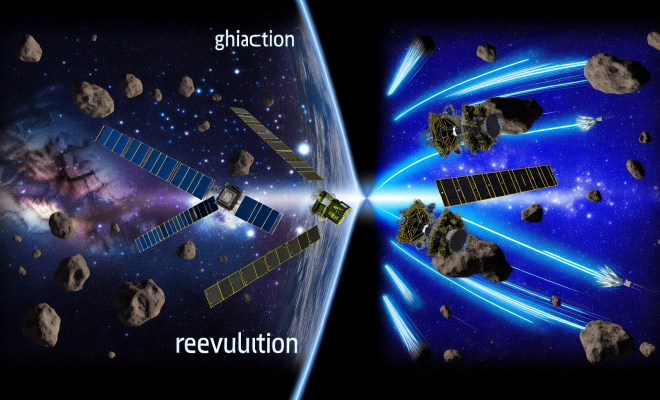
The landscape of military satellite operations is undergoing a profound transformation as modern warfare increasingly incorporates space-based assets. Traditional military satellites, which operate in predictable static orbits, are becoming increasingly vulnerable to adversarial threats. This vulnerability has prompted military leaders to advocate for a revolutionary approach: the deployment of dynamic, maneuverable satellites capable of achieving operational surprise.
The Vulnerability of Static Orbits
For decades, military satellites have played a crucial role in reconnaissance, communication, and navigation. However, their reliance on fixed orbits has rendered them susceptible to detection and targeting by adversaries. Static satellites are predictable; their orbits are well-known, allowing potential threats to develop countermeasures that can neutralize their effectiveness. As military operations expand into the realm of space, the need for enhanced security in satellite operations has never been more critical.
Gen. Stephen Whiting’s Call for Change
In a recent address, Gen. Stephen Whiting, the commander of the United States Space Command, emphasized the pressing need for military satellites to adapt to the evolving threat landscape. Whiting articulated a vision for the future of military space operations, advocating for systems that can maneuver dynamically, thereby complicating adversarial targeting efforts. “We need to be able to achieve operational surprise,” he stated, highlighting the necessity of agility in satellite design and deployment.
Shifting Military Strategy
The shift from static to dynamic satellite systems reflects a broader change in military strategy. As potential adversaries develop advanced technologies and capabilities, the U.S. military recognizes that maintaining a competitive edge requires innovation and adaptability. This change is not merely about enhancing existing capabilities but rethinking the fundamental approach to military operations in space.
Operational Surprise: A Tactical Advantage
Achieving operational surprise in military strategy is paramount. It allows forces to exploit the element of unpredictability, thereby gaining a tactical advantage over opponents. In the context of satellite operations, this means deploying systems that can change orbits, alter trajectories, and adapt to emerging threats in real time. Such capabilities would not only enhance the effectiveness of military operations but also serve as a deterrent against adversaries considering hostile actions.
Technological Innovations Driving Change
The transition to agile satellite systems is being driven by several technological innovations:
- Propulsion Systems: Advances in propulsion technology are enabling satellites to maneuver more effectively. Electric propulsion systems, for instance, offer greater efficiency and the ability to alter orbits with precision.
- Autonomous Navigation: The integration of autonomous navigation systems allows satellites to make real-time decisions based on changing circumstances, enhancing their ability to evade threats.
- Miniaturization: The trend towards smaller, more compact satellites, often referred to as smallsats, facilitates rapid deployment and maneuverability.
- Artificial Intelligence: AI technologies are being employed to analyze data and make split-second decisions, further enhancing the agility of military satellite operations.
Collaborative Efforts and Partnerships
To advance the development of dynamic satellite systems, military organizations are increasingly collaborating with private sector companies and international allies. These partnerships leverage the expertise and innovation found in the commercial space industry, accelerating the pace of technological advancement. The U.S. Space Force, for example, is actively seeking partnerships with commercial satellite operators to build a more resilient and adaptable space architecture.
Challenges to Implementation
Despite the clear advantages of agile satellite systems, several challenges must be addressed to ensure successful implementation:
- Cost: Developing and deploying advanced satellite systems requires significant financial investment. Balancing budget constraints with the need for innovation is a critical challenge.
- Regulatory Hurdles: The regulatory environment for satellite operations can be complex, often hindering the rapid deployment of new technologies.
- Technological Integration: Ensuring that new systems can effectively integrate with existing military infrastructure is essential for operational success.
- Cybersecurity Risks: As satellite systems become more complex and interconnected, they may become more vulnerable to cyber threats. Addressing these risks will be paramount.
The Future of Military Space Operations
As the military continues to evolve its approach to space operations, the demand for agile satellite systems will only increase. The ability to achieve operational surprise through dynamic maneuverability will enhance military effectiveness and deter potential adversaries. Military leaders, like Gen. Whiting, are at the forefront of this strategic shift, advocating for innovation and adaptability in the face of emerging threats.
Global Implications
The implications of these developments extend beyond U.S. military operations. As nations around the world recognize the strategic importance of space, the race for advanced satellite capabilities is intensifying. Countries such as China and Russia are investing heavily in their satellite programs, aiming to achieve similar dynamic capabilities. This global competition underscores the need for the U.S. to maintain its technological edge in space.
Conclusion
The future of military satellite operations lies in the ability to adapt and innovate. As traditional static satellites become increasingly vulnerable, the shift towards dynamic, maneuverable satellites represents a critical evolution in military strategy. With leaders like Gen. Stephen Whiting championing this change, the U.S. military is poised to redefine its approach to space operations, enhancing its security and operational effectiveness in an increasingly complex global landscape.