The Tech Edvocate

Top Menu

  • Advertisement
  • Apps
  • Home Page
  • Home Page Five (No Sidebar)
  • Home Page Four
  • Home Page Three
  • Home Page Two
  • Home Tech2
  • Icons [No Sidebar]
  • Left Sidbear Page
  • Lynch Educational Consulting
  • My Account
  • My Speaking Page
  • Newsletter Sign Up Confirmation
  • Newsletter Unsubscription
  • Our Brands
  • Page Example
  • Privacy Policy
  • Protected Content
  • Register
  • Request a Product Review
  • Shop
  • Shortcodes Examples
  • Signup
  • Start Here
    • Governance
    • Careers
    • Contact Us
  • Terms and Conditions
  • The Edvocate
  • The Tech Edvocate Product Guide
  • Topics
  • Write For Us
  • Advertise

Main Menu

  • Start Here
    • Our Brands
    • Governance
      • Lynch Educational Consulting, LLC.
      • Dr. Lynch’s Personal Website
      • Careers
    • Write For Us
    • The Tech Edvocate Product Guide
    • Contact Us
    • Books
    • Edupedia
    • Post a Job
    • The Edvocate Podcast
    • Terms and Conditions
    • Privacy Policy
  • Topics
    • Assistive Technology
    • Child Development Tech
    • Early Childhood & K-12 EdTech
    • EdTech Futures
    • EdTech News
    • EdTech Policy & Reform
    • EdTech Startups & Businesses
    • Higher Education EdTech
    • Online Learning & eLearning
    • Parent & Family Tech
    • Personalized Learning
    • Product Reviews
  • Advertise
  • Tech Edvocate Awards
  • The Edvocate
  • Pedagogue
  • School Ratings

logo

The Tech Edvocate

  • Start Here
    • Our Brands
    • Governance
      • Lynch Educational Consulting, LLC.
      • Dr. Lynch’s Personal Website
        • My Speaking Page
      • Careers
    • Write For Us
    • The Tech Edvocate Product Guide
    • Contact Us
    • Books
    • Edupedia
    • Post a Job
    • The Edvocate Podcast
    • Terms and Conditions
    • Privacy Policy
  • Topics
    • Assistive Technology
    • Child Development Tech
    • Early Childhood & K-12 EdTech
    • EdTech Futures
    • EdTech News
    • EdTech Policy & Reform
    • EdTech Startups & Businesses
    • Higher Education EdTech
    • Online Learning & eLearning
    • Parent & Family Tech
    • Personalized Learning
    • Product Reviews
  • Advertise
  • Tech Edvocate Awards
  • The Edvocate
  • Pedagogue
  • School Ratings
  • Kazino zīmolu un spēļu logotipu sadarbība plašās digitālajās bibliotēkās

  • Kopu formāts un tradicionālās izmaksu līnijas slotos

  • Komiksová estetika mení tón prezentácie automatových hier

  • Tipogrāfija kā tematisko spēļu automātu vizuālās identitātes daļa

  • Bonusa kārtu attīstība mūsdienu spēļu automātu stāstījumā

  • Kā turpinājumi saglabā spēles identitāti, mainot tās mehāniku

  • Kā tiešsaistes kazino piedāvā pazīstamas spēles līdzās jaunākajiem izlaidumiem

  • Kā mobilo ekrānu portreta izkārtojums mainīja spēļu automātu kompozīciju

  • Kazino spēļu vadības elementu un informācijas izkārtojuma pielāgošana dažādiem ekrāniem

  • Kā māksla un mehānika veido spēļu automātu portfeļa atšķirības

Digital & Mobile Technology
Home›Digital & Mobile Technology›Facts Vs. Dimensions Tables in a Database

Facts Vs. Dimensions Tables in a Database
By Matthew Lynch
July 4, 2023
0
Spread the love

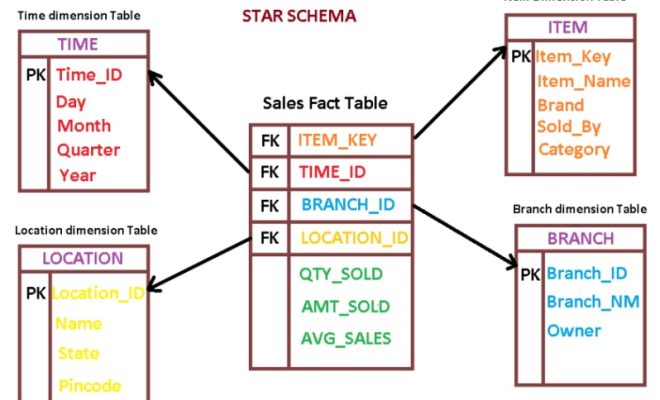
In a database, the two most common types of tables are facts and dimensions tables. Understanding the difference between these two types of tables is essential for designing an effective database schema.

Facts tables contain the measurable data in a database. They represent the numerical values, or “facts,” that are being analyzed. For example, in a sales database, the facts table might contain columns for the quantity sold, the price per unit, and the total revenue for each sale. Facts tables are often large and contain millions or even billions of rows of data.

Dimensions tables, on the other hand, contain descriptive information about the facts in the database. They are used to provide context to the data in the facts table. For example, in a sales database, the dimensions table might contain columns for the date of the sale, the salesperson who made the sale, and the product that was sold. Dimensions tables are typically smaller than facts tables and contain fewer rows of data.

One of the key benefits of using a dimensional model, which is based on facts and dimensions tables, is that it allows for flexible and efficient querying of the data. By separating the descriptive information from the numerical data, queries can be run more quickly and efficiently. This is because the database can use indexing and other optimization techniques to search the smaller dimensions tables for the desired information, rather than having to scan the entire facts table.

Another benefit of using facts and dimensions tables is that it makes the database easier to understand and maintain. By separating the data into logical groupings, it becomes easier to visualize the relationships between the data and to identify any data quality issues that may exist.

In summary, facts and dimensions tables are two essential components of a dimensional model in a database. Facts tables contain the measurable data, while dimensions tables provide descriptive information about that data. By separating the data in this way, it becomes easier to query and maintain the database, and to gain insights from the data that might not be apparent otherwise.


Previous Article

The Measurements of a Mini Business Card

Next Article

Correct Poor White Balance in Photos With ...

Matthew Lynch

Related articles More from author

  • Digital & Mobile Technology

    Best Software and Apps for Editing RAW Photos

    June 21, 2023
    By Matthew Lynch
  • Digital & Mobile Technology

    How to Kick People Off Your Wi-Fi Network

    April 28, 2023
    By Matthew Lynch
  • Digital & Mobile Technology

    How to Cancel Your HBO Max Subscription Fast

    July 6, 2023
    By Matthew Lynch
  • Digital & Mobile Technology

    How to Download and Install OpenVR Advanced Settings

    June 5, 2023
    By Matthew Lynch
  • Digital & Mobile Technology

    Best Soundboard Apps for Free Sound Collections

    June 14, 2023
    By Matthew Lynch
  • Digital & Mobile Technology

    DoorDash vs. UberEats vs. GrubHub: Are These Food Delivery Apps Safe?

    June 6, 2023
    By Matthew Lynch

Search

Login & Registration

  • Log in
  • Entries feed
  • Comments feed
  • WordPress.org

Newsletter

Signup for The Tech Edvocate Newsletter and have the latest in EdTech news and opinion delivered to your email address!

About Us

Since technology is not going anywhere and does more good than harm, adapting is the best course of action. That is where The Tech Edvocate comes in. We plan to cover the PreK-12 and Higher Education EdTech sectors and provide our readers with the latest news and opinion on the subject. From time to time, I will invite other voices to weigh in on important issues in EdTech. We hope to provide a well-rounded, multi-faceted look at the past, present, the future of EdTech in the US and internationally.

We started this journey back in June 2016, and we plan to continue it for many more years to come. I hope that you will join us in this discussion of the past, present and future of EdTech and lend your own insight to the issues that are discussed.

Newsletter

Signup for The Tech Edvocate Newsletter and have the latest in EdTech news and opinion delivered to your email address!

Contact Us

The Tech Edvocate
910 Goddin Street
Richmond, VA 23231
(601) 630-5238
[email protected]

Copyright © 2026 Matthew Lynch. All rights reserved.