Exploring the Future: Nissan’s Autonomous Revolution in Tokyo
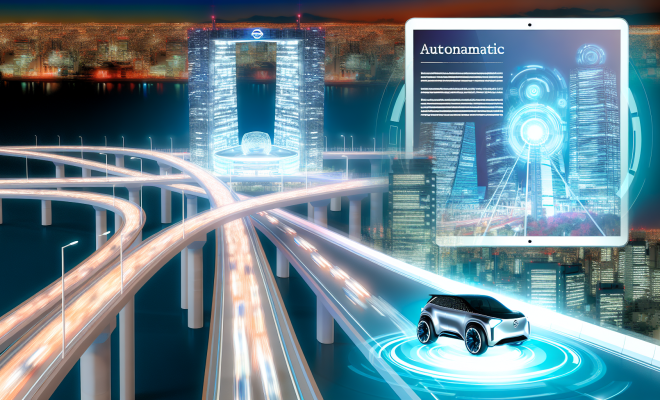
In a groundbreaking demonstration of autonomous driving technology, Nissan has unveiled its next-generation ProPilot advanced driver assistance system in the bustling metropolis of Tokyo. On April 20, 2026, MotorTrend’s Alisa Priddle had the unique opportunity to ride in a Nissan Ariya prototype, showcasing the automaker’s ambitious vision for hands-free, point-to-point navigation.
The Leap to Level 2++ and Beyond
The Nissan Ariya prototype represents a significant step forward in the realm of self-driving technology. While the vehicle operates at what is classified as Level 2++, it is equipped with hardware and software capable of Level 4 autonomy. This capability is made possible by a sophisticated sensor suite that includes lidar, radar, and cameras, enabling the vehicle to navigate the complex urban landscape of Tokyo with relative ease.
Understanding Levels of Autonomy
To appreciate the significance of Nissan’s advancements, it is essential to understand the SAE (Society of Automotive Engineers) levels of driving automation:
- Level 0: No automation. The human driver is responsible for all aspects of driving.
- Level 1: Driver assistance. The vehicle can control either steering or acceleration/deceleration.
- Level 2: Partial automation. The vehicle can control both steering and acceleration/deceleration, but the driver must remain engaged.
- Level 3: Conditional automation. The vehicle can handle all aspects of driving in specific conditions, but the driver must be ready to intervene.
- Level 4: High automation. The vehicle can operate independently in most environments, with no driver intervention necessary in defined areas.
- Level 5: Full automation. The vehicle can operate under all conditions without human intervention.
Nissan’s ProPilot system, while currently classified as Level 2++, operates on the cusp of Level 4, preparing the groundwork for future robotaxi fleets. This distinction is crucial, as it signifies that the vehicle can navigate autonomously under certain conditions while still requiring driver oversight.
Navigating the Urban Jungle
Tokyo, with its dense traffic, intricate roadways, and myriad pedestrians, presents a formidable challenge for any autonomous vehicle. However, during Priddle’s ride, the Nissan Ariya demonstrated impressive capabilities. With only the destination input required, the vehicle seamlessly navigated through heavy traffic, executed turns, and responded to the dynamic environment without human intervention.
Trifecta Sensor Approach
Nissan engineers emphasized the importance of their trifecta sensor approach, combining lidar, radar, and camera technology. This integration enhances the vehicle’s situational awareness and allows it to make informed decisions in real time:
- Lidar: Light Detection and Ranging technology provides precise distance measurements and creates detailed 3D maps of the environment.
- Radar: Radio Detection and Ranging technology aids in detecting the speed and distance of surrounding objects, particularly useful in inclement weather conditions.
- Cameras: Visual sensors offer color and shape recognition, crucial for identifying traffic signals, road signs, and other vehicles.
This multifaceted sensor suite not only enhances safety but also positions Nissan to lead in the future of autonomous driving technologies.
Future Implications for Robotaxi Fleets
As cities worldwide grapple with the challenges of urban mobility, the potential for autonomous vehicles to transform transportation is immense. Nissan’s ProPilot system is a crucial piece of this puzzle, positioning the company for future developments in robotaxi fleets. The efficiency of hands-free, point-to-point navigation can significantly reduce congestion and improve the overall urban experience.
The Urban Mobility Challenge
Urban areas are facing unprecedented challenges related to traffic congestion, pollution, and the need for efficient public transportation solutions. Autonomous vehicles, particularly those designed for ride-sharing and robotaxi services, could play a pivotal role in alleviating these issues:
- Reduced Traffic Congestion: Autonomous vehicles can optimize routes and minimize delays, leading to smoother traffic flow.
- Lower Emissions: Electric autonomous vehicles contribute to reducing greenhouse gas emissions, particularly in densely populated urban areas.
- Increased Accessibility: Robotaxis can provide essential transportation services to individuals who do not have access to traditional vehicles.
Nissan’s commitment to advancing its autonomous technology through real-world testing in urban environments like Tokyo underscores its dedication to addressing these challenges head-on.
Challenges Ahead for Self-Driving Technology
Despite the promising capabilities demonstrated by Nissan’s self-driving test car, several challenges must be overcome before full autonomy can be realized:
Regulatory Hurdles
The regulatory landscape for autonomous vehicles is still evolving. Governments must establish clear guidelines and safety standards to ensure the safe integration of self-driving cars into existing transportation systems.
Public Acceptance
Public perception of self-driving technology plays a critical role in its adoption. Building trust in autonomous vehicles will require extensive public education and transparency regarding safety measures and operational capabilities.
Technological Limitations
While Nissan’s ProPilot system demonstrates impressive capabilities, ongoing advancements in artificial intelligence, machine learning, and sensor technology will be necessary to achieve full autonomy in all driving conditions.
A Glimpse into the Future
Nissan’s hands-free test drive through Tokyo is not just a demonstration of technology but a glimpse into the future of transportation. As the automotive industry continues to innovate, the integration of autonomous vehicles into urban landscapes could redefine mobility, making it safer, more efficient, and accessible for all.
Conclusion
The journey towards fully autonomous driving is well underway, and Nissan is at the forefront of this revolution. With its advanced ProPilot system and a commitment to real-world testing, Nissan is paving the way for a future where self-driving vehicles become a common sight on our roads. As cities adapt to the changing landscape of transportation, the potential for autonomous technology to reshape our urban environments is limitless.
As we continue to witness advancements in this field, the promise of hands-free navigation and robotaxi fleets becomes increasingly tangible, heralding a new era of mobility that could change the way we live, work, and interact with our surroundings.